Wednesday, 8 July 2026

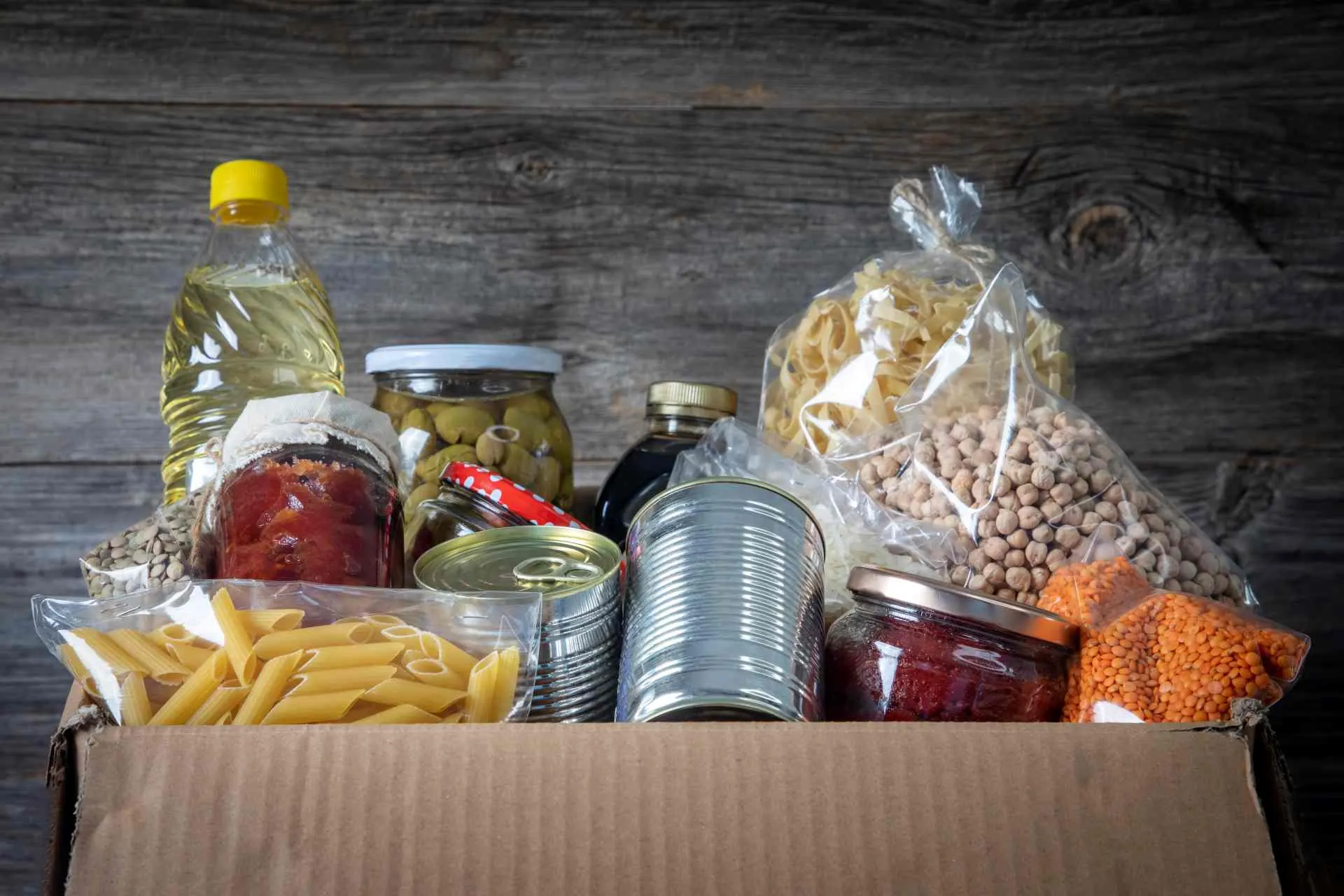
Comprehensive documentation requirements aim to strengthen food safety while raising the regulatory burden on global exporters
South Africa has reinforced its import certification regime for food and agricultural products by introducing a comprehensive framework that strengthens veterinary, phytosanitary and product certification requirements across animal products, plant commodities and processed foods. The updated framework significantly tightens documentation standards, disease-free attestations and traceability requirements, signalling a more rigorous compliance environment for exporters seeking access to one of Africa’s largest food import markets.
The revised certification system covers a broad spectrum of commodities, including dairy products, eggs, meat, pet food, hides and skins, wool, pharmaceutical-grade bile salts, live animals, plants and plant products, as well as alcoholic beverages. Each commodity category is now subject to detailed health declarations, processing certifications and official government attestations issued by competent U.S. authorities such as the Animal and Plant Health Inspection Service (APHIS), Food Safety and Inspection Service (FSIS) and the Food and Drug Administration (FDA).
One of the strongest themes running through the new framework is disease prevention. Export certificates for dairy, eggs and poultry products require comprehensive declarations confirming freedom from major transboundary animal diseases, including highly pathogenic avian influenza (HPAI) and Newcastle disease, while processed dairy products must undergo prescribed ultra-high-temperature treatment, pasteurisation and acidification procedures. Egg products must also be pasteurised to eliminate harmful microorganisms, including Salmonella, before export.
Animal-derived products face equally stringent sanitary requirements. Raw wool, mohair and hides must originate from regions free of diseases such as foot-and-mouth disease (FMD), anthrax, rinderpest, sheep pox and East Coast fever, while exporters must certify official veterinary supervision, approved processing facilities and new packaging materials to minimise contamination risks during international trade.
For meat exports, South Africa has strengthened food safety requirements by aligning import conditions with internationally recognised hazard analysis and preventive control systems. Poultry meat must originate from HPAI-free and Newcastle disease-free zones, with birds participating in recognised disease-monitoring programmes. Pork exports must additionally certify freedom from African swine fever, classical swine fever and swine vesicular disease, alongside mandatory freezing treatments to eliminate Trichinella parasites. Beef shipments must demonstrate ante-mortem and post-mortem inspection while complying with HACCP-based production systems that meet South African food safety legislation.
The certification framework extends beyond food safety to pharmaceutical and feed products. Bile salts intended for pharmaceutical applications must originate from clinically healthy cattle raised in the United States, Canada or Mexico, undergo heat treatment, solvent extraction and vacuum drying, and remain protected from contamination by bovine spongiform encephalopathy (BSE) risk materials. Pet food exports must be produced in USDA-approved facilities, comply with microbiological standards for Salmonella and Enterobacteriaceae, and source animal ingredients only from approved origins.
Plant and plant product exports are also subject to tighter phytosanitary oversight. Every consignment must be accompanied by an official phytosanitary certificate confirming inspection, freedom from quarantine pests and compliance with import permit conditions, while any required treatments and additional declarations must be completed before shipment. Liquor imports must similarly satisfy prescribed quality standards and product classification requirements under dedicated import certification rules.
Perhaps the most significant procedural change is South Africa’s insistence on original government-issued certificates accompanying every shipment. Veterinary health certificates and phytosanitary certificates cannot be reused across multiple consignments, supplier declarations are not accepted as substitutes, state-issued export certificates are rejected, and authorities will not waive mandatory certification requirements. Original documents must accompany consignments at the time of entry, reinforcing traceability and regulatory accountability throughout the import process. Only liquor import certificates may be used for multiple shipments, provided the product composition, packaging and labelling remain unchanged.
The regulations also tighten pre-shipment compliance. Export certificates must be endorsed by competent U.S. authorities before consignments leave the country, as certificates signed after shipment will be rejected. Import permits for both animal and plant products remain mandatory and must specify product quantities, origin and designated ports of entry. In addition, South African customs may require a Certificate of Origin (Form DA-59) for selected food products, further strengthening product traceability across international supply chains.
While South Africa continues to recognise international certification systems for organic products, the country does not operate government certification programmes for organic, halal or kosher foods. Instead, importers must be able to substantiate such claims using recognised certification bodies. Draft regulations under review could introduce additional documentation requirements for organic, halal and kosher products, signalling continued movement toward stronger verification of food label claims.
From a trade perspective, the revised certification framework reflects South Africa’s growing emphasis on biosecurity, food safety and supply chain integrity. Although the measures are designed to reduce animal and plant health risks, they also raise compliance costs for exporters by expanding documentation, inspection and certification obligations. Companies exporting food and agricultural products into South Africa will need stronger coordination with regulatory authorities, accredited certification agencies and supply chain partners to ensure uninterrupted market access in an increasingly compliance-driven trading environment.
— Suchetana Choudhury (suchetana.choudhuri@agrospectrumindia.com)