Wednesday, 8 July 2026

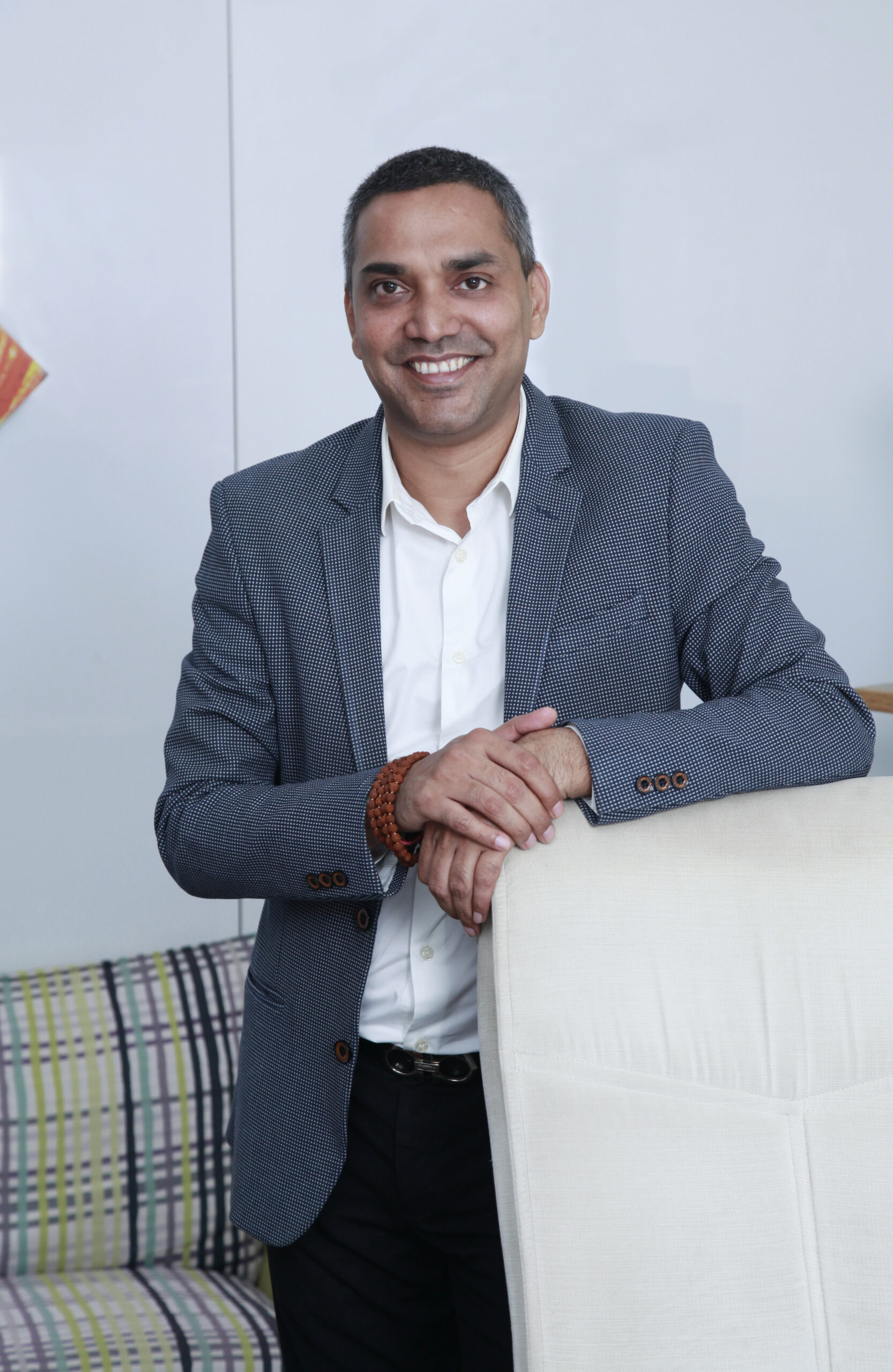
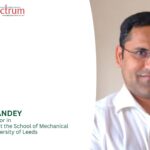
In an exclusive interview with AgroSpectrum, Ashish Khandelwal, Director, Leads Genetics, explains how India’s first large-scale indigenous embryo transfer programme is moving beyond pilot projects to build a scalable livestock genetics ecosystem, improve per-cow productivity, strengthen Gir and Sahiwal breeds, and position India as a global hub for advanced dairy genetics
Leads Genetics’ indigenous embryo transfer programme is more than a technological milestone—it signals India’s growing ambition to build world-class bovine genetics through domestic capabilities and global scientific collaboration. By combining advanced IVF, genomics and embryo transfer technologies with indigenous breeds such as Gir and Sahiwal, the initiative addresses the long-standing challenge of improving dairy productivity without compromising genetic resilience. The partnership with Brazil’s Embrapa also reflects an important shift towards international knowledge exchange in livestock breeding. AgroSpectrum has further explored the significance of this breakthrough through an exclusive interview with Ashish Khandelwal, Director, Leads Genetics, on the programme’s scalability, commercial viability and its long-term impact on India’s dairy economy. The real measure of success, however, will lie in translating these laboratory breakthroughs into scalable, affordable solutions that improve farmer incomes and strengthen India’s dairy value chain.
Defining a National Milestone: This is being positioned as India’s first large-scale indigenous embryo transfer programme—what makes this breakthrough structurally different from previous efforts in cattle breeding and genetics?
Leads Genetics has break through success in genome technology by setting up an integrated R&D centre for Indigenous Cattle Genetics & Genomics in Bareilly. It is not just a scientific achievement, but as a systemic breakthrough. For long, genome technology or any efforts in embryo transfer were largely government initiatives or were in a very limited scale. For the first time, Leads Genetics has brought three things together, a private-sector-led Centre of Excellence with world-class IVF, Pathology, and Genomics laboratories, a structured programme with success metrics, and a tripartite international collaboration involving Embrapa (Brazil’s state-owned agricultural research institution under MAPA), Fazenda Floresta and Leads Genetics.
The results are for everyone to see. In the first phase we have already witnessed successful IVF treatment on 116 cows with a 70 per cent success rate. In the second phase we have expanded this to 160 Gir, Sahiwal, and HF cross cows. What started as a pilot model has become a scalable model.
From Pilot to Scale. Achieving a 70 per cent IVF success rate at this scale is significant—what were the key scientific, operational, or infrastructure factors that enabled this level of efficiency?
The scale of IVF success is a defining moment for Indian dairy. This was made possible due to advancements in reproductive technologies like IVF and embryo transfer. This will accelerate India’s journey toward becoming a global leader in per-cow dairy productivity and livestock genetics. However, there were some key challenges. The first one was donor selection. We ensured high-genetic-merit Gir donors, including superior germplasm imported from Brazil, were only used. This gave us a strong genetic foundation to work with.
The second challenge was that of having a world class laboratory infrastructure. For this we created an Integrated R&D Centre right from scratch. It had the state-of-the-art IVF-ET, Pathology, and Genomics capabilities. Also, the equipment and protocols had to meet international standards, not just Indian benchmarks. The third was operational discipline. We have to ensure synchronised protocols across hormone treatments, OPU (Ovum Pick-Up) procedures, fertilisation windows, and embryo transfer timing. Any deviation would have an adverse impact on the success.
Economics of Genetic Transformation. How does embryo transfer at scale translate into tangible economic gains for dairy farmers, particularly in terms of yield improvement and return on investment?
The economics of this successful program is at two levels. The first one is at an individual farmer level and the second one is at enterprise level. At an individual farmer level, the primary value will be in the form of step-change in milk yield per animal. Farmers can expect 3X increase in milk yield with our breeds. However, the actual outcome would depend on farm management and ecosystem support. A margin of 50 per cent -70 per cent increase in yield would be of great economic importance for farmers. Higher-genetic-merit Gir and Sahiwal cattle are known for their disease resistance and easily adapt to Indian climatic conditions compared to exotic crossbreeds.
As a brand we are conscious in making sure that the economics improve not both revenue and cost side as well. We have to democratise access to large farms and as well as small farmer through cooperative models and government partnerships.
Indigenous Breeds vs. Crossbreeding Debate. With a strong focus on Gir and other indigenous breeds, how do you see this initiative reshaping the long-standing debate between indigenous genetics and high-yield crossbreeds?
Historical data tells us that the crossbreeding route, particularly with Holstein Friesian genetics, has given us short-term productivity but it came at a cost like increasing vulnerability to tropical diseases, heat stress, declining fertility rates, and a gradual erosion of our indigenous breed population. However, we have seen that Gir and Sahiwal, Red Sindhi breeds carry genetic traits that have been shaped by thousands of years of evolution in the Indian subcontinent. This is a valuable asset that cannot be replaced. Our IVF and embryo transfer technology allows us to unlock the productivity potential of indigenous breeds scientifically. There was no doubt on whether our breeds could be productive, it was always about whether we had the technology to realise our potential.
Technology as a Force Multiplier. To what extent can IVF and embryo transfer realistically accelerate India’s per-cow productivity, and what are the bottlenecks to scaling this nationwide?
There is no doubt that our IVF and embryo transfer will boost India’s per-cow productivity is enormous. But we must be mindful of the challenges and the opportunities. Natural breeding produces one calf per cow per year but IVF-based OPU-ET can potentially yield 20–30 embryos per superior donor annually. This a huge opportunity for us. The compounding impact on national herd quality would be transformative.
The main challenge is having skilled veterinary manpower, cold chain and logistics infrastructure for embryo transport, and recipient cow management. All these are critical for transfer success and it requires a framework for armer education and last-mile support. At Leads Genetics we see ourselves as change agent not just creating technology but an entire system through training and partnerships.
Role of Global Collaboration. This programme involves collaboration with Brazil’s Embrapa—how critical is international scientific cooperation in advancing India’s livestock genetics ecosystem?
The scientific knowledge transferred through this collaboration was as valuable as any piece of equipment we installed. India and Brazil share similar agro-climatic conditions and also a common ancestry in Zebu cattle genetics. Being Brazil’s state-owned agricultural research institution, Embrapa represents decades of scientific work on Gir and Zebu breeds. This has transformed Brazil from a net importer of genetics to a global exporter. The partnership reflects a strategic significance of India’s livestock sector and the credibility we have built. International scientific cooperation of this nature is unprecedented in India.
Infrastructure and Replicability. The Centre of Excellence plays a central role—what investments and ecosystem support are required to replicate this model across other dairy clusters in India?
The Centre of Excellence in Bareilly is not just a significant investment but reflects our firm commitment towards building physical infrastructure, scientific talent, and building protocols that are suited for Indian conditions. To replicate this across key states like Gujarat, Punjab, Rajasthan, or Maharashtra requires a carefully crafted integration programme. India is a diverse country and different regions have different breed priorities, different agro-climatic conditions, and different dairy ecosystem structures. It cannot be copied it has to adapted.
However, what can be done is standardising things like laboratory protocols, training curriculum for veterinary staff and creating a data system for tracking outcomes. Also, one key factor would be government support through National Livestock Mission and Rashtriya Gokul Mission.
Long-Term Vision for India’s Dairy Sector. Looking ahead, how do you see advanced reproductive technologies shaping India’s position in the global dairy and livestock genetics landscape over the next decade?
Our Centre of Excellence can create a paradigm shift in India’s dairy sector. Strangely, we are the world’s largest milk producer but still our per-cow productivity ranks among the lowest globally. We have to solve this over the next decade. Advanced reproductive technology is the most powerful lever for us. We have to build a nationally networked livestock genetics infrastructure.
Also, India has the potential to become a significant player in the global livestock genetics market. Our indigenous breeds like Gir and Sahiwal are now attracting interests from Africa, Southeast Asia, and the Middle East. We are on the right track and India could transition from being an importer of livestock genetics knowledge to being a credible exporter of both genetics and expertise. This is our vision as well.
— Suchetana Choudhury (suchetana.choudhuri@agrospectrumindia.com)