Wednesday, 8 July 2026

Updated national standard strengthens quality assurance, product testing and labelling requirements to improve food safety and trade confidence
China is set to significantly tighten food safety oversight for nuts and edible seeds with the introduction of a comprehensive national standard that strengthens quality specifications, microbial safety, contaminant controls and labelling requirements across one of the country’s fastest-growing food categories. The revised framework is expected to reshape manufacturing practices, quality assurance protocols and export compliance for suppliers serving the world’s second-largest food market.
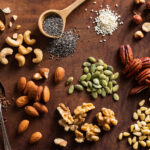
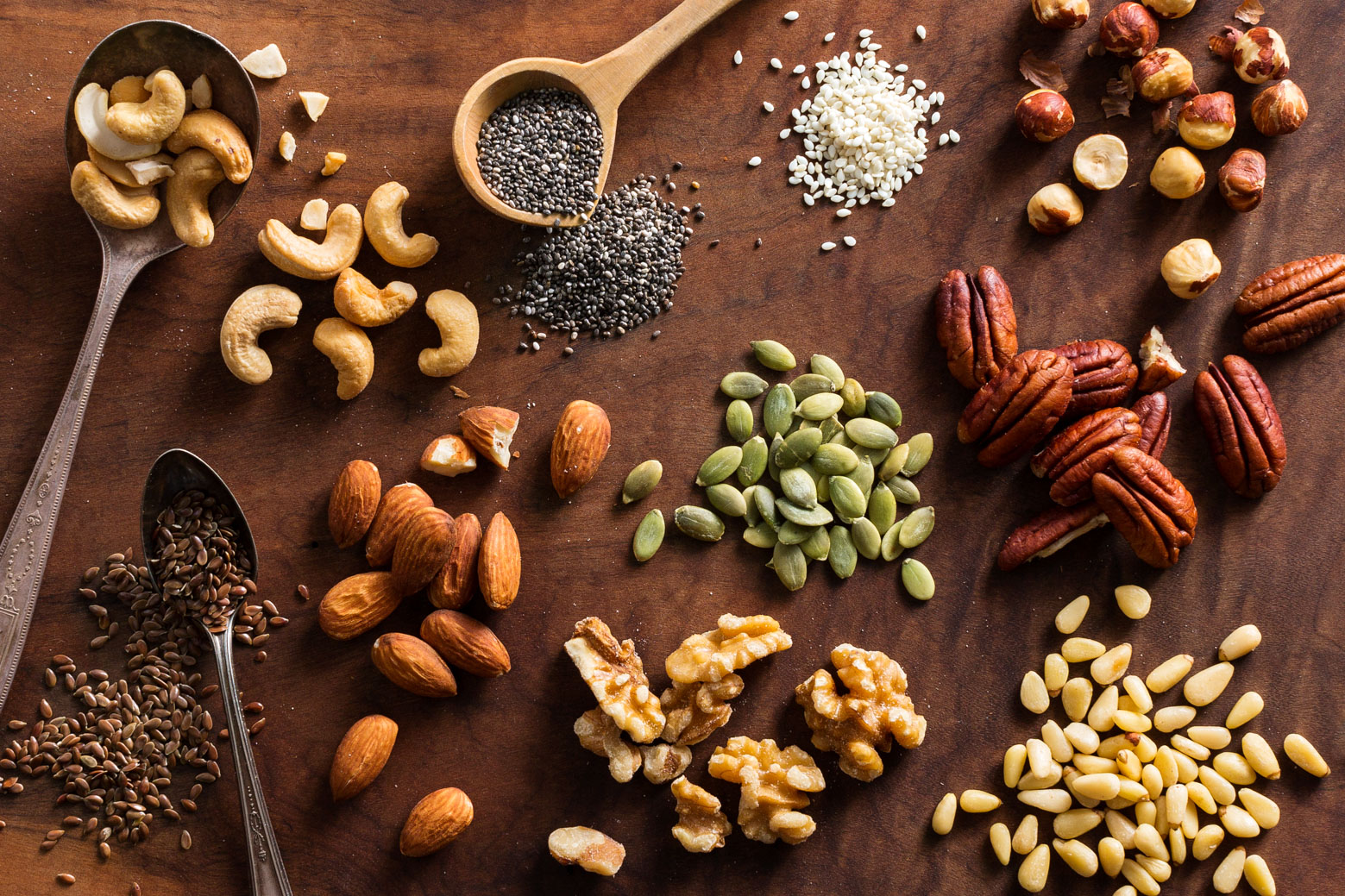
The new standard broadens regulatory coverage by establishing clear definitions for edible seeds, nut kernels and processed nut and seed foods, while categorising products into raw-dried and cooked variants based on processing methods. The scope extends across a wide range of products including sunflower, watermelon and pumpkin seeds, peanuts, soybeans, chickpeas, sesame, flaxseed, chia, quinoa, lotus seeds, almonds, pistachios, cashews, walnuts, macadamia nuts and other edible nuts and seeds.
A key feature of the revised standard is its sharper focus on product quality through stricter sensory specifications. Manufacturers must ensure products retain their natural colour, flavour and appearance while remaining free from rancidity, off-odours and visible foreign matter. The regulation also introduces explicit limits on mouldy kernels—a major food safety concern in nut products. In-shell products are permitted a maximum mouldy kernel ratio of 2.0 per cent, while shelled products face a far stricter threshold of 0.5 per cent, reflecting the higher quality expectations for ready-to-consume products.
The standard also substantially strengthens chemical quality requirements by tightening oxidation limits, an important indicator of freshness and shelf life. Raw nuts must maintain peroxide values below 0.08 g/100 g, while cooked seed products are subject to limits ranging between 0.40 and 0.80 g/100 g depending on the product category. Acid values are capped at 3 mg KOH/g for products containing more than five per cent fat, signalling greater emphasis on preventing quality deterioration during storage and distribution.
Beyond product quality, the revised framework reinforces food safety through mandatory compliance with China’s existing contaminant, mycotoxin and pesticide residue standards. Limits for heavy metals and other contaminants must comply with GB 2762, mycotoxin levels with GB 2761, while pesticide residues in raw-dried nut and seed products must satisfy GB 2763 and related national regulations. This integrated regulatory approach aligns multiple food safety standards into a unified compliance framework for manufacturers.
Microbiological controls have also been strengthened for ready-to-eat products. Pre-packaged nuts and seeds must comply with pathogen requirements under GB 29921, while additional microbiological limits have been specified for coliform bacteria and mould. Coliform counts are limited to 10 CFU/g, while roasted products are subject to mould limits of 25 CFU/g, reinforcing stricter hygiene standards throughout processing and packaging operations. Bulk ready-to-eat products must comply with GB 31607, further expanding food safety oversight across multiple distribution formats.
The revised regulation also introduces enhanced labelling obligations. Products requiring refrigerated transportation must clearly specify storage conditions, while ready-to-eat raw-dried products must carry a prominent “ready-to-eat” declaration. These provisions are designed to improve consumer awareness while reducing risks associated with improper handling and storage across the retail chain.
To improve consistency in quality inspection, the standard establishes a detailed sampling methodology for detecting mouldy kernels. Depending on kernel size, inspectors must collect samples ranging from 200 grams to five kilograms, followed by examination of 200 kernels using prescribed inspection procedures. The protocol covers both in-shell and shelled products and standardises quality verification across the industry, reducing variability in compliance testing.
From an industry perspective, the revised requirements signal a broader shift in China’s food safety policy—from end-product testing towards tighter process control, traceability and preventive quality management. Domestic processors will likely need to invest in improved raw material sourcing, storage systems, moisture control, laboratory testing and quality assurance programmes. Exporters targeting the Chinese market may also face higher compliance costs but benefit from clearer technical requirements and greater regulatory predictability.
As China continues to strengthen its food safety architecture, the new standard is expected to raise quality benchmarks across the global nut and seed industry. Suppliers capable of consistently meeting stricter safety, labelling and quality specifications are likely to gain a competitive advantage in one of the world’s largest and fastest-growing markets for processed food products.
— Suchetana Choudhury (suchetana.choudhuri@agrospectrumindia.com)