Thursday, 16 July 2026

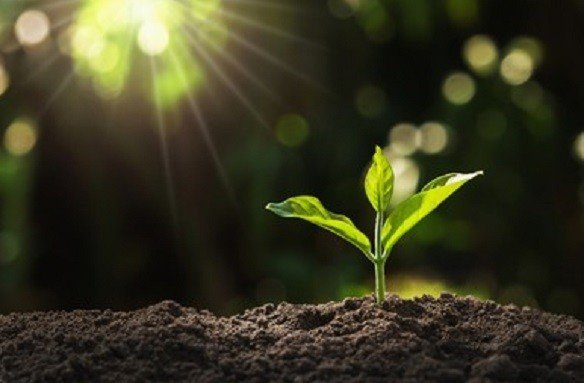
According to a study published by Cambridge plant scientists, the genetic basis of the circadian system is well understood and there are improved genetic tools to modify it, the clock should be exploited in agriculture — a process they describe as ’chronoculture’ – to contribute to global food security.
A plant’s circadian clock plays an important role in regulating many of the functions that affect yield including flowering time, photosynthesis, and water use. The genes controlling the circadian rhythm are similar in all major crop plants – making them a potential target for crop breeders wishing to gain more control over these functions.
The simplest and easiest approach, say the scientists, would be to use knowledge of a crop’s internal clock to apply water, herbicides or pesticides at the most effective time of day or night. Low-cost technologies including drones and sensors could collect round-the-clock information about plant crop growth and health. Farmers could then receive advice about the best time to apply treatments to their specific crop, for their precise location and weather conditions.
A third potential application of chronoculture is post-harvest when plants slowly deteriorate and continue to be eaten by pests. There is good evidence that pest damage can be reduced by maintaining the internal rhythms of the harvested plants.