Wednesday, 8 July 2026

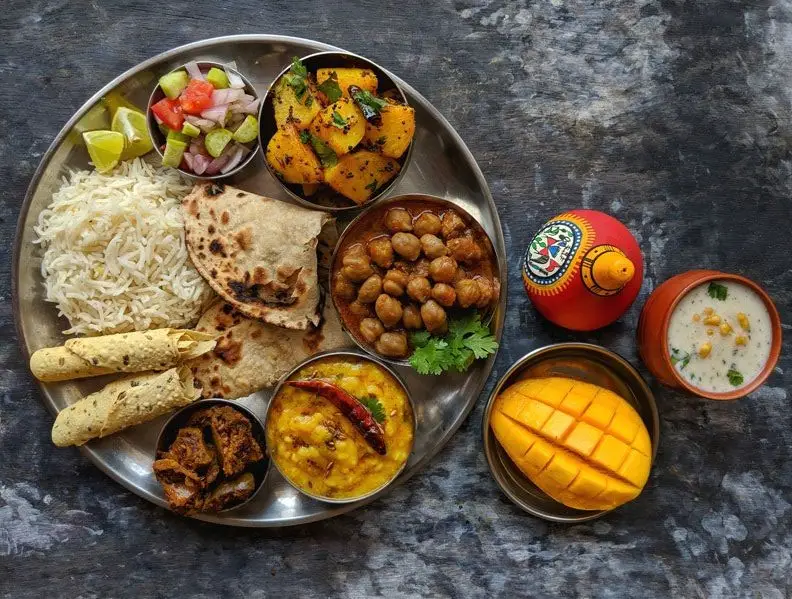
Vegetarian thali cost rises 5 per cent year-on-year, while non-vegetarian thali becomes 6 per cent costlier amid supply disruptions and weather-led inflation
The cost of preparing a home-cooked meal continued to climb in June 2026, with higher prices of tomatoes, onions, edible oils and liquefied petroleum gas (LPG) pushing up household food expenditure despite a sharp correction in potato prices. According to the latest analysis of home-cooked thali costs across north, south, east and west India, the cost of a vegetarian thali increased 5 per cent year-on-year, while a non-vegetarian thali became 6 per cent more expensive compared with June 2025.

“The increase in thali costs was driven by higher prices of tomatoes, onions, vegetable oils and LPG cylinders, which more than offset the decline in potato prices,” said Pushan Sharma, Director, CRISIL Intelligence. The thali index tracks the cost of preparing a standard meal at home by monitoring the prices of cereals, pulses, vegetables, spices, edible oils, broilers and cooking gas, offering a realistic measure of changes in household food expenditure.
Tomatoes, LPG and Edible Oils Lead Price Surge
Among all food items, tomatoes recorded the sharpest increase, with prices rising 31 per cent year-on-year to Rs 42 per kg in June 2026 from Rs 32 per kg a year earlier. Delayed and lower summer crop planting caused by unusually high temperatures during February and March significantly reduced market arrivals. “Tomato prices remained elevated because of delayed summer crop planting, while edible oil and LPG prices continued to stay high amid global supply disruptions linked to the West Asia conflict,” Sharma said. Onion prices rose 2 per cent year-on-year as higher-priced stored rabi stocks entered wholesale markets. Vegetable oil and LPG cylinder prices also increased around 10 per cent during the period following disruptions in global supply chains.
However, the increase in household food costs was partially cushioned by a 14 per cent decline in potato prices following fresh rabi arrivals.
Poultry Prices Lift Non-Vegetarian Thali Costs
The cost of a non-vegetarian thali increased primarily because of higher broiler prices, which account for nearly half of its total cost. Broiler prices are estimated to have risen 7 per cent year-on-year as extreme summer temperatures increased bird mortality, slowed weight gain and discouraged fresh chick placements, tightening market supplies.
Monthly Prices Continue to Rise
Compared with May 2026, vegetarian thali costs rose 4 per cent, while non-vegetarian thalis became 3 per cent costlier. The month-on-month increase was led by a 17 per cent jump in tomato prices, accompanied by increases of 5 per cent in potato prices and 8 per cent in onion prices. Meanwhile, broiler prices rose an estimated 2 per cent amid lower market supplies.
Monsoon Progress Holds the Key
While food inflation remained elevated in June, weather conditions during the ongoing kharif season are expected to determine the price trajectory in the coming months. “The southwest monsoon has remained subdued so far, with cumulative rainfall between June 1 and July 7 around 17 per cent below the long-period average,” Sharma noted.
Rainfall has remained deficient across most parts of the country, with South India recording a 15 per cent deficit, Northwest India 19 per cent, and East and Northeast India as much as 39 per cent below normal. Central India has remained broadly normal, receiving around 1 per cent excess rainfall. However, monsoon activity has strengthened over the past week, extending into additional parts of Gujarat, Haryana and Punjab, and is expected to cover the entire country within the next two to three days. “The recent rainfall should improve soil moisture and support ongoing kharif sowing. Nevertheless, since seasonal rainfall is still expected to remain below normal, its temporal and spatial distribution will remain a critical factor to monitor,” Sharma said.
Paddy, Pulses and Vegetables Face Weather Risks
According to Sharma, a prolonged rainfall deficit during critical crop growth stages could adversely affect kharif paddy yields, particularly during flowering, reducing supplies from major producing states including Bihar, West Bengal, Odisha, Chhattisgarh and Maharashtra and supporting market prices. Pulses are also expected to remain expensive.
“Lower opening stocks of urad and moong, coupled with weather-induced yield losses across Karnataka, Madhya Pradesh and Maharashtra, are likely to keep pulse prices firm,” he said. Vegetable prices could also remain volatile if rainfall continues to underperform. “A sustained rainfall deficit could reduce kharif onion and tomato yields through delayed planting and moisture stress,” Sharma observed. Onion prices, already supported by lower rabi stocks, are expected to remain firm over the medium term, while potato prices may gradually edge higher as cold-storage inventories are released into the market.
Tomato Prices to Stay Elevated Before Easing
Tomatoes are expected to remain the biggest contributor to food inflation through the peak monsoon period. “Tomato prices are likely to stay firm through July and August because of delayed kharif planting and seasonally lean supplies. However, staggered arrivals from southern states, where farmers replanted after heat stress, should help moderate the seasonal spike,” Sharma said.
He added that tomato prices will remain highly sensitive to any further monsoon-related disruption affecting logistics or crop damage in major producing regions. “From September onwards, prices are expected to ease with improved kharif arrivals from southern and western India, although the pace of correction will depend on rainfall distribution, crop health and the smooth movement of supplies,” Sharma said.
Household Food Inflation Likely to Stay Elevated
The latest thali cost analysis underscores how domestic weather conditions and global geopolitical developments continue to shape food inflation in India. While improved monsoon activity over the coming weeks could stabilise supplies, persistent uncertainty around rainfall distribution, vegetable production, edible oil imports and poultry availability suggests that household food budgets are likely to remain under pressure through the current kharif season.