Thursday, 2 July 2026

Move could unlock up to 300 crore litres of additional ethanol demand, strengthen energy security, and deepen agriculture’s role in India’s clean-fuel transition
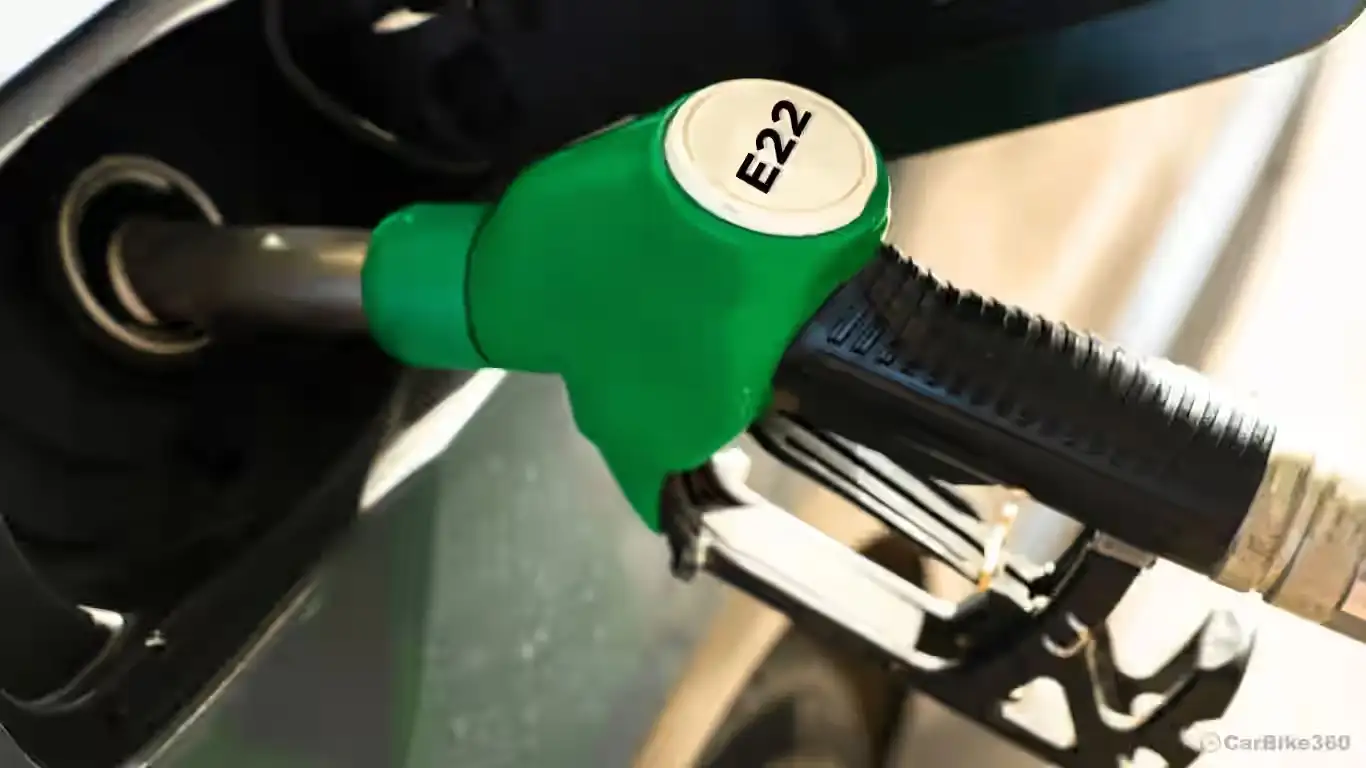
In a major boost to India’s biofuel ambitions, the Central Government has exempted higher ethanol-blended petrol variants from excise duty, signalling the next phase of the country’s ethanol blending programme beyond E20. The move is expected to accelerate adoption of fuels containing between 22 per cent and 30 per cent ethanol, reduce dependence on imported crude oil, and create fresh demand opportunities for the agricultural sector.
According to a notification issued by the Ministry of Finance, petrol blended with ethanol in the range of 22 per cent to 30 per cent by volume—including E22, E25, E27 and E30 variants—will now attract nil excise duty. The exemption applies to ethanol-blended motor spirit conforming to Bureau of Indian Standards (BIS) specifications and has been notified under Section 5A of the Central Excise Act, 1944.
The decision comes as India seeks to build on the success of its ethanol blending programme, which has emerged as one of the world’s fastest-growing biofuel initiatives. Ethanol blending in petrol increased from just 1.5 per cent in 2014 to 10 per cent by 2022, while the country achieved its 20 per cent blending target in 2024, significantly ahead of the original 2030 timeline.

Industry stakeholders view the latest policy intervention as a crucial enabler for scaling ethanol consumption beyond current levels. According to Deepak Ballani, Director General, Indian Sugar & Bio-energy Manufacturers Association (ISMA), the excise duty exemption strengthens the economic case for higher ethanol blends while complementing other policy initiatives such as E85 fuel rollout and flex-fuel vehicle adoption.
“The removal of excise duty on higher ethanol blends is a welcome and progressive step that strengthens the Government’s push towards accelerated ethanol blending. Alongside initiatives such as the rollout of E85 and flex-fuel vehicles, this measure reduces the tax burden relative to petrol and creates a more enabling ecosystem for higher blend adoption,” Ballani said.
The industry believes India is already well-positioned to support the transition. Ballani noted that the country currently has ethanol production capacity exceeding demand by nearly 600 crore litres, including approximately 900 crore litres contributed by the sugar industry. Under the new framework, moving to E22 blending could unlock an additional 120 crore litres of ethanol demand, while E25 adoption could generate nearly 300 crore litres of incremental demand, creating significant growth opportunities across the biofuel value chain.
The policy also carries strategic significance at a time when India is seeking to strengthen energy security amid volatile global oil markets. Higher ethanol blending directly reduces the quantity of imported petroleum required for transportation fuels, lowering exposure to international crude price fluctuations and geopolitical disruptions affecting global energy supply chains.
For agriculture, the implications are equally substantial. Ethanol production has become a major source of demand for sugarcane, maize, damaged food grains, and other agricultural feedstocks. Higher blending levels are expected to support farmer incomes, improve rural economic activity, and further integrate agriculture into India’s clean-energy transition.
However, industry leaders caution that supply-side readiness alone will not be sufficient to achieve the next phase of ethanol growth. Ballani emphasized that the pace of future expansion will depend heavily on vehicle compatibility and regulatory support.
“Going forward, scaling up ethanol consumption will depend on faster adoption of flex-fuel vehicles by OEMs, supported by regulatory initiatives such as BIS certification and ARAI validation of higher blends. If half of India’s vehicle fleet becomes flex-fuel compatible by 2030, it could unlock an additional 400 crore litres of ethanol demand,” he said.
The policy is also expected to stimulate investment across the ethanol ecosystem, including feedstock procurement, distillation infrastructure, storage, logistics, and fuel distribution networks. At the same time, industry participants have highlighted the need for policy alignment to ensure long-term sustainability of the programme.
Ballani stressed that ethanol procurement prices must keep pace with rising agricultural input costs. “Aligning ethanol procurement prices with the nearly 20 per cent increase in sugarcane Fair and Remunerative Price (FRP) is critical to ensure industry viability, support timely farmer payments, and sustain the momentum of India’s ethanol blending programme,” he noted.
While the government clarified that applicable taxes on ethanol and duty-paid petrol components will continue under existing rules, the elimination of excise duty on the final blended fuel significantly improves the economics of higher ethanol blends and provides a clear signal of policy support for deeper biofuel penetration.
With E20 already established and fiscal incentives now extending to E22–E30 fuels, India is positioning itself for a new phase of biofuel expansion. The latest measure not only advances the country’s clean-energy goals but also reinforces the growing linkage between agriculture, energy security, and industrial sustainability—three pillars that are increasingly shaping India’s long-term growth strategy.