Tuesday, 14 July 2026

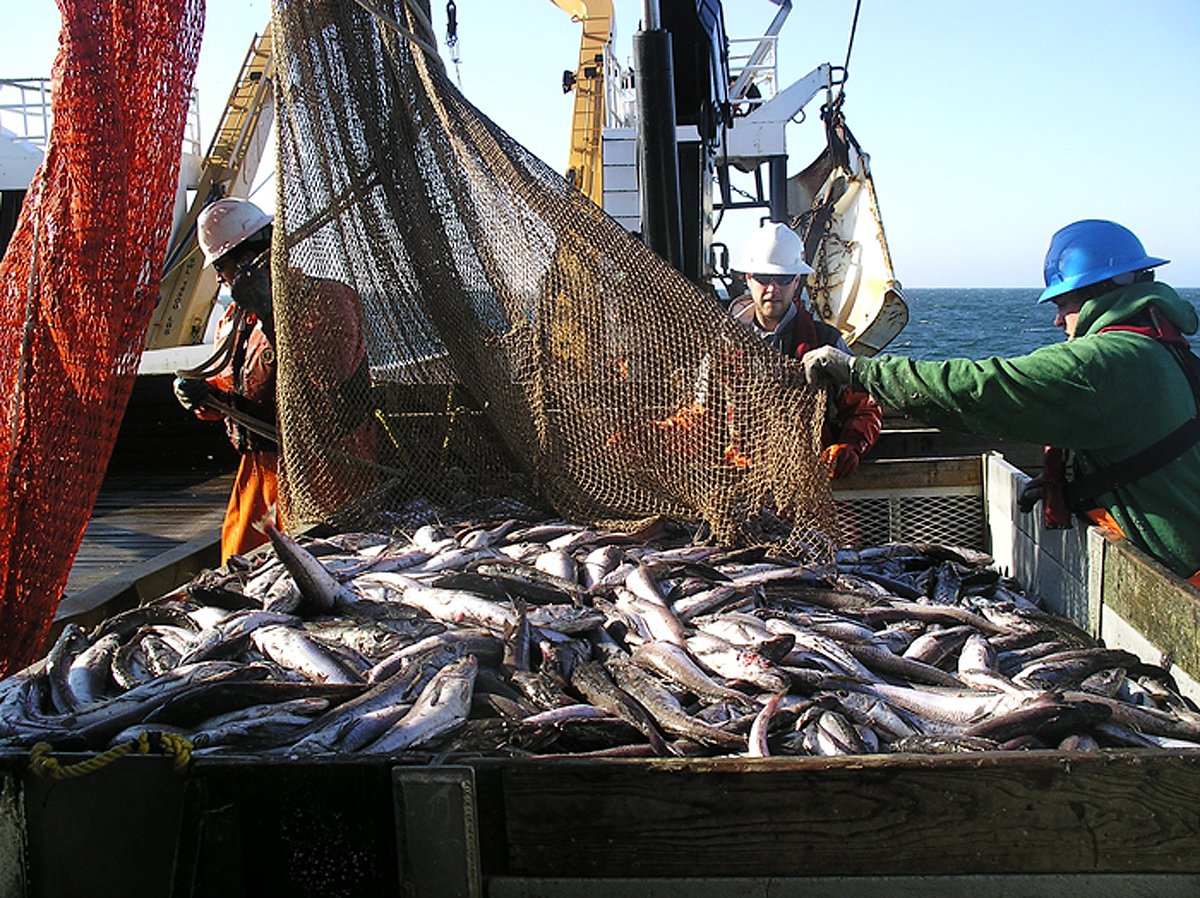

Esther Garrido of FAO urges processors, retailers and foodservice operators to integrate authenticity testing and supplier verification into core business risk management
In an exclusive interview with AgroSpectrum, Esther Garrido, Fisheries Officer at the Food and Agriculture Organization of the United Nations, explains why establishing a reliable global baseline for fish fraud remains elusive due to fragmented data, inconsistent methodologies and systemic underreporting. She highlights that strong economic incentives, coupled with weak enforcement, continue to drive species substitution, mislabelling and other deceptive practices that threaten consumer trust, public health and marine sustainability.
Esther underscores that fraud detection must be integrated into routine food safety and fisheries governance systems, supported by harmonised traceability standards and smarter use of analytical technologies. She stresses that meaningful progress will require coordinated international action, stronger regulatory frameworks, private sector accountability and sustained capacity building to protect biodiversity, food security and market integrity.
Scope and Scale : Why is it so hard to establish a reliable global baseline for fish fraud, and what would it take to produce one?
Despite frequent references to figures, the fisheries and aquaculture sector lacks a reliable global baseline because data are fragmented, methods are inconsistent, and fraud is systematically underreported. Different studies use different definitions of fraud, sampling strategies, and analytical tools, making results difficult to compare across regions or species.
Institutionally, establishing a baseline it would require coordinated reporting mechanisms, stronger data sharing between countries, and clear mandates for competent authorities to monitor fraud systematically, not just incidentally. FAO’s report makes clear that without global coordination, estimates will remain indicative rather than definitive.
Economic Incentives vs. Enforcement : How important are economic incentives compared to weak enforcement in driving fish fraud?
Economic incentives are the primary driver of fish fraud, but weak enforcement determines whether it is worth taking the risk. Large price differentials between species that look similar, between fish production methods (wild vs. farmed), or between origins create strong motivation for species substitution, misbranding, or mislabelling. In regions with limited inspection capacity or weak regulatory frameworks or weak penalties, the economic reward far outweighs the risk. FAO emphasizes that fraud is not simply a market issue; it is a governance issue, where incentives and enforcement failures reinforce each other.
Consumer and Public Health Risk: Which forms of fish fraud pose the greatest risks to human health, and are current frameworks sufficient?
All forms of fraud can have food safety implications. The risks have to be evaluated on a case-by-case basis. I can think about high-risk situations when fraud leads to species substitution involving toxic species, undeclared allergens, or the addition of adulterants that can harm consumers, but there might be other circumstances that may imply the same level of risk.
While food safety systems are generally designed to detect unintentional food safety issues, they are less well equipped to detect deliberate deception. FAO highlights that food fraud often falls between food safety, quality control, and fisheries management mandates. Without integrating fraud detection into routine controls, health risks linked to intentional misrepresentation can remain invisible.
Biodiversity and Sustainability Impact: How does fish fraud undermine fisheries management and sustainability claims?
Fish fraud can undermine fisheries management by distorting catch data and masking overfishing. When species or origins are misreported, managers lose the ability to accurately track exploitation levels or enforce conservation measures. This can threaten biodiversity and also food security in the long-term, a key concern for FAO.
Technology and Accessibility Gap: How can regulators bridge the gap between advanced detection tools and real-world accessibility?
Analytical tools such as DNA barcoding or isotope analysis are useful, but FAO stresses that technology alone is not enough. Bridging the gap requires tiered monitoring systems, where low-cost screening tools are used routinely and analytical methods are reserved for targeted investigations.
Traceability and Labelling Standards: What prevents global alignment on seafood traceability and labelling standards?
Traceability requirements and labelling standards for food have been developed by the Codex Alimentarius, and they provide clear information and are a benchmark for food safety, but the aquatic sector presents unique challenges due to the complexity of the sector and increasing international trade of fisheries and aquaculture products. Logistically, small-scale fisheries and complex trans-shipment chains pose challenges. FAO’s report highlights that while scientific naming and traceability are widely recognized as essential, global alignment requires political will, regulatory coherence, and support mechanisms to ensure smaller actors are not excluded.
Role of the Private Sector: What responsibilities should the private sector assume, and how can proactive compliance be encouraged?
Processors of aquatic products, retailers, and foodservice companies play a central role, as they often control the technical specifications of the products they buy and select their suppliers. Businesses should implement due diligence, supplier verification, traceability systems, and routine authenticity testing as part of normal operations. Fraud prevention works best when it is integrated into business risk management, not treated as an external enforcement issue.
Path Forward: What combination of actions is most likely to reduce fish fraud over the next decade?
No single solution will suffice. The most effective path forward combines robust regulatory frameworks, stronger enforcement, international cooperation and data sharing, risk-based use of analytical technologies, harmonized labelling and traceability requirements also for aquatic products, capacity building in developing regions, and greater consumer awareness and transparency. This is the way forward.
— Suchetana Choudhury (suchetana.choudhuri@agrospectrumindia.com)