Wednesday, 15 July 2026

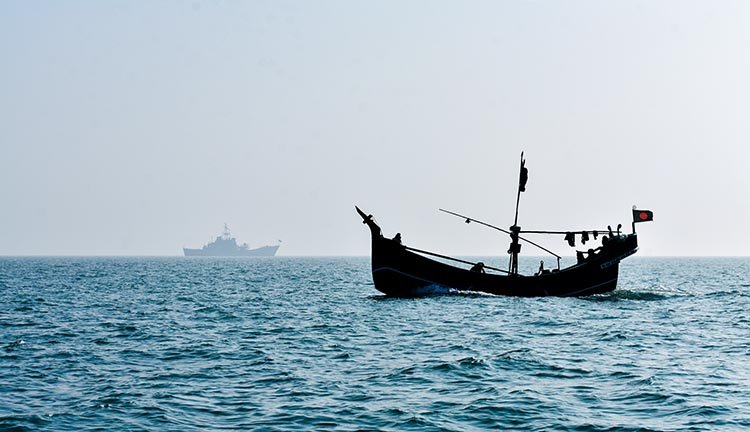
Roadmap presented at FAO’s global meeting of Sub-Committee on Fisheries Management, in Iceland
Fisheries governance across the Bay of Bengal region, including India, is set for a major and positive transformation, with countries committing to develop nationally owned National Plans of Action for the small-scale fisheries sector.
At a crucial global meeting of the Sub-Committee on Fisheries Management (COFI-FM) held by the UN’s Food and Agriculture Organisation (FAO) in Reykjavik, Iceland, the Bay of Bengal Programme Inter-Governmental Organisation (BOBP-IGO) proposed FAO–regional collaboration to transform the fisheries governance in the Bay of Bengal countries in a way that supports small-scale fisheries across India, Bangladesh, Maldives and Sri Lanka.
With India home to over 4 million marine fishers and millions more in inland fisheries, the emphasis on inclusive governance, social protection and practical management tools for small-scale fisheries is expected to directly shape upcoming national policies and programmes.
The organisation alerted that a large share of the region’s fishing fleet is nearing the end of its life cycle and requires urgent replacement and sustainable disposal.
Presenting the regional need at the meeting held from February 23 to 27, BOBP Director Dr P Krishnan stressed the need for immediate plans to phase out ageing vessels, promote circular economy practices and introduce safer, more durable boat materials. “The transition is critical for sustainability and for the future of millions engaged in small-scale fisheries”, he said.
Highlighting the social dimension, the roadmap underlined initiatives on safety at sea, decent work, insurance and livelihood support, including expanding opportunities for women in fisheries value chains. It also called for translating scientific data into practical management action through simplified rules and guidance that would allow national agencies to move swiftly from stock assessment to implementation.
The organisation further emphasised stronger regional cooperation on shared and transboundary fish stocks through joint assessments and coordinated management under existing Bay of Bengal platforms, a move expected to improve long-term fish availability and reduce overfishing across national waters.
In addition, Bay of Bengal countries are set to intensify joint action against illegal fishing through cooperative mechanisms, while adopting digital tools and artificial intelligence-based systems to modernise fisheries monitoring and reporting.
The proposed reforms are expected to have far-reaching impacts on millions of fishers and coastal households by improving incomes, enhancing safety and ensuring long-term sustainability of marine resources across the Bay of Bengal region.