Sunday, 12 July 2026

Vetiver Roots Transform Wastelands into Prosperity in Parkhanda and Mandrod
The fields of Parkhanda village were once a forgotten corner of rural India. Dust rose with the wind, and the soil seemed to whisper only of neglect. For generations, families walked past with weary eyes, resigned to the belief that nothing of value could ever grow there.
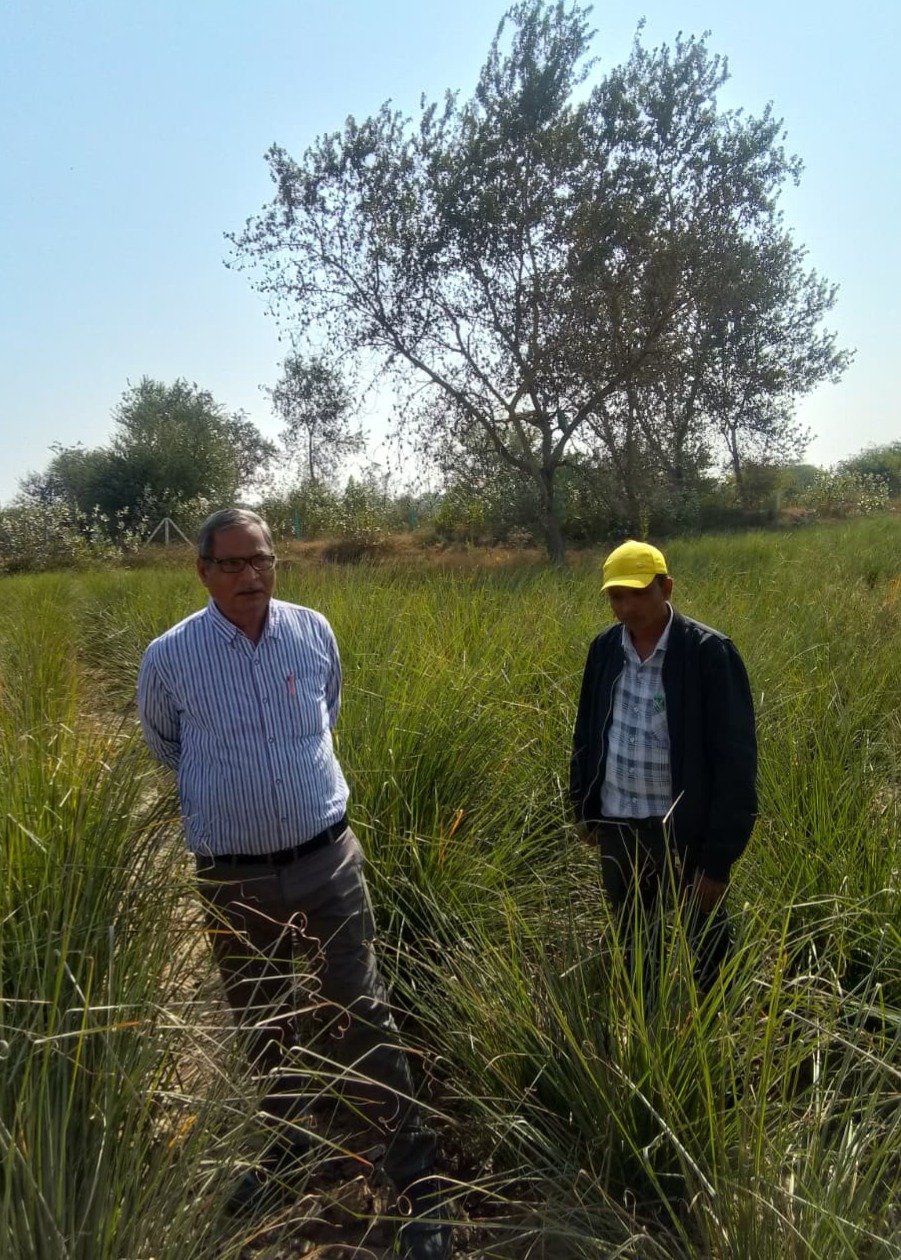
But five months ago, a quiet revolution began. On 2.5 acres of barren ground, the villagers planted Vetiver, a medicinal plant whose roots run deep and whose fragrance carries both healing and hope.

Vetiver: Roots of Hope
Vetiver is no ordinary crop. Its roots, harvested after just five months of cropping, yield a precious essence—itar, the essential oil that perfumers and healers have cherished for centuries. The oil is earthy, enduring, and valuable, with buy-back arrangements ensuring that every farmer’s effort is rewarded.
In Parkhanda, 520 farmers have joined hands, forming 10 Self-Help Groups (SHGs). Each member invested Rs 12,500, a modest sum that has blossomed into a fragrant stream of income. Their efforts were nurtured by the Crystal Education Society, which provided 50,000 saplings free of cost. Today, each acre yields 50–70 litres of vetiver oil, turning forgotten soil into a treasury of prosperity.
Woman’s Voice in the Fields
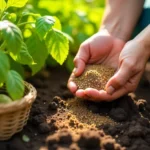
Among the rows of vetiver, women farmers stand at the forefront of this transformation. One of them, Sunita Devi, bends to lift a handful of roots, her hands stained with the earth that now sustains her family. She smiles, her eyes shining with quiet pride.
“This land was once useless,” she says. “We women were told it had no future. But vetiver has changed everything. Now, when I hold these roots, I feel I am holding our dignity. The oil we make carries the fragrance of our hard work, and it gives us strength to dream for our children.”
Her words capture the essence of the movement: the reclamation of land, livelihood, and identity.
Mandrod: A Parallel Symphony
The fragrance of success did not stop at Parkhanda. In Mandrod village, the same vision has taken root. Here, 4 acres of Panchayat wasteland were reclaimed, their silence broken by the rustle of vetiver leaves.
With the support of investor C G Stevia, each participant invested Rs 20,000, and 80,000 saplings were provided free of cost. The harvest brought not only fragrance but fortune: profits of Rs 50,000 –Rs 75,000 per acre, alongside oil yields of 50–70 litres per acre.
Mandrod’s fields now shimmer with promise, echoing the fragrance of vetiver and the resilience of its people.
Beyond Oil: A Model for Empowerment
The story of vetiver in these villages is more than agriculture—it is a renaissance of community and environment. Economic empowerment has lifted farmers from uncertainty into dignity. Social solidarity has turned SHGs into engines of collective strength. Environmental renewal has restored soil health, proving that the earth, when nurtured, returns abundance beyond measure.
The Chhattisgarh Tribal Local Health Traditions & Medicinal Plants Board (CGTLHT & MPB) Vision in Action
Parkhanda and Mandrod embody the vision of JACS (J.V.S.) Rao, a retired IFS officer and CEO, CGTLHT & MPB in capacity of sustainable agriculture as a force for transformation. They show that even wasteland, when given care and purpose, can become a cradle of prosperity.
From the fragrance of vetiver roots to the promise of oil, these villages remind us that hope grows strongest where the soil was once silent. In Parkhanda and Mandrod, wasteland has become wonderland. The fragrance of vetiver carries not just the scent of oil, but the promise of prosperity, dignity, and hope.
— Suchetana Choudhury (suchetana.choudhuri@agrospectrumindia.com)