Saturday, 11 July 2026

How low-cost water technologies are powering the state’s medicinal plant revolution
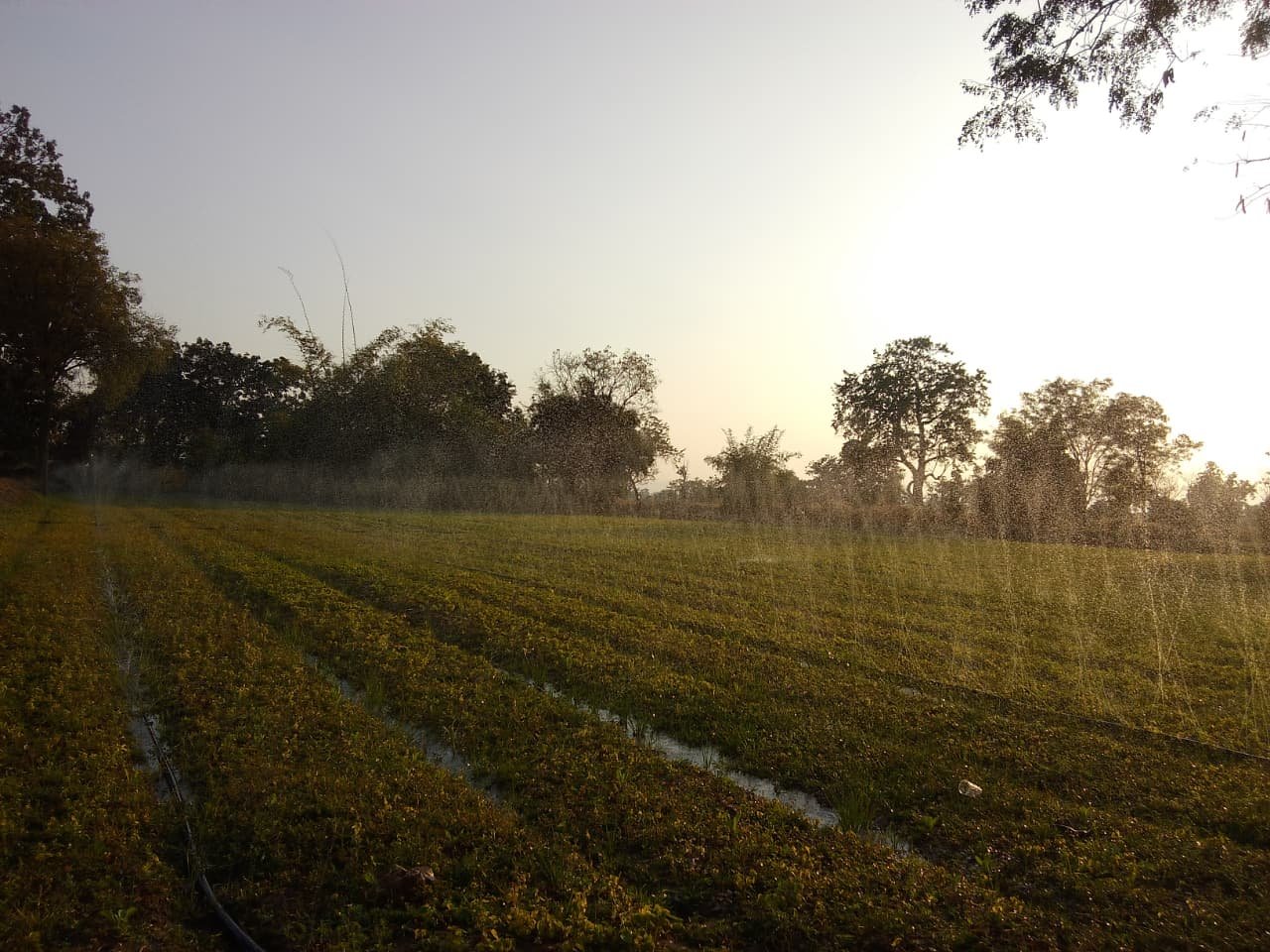
In the fields of Chhattisgarh, water has always been the decisive factor between subsistence and surplus. Traditional drip irrigation systems, while effective, often cost Rs 40,000–45,000 per acre — a prohibitive figure for smallholders. Rain irrigation technologies, however, are rewriting the economics of farming. At just Rs 15,000 per acre, these systems mimic natural rainfall, channel water from borewells, and distribute it evenly across fields. By maintaining ambient temperature and conserving soil moisture, they reduce stress on crops and stabilize yields.
Linking Water to Medicinal Plant Cultivation
The affordability and efficiency of rain irrigation have made it particularly transformative for medicinal and aromatic crops in Chhattisgarh. Farmers cultivating palm rosa (Cymbopogon martinii), lemongrass (Cymbopogon citratus), shatavari (Asparagus racemosus), and ashwagandha (Withania somnifera) now have access to reliable water at a fraction of the cost. These crops, hardy by nature, require less water than staples like paddy, but consistent irrigation enhances oil yields, phytochemical content, and overall quality.
For palm rosa, harvested every three months, rain irrigation ensures flowers retain their aromatic potency before drying and oil extraction. Lemongrass, prized for its citral-rich oil, thrives under steady moisture, with the CKP‑25 variety introduced in Chhattisgarh performing exceptionally well in cooler regions. Shatavari and ashwagandha, both critical for women’s health and adaptogenic remedies, benefit from the reduced input costs and climate resilience that rain irrigation provides.
Saving Labour, Boosting Margins
Rain irrigation not only lowers capital costs but also reduces labour. Farmers no longer spend hours maintaining drip lines or repairing leaks. The system’s simplicity frees them to focus on crop diversification and processing. With raw material costs already minimized through Board support and innovations like mycorrhiza, the addition of low-cost irrigation further boosts margins. For many, this is the difference between modest earnings and becoming “lakhpati farmers.”
Climate Resilience in Practice
Chhattisgarh’s herbal economy is built on resilience — crops that withstand erratic rainfall, soils restored through biodiversity, and women-led clusters that stabilize incomes. Rain irrigation technologies fit seamlessly into this model. By maintaining ambient field temperatures and ensuring steady moisture, they protect medicinal plants from heat stress and drought. This resilience is critical in districts like Bastar and Dhamtari, where climate variability has long threatened agricultural stability.
Institutional Support and Market Confidence
The Chhattisgarh Tribal Local Health Traditions & Medicinal Plants Board has recognized the synergy between water innovation and herbal farming. By promoting rain irrigation alongside seed distribution, pre-market arrangements, and advance payments, the Board ensures that farmers have both the inputs and infrastructure needed to succeed. As J.V.S. Rao, CEO of the Board, notes: “Medicinal and aromatic plants are hardy, but with timely irrigation, they become truly profitable. Rain irrigation technologies allow us to combine health and wealth with sustainability.”
Water as the Hidden Ingredient of Herbal Prosperity
The story of Chhattisgarh’s herbal economy is often told through the fragrance of palm rosa, the tang of lemongrass, and the healing properties of shatavari. Yet behind these crops lies an invisible ingredient: water. Rain irrigation technologies, affordable and efficient, are ensuring that medicinal plants not only survive but thrive. By linking water innovation to herbal cultivation, Chhattisgarh is demonstrating how simple technologies can unlock complex transformations — turning biodiversity into prosperity, and farmers into custodians of both health and wealth.
— Suchetana Choudhury (suchetana.choudhuri@agrospectrumindia.com)