Saturday, 11 July 2026

How women-led herbal farming is reshaping livelihoods and global supply chains in India’s Herbal State
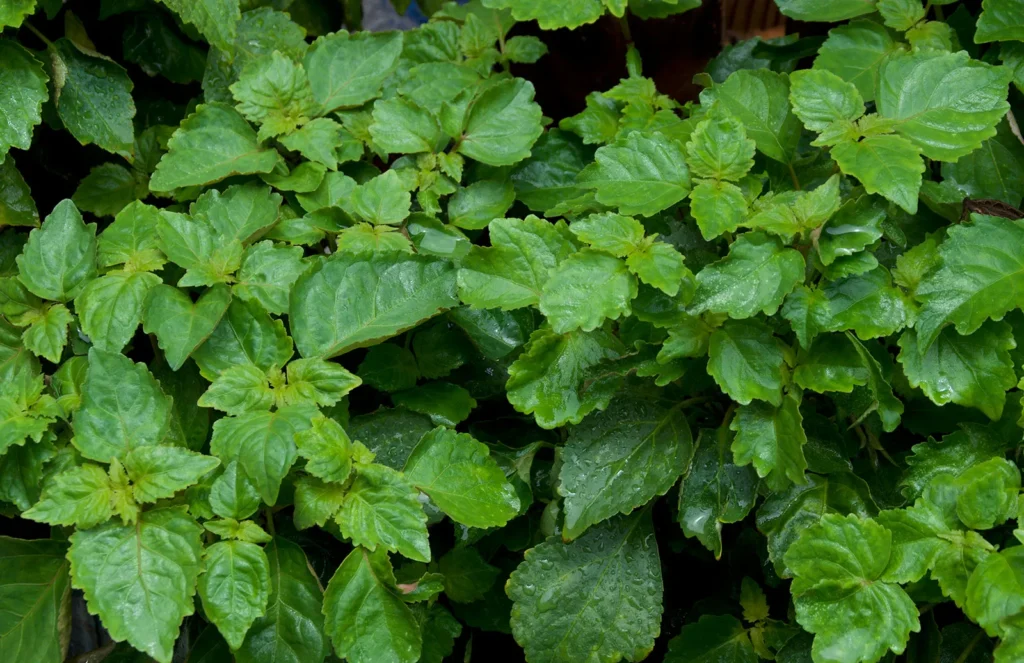
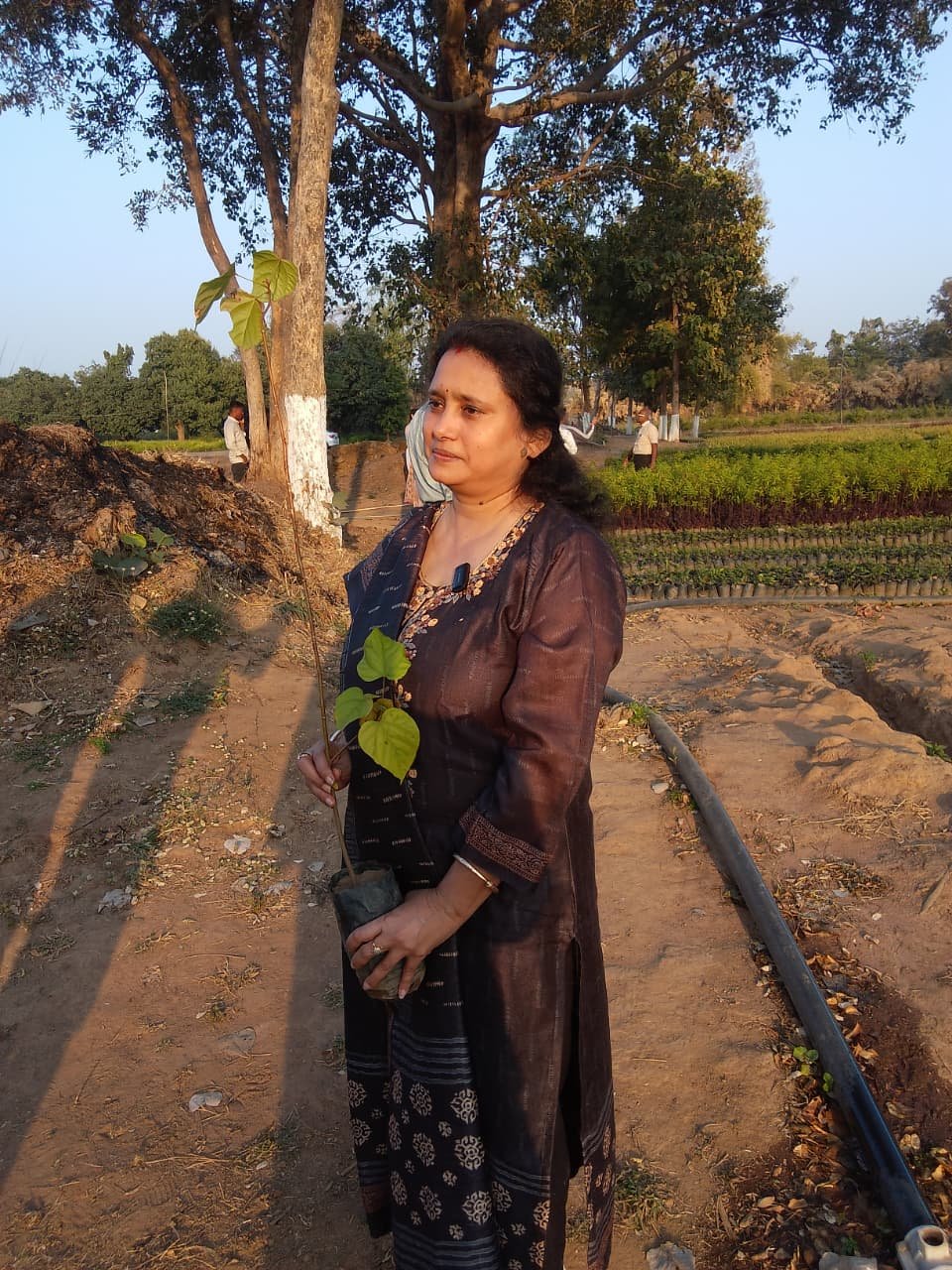
In the rolling farmlands of Chhattisgarh, where medicinal and aromatic plants are increasingly redefining rural economies, one name stands out: Renu Chhabra, the “Patchouli Lady of Chhattisgarh.” Her pioneering work with patchouli (Pogostemon cablin) has not only transformed her own farm but also inspired hundreds of women farmers to see herbal cultivation as a pathway to prosperity, empowerment, and global market integration.
Patchouli: A Plant of Global Demand
Patchouli is a high-demand aromatic crop, prized in the perfume industry for its distinctive, earthy fragrance. Unlike many other essential oils, patchouli has no synthetic substitute, making its natural oil indispensable. In Chhattisgarh’s Devri farms, Renu Chhabra recognized this unique market advantage and began cultivating patchouli at scale.
On one acre, 20,000 plants can be grown, reaching about three feet in height. Each acre yields approximately two tonnes of dry leaves, from which oil is extracted at a rate of two percent. This translates into 40 kilograms of patchouli oil per acre. With market prices ranging from Rs 3,000 to Rs 18,000 per kilogram, farmers can earn between Rs 4–5 lakh profit per acre annually. For Renu, who expanded her cultivation to 21 acres, the economics are transformative.
Women at the Forefront
Renu’s journey is emblematic of a broader truth: women often make better herbal farmers than men. Their meticulous care in cultivation, harvesting, and processing ensures higher yields and better quality. By leading patchouli farming clusters, women like Renu are not only raising household incomes but also reshaping gender dynamics in rural communities.
Her success has created a ripple effect. Women’s self-help groups (SHGs) across Chhattisgarh are now experimenting with patchouli and other aromatic crops, supported by buy-back models that guarantee market access. This model reduces risk, builds confidence, and ensures that women farmers are not left vulnerable to fluctuating demand.
The Buy-Back Model: Building Market Confidence
One of the key innovations in Renu’s work is the buy-back model for patchouli oil. Farmers cultivate the crop, harvest leaves, and extract oil, while buyers commit to purchasing the oil at pre-agreed rates. This arrangement stabilizes incomes and encourages farmers to expand acreage. For patchouli, where demand is consistently high in the perfume industry, the buy-back model has proven particularly effective.
Linking to Chhattisgarh’s Herbal Economy
Renu Chhabra’s success with patchouli is not an isolated story; it is part of a larger herbal tapestry being woven across Chhattisgarh. The state’s herbal economy thrives on diversity, where multiple crops complement each other to create resilience, market depth, and ecological balance. Among these, sindoor (Bixa orellana) and silacia (Salacia reticulata) stand out as emblematic examples of how medicinal and aromatic plants are being mainstreamed into farming systems.
Sindoor: From Vermillion to Food Colour
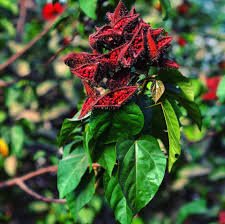
Sindoor, traditionally known for its natural red dye used as vermillion, has found new life in modern industries. Farmers cultivate sindoor in nurseries, transplanting saplings into polybags for distribution. On one acre, with a 5×5 metre spacing, about 500 saplings can be established. Each plant yields approximately one kilogram of seeds, which fetch Rs 300 per kilogram in the market.
The economics are compelling: from the second year onwards, farmers enjoy a consistent income stream. The seeds are processed into natural dyes used in textiles and food colouring, offering sustainable alternatives to synthetic chemicals. Sindoor cultivation thus bridges tradition and modernity — rooted in cultural practices yet aligned with contemporary industry demands. Its ornamental appeal adds another layer of value, making it a versatile crop for farmers seeking both income and ecological enrichment.
Silacia: An Antidiabetic Export Crop
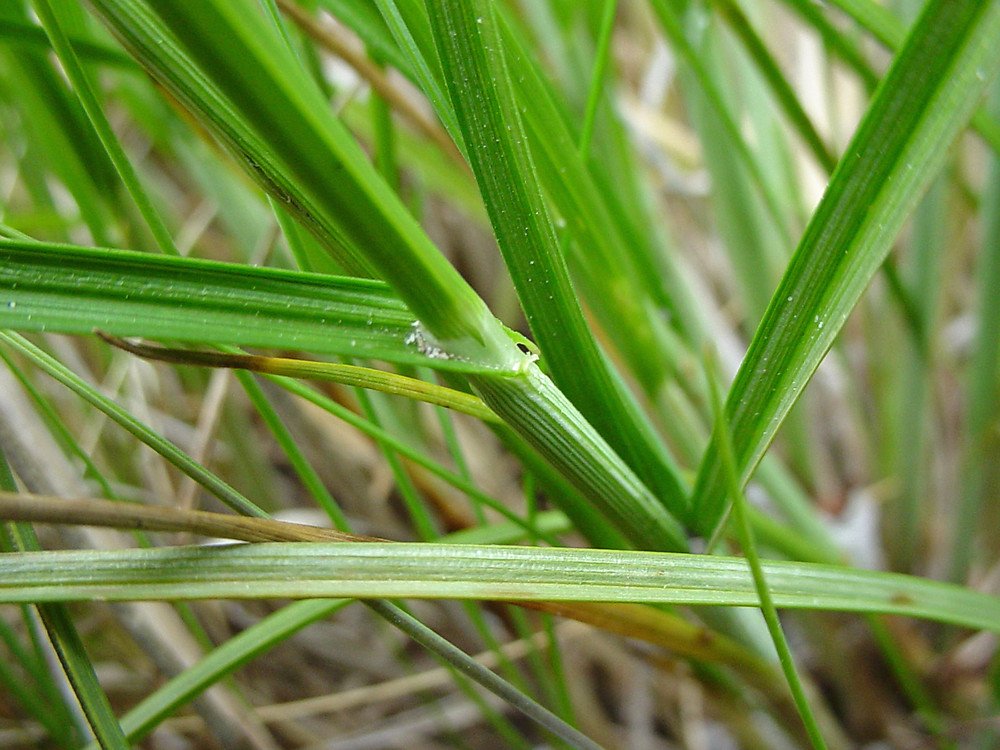
Silacia (Salacia reticulata), an antidiabetic plant, represents Chhattisgarh’s entry into global herbal markets. Widely used in Japan for its medicinal properties, silacia is now cultivated systematically in the state. Farmers plant about 3,000 saplings per acre, and after four years, the plants reach heights of 7–8 feet. Each mature plant produces one kilogram of dry root and one kilogram of stem.
The returns are striking: one acre of silacia can generate approximately Rs 6 lakh, making it a viable option for larger farmers willing to invest in long‑term crops. Its global demand, particularly in Japan, ensures stable export markets. The plant’s rarity adds to its value — once abundant in Sri Lanka, silacia has now disappeared from its natural habitat there, further increasing the importance of cultivated sources. In Chhattisgarh, over three lakh plants have already been established, positioning the state as a reliable supplier in international herbal trade.
Integration into the Herbal Economy
Together, sindoor and silacia illustrate the breadth of Chhattisgarh’s herbal economy. Sindoor offers quick returns and integration into domestic industries such as textiles and food, while silacia provides high‑value export potential with long‑term profitability. Alongside patchouli’s dominance in perfumery, these crops diversify income streams, reduce risk, and strengthen the state’s reputation as India’s “Herbal State.”
By cultivating a portfolio of crops — patchouli for perfumes, sindoor for dyes, silacia for pharmaceuticals — farmers are not only securing livelihoods but also embedding themselves in global supply chains. This diversification ensures that Chhattisgarh’s herbal economy is resilient, adaptable, and future‑ready.
Sustainability and Climate Resilience
Patchouli and other medicinal plants are hardy, climate-resilient, and require less water than conventional crops. Rain irrigation technologies, costing Rs 15,000 per acre compared to Rs 40,000–45,000 for drip systems, further reduce input costs and stabilize yields. By maintaining ambient field temperatures and conserving soil moisture, these systems ensure that crops like patchouli thrive even under erratic rainfall conditions.
Renu’s Legacy
Renu Chhabra’s 21-acre patchouli farm is more than a business; it is a symbol of transformation. Her work demonstrates that women-led herbal farming can deliver high profits, global market integration, and ecological sustainability. By championing patchouli, she has carved out a niche for Chhattisgarh in the international perfume industry, while inspiring a generation of women farmers to see themselves as entrepreneurs and custodians of biodiversity.
As she often says, “Patchouli is not just a crop; it is a fragrance of empowerment. When women farm it, they farm dignity, income, and respect.”
Conclusion
The story of the Patchouli Lady of Chhattisgarh is a story of resilience, innovation, and empowerment. It shows how a single aromatic plant, cultivated with care and vision, can transform livelihoods and connect rural communities to global industries. In the fields of Devri, Renu Chhabra has proven that herbal farming is not only about plants — it is about people, prosperity, and the promise of sustainable futures.
—- Suchetana Choudhury (suchetana.choudhuri@agrospectrumindia.com)