Monday, 13 July 2026

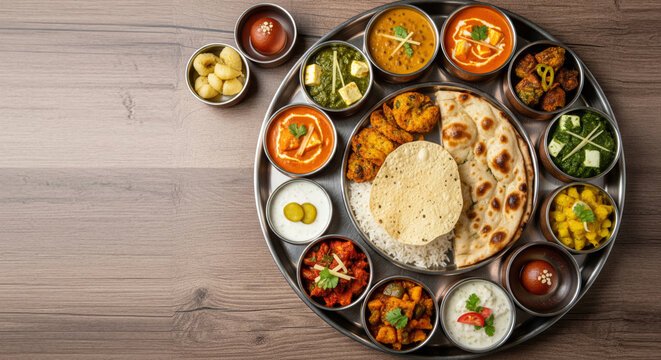
CRISIL’s latest Monthly Thali Index indicates welcome respite for Indian households, with the average cost of preparing both vegetarian and non-vegetarian thalis declining 13 percent year-on-year in November. The index, which tracks prices of key ingredients across the northern, southern, eastern, and western regions, provides a real-time view of how shifts in cereals, pulses, broilers, vegetables, spices, edible oils, and cooking gas influence the daily food budget of consumers.
The drop in the cost of a vegetarian thali was anchored by a sharp correction in vegetable and pulse prices—two components that have historically driven volatility in household food expenditure. Tomato prices were down 17 percent year-on-year owing to higher supplies, while potatoes fell 29 percent on a high base. Onion prices recorded a steep 53 percent contraction, supported by larger carryover stocks from the previous rabi season and subdued exports.
Pulse prices, meanwhile, fell 17 percent as sizeable imports of Bengal gram, yellow pea, and black gram—up ninefold, 85 percent, and 31 percent respectively in fiscal 2025—boosted domestic availability. With these imports permitted until March 2026, the supply-led easing has placed sustained downward pressure on retail prices.
Despite the broad cooling, certain components exerted upward pressure. Edible oil prices rose 6 percent year-on-year, reflecting strong demand during the festive season. A similar 6 percent rise in domestic LPG cylinder prices also weighed on overall savings, moderating the full potential decline in thali costs.
Non-vegetarian thalis followed a similar downward trajectory, benefiting from a 12 percent year-on-year drop in broiler prices, which account for nearly half the cost of a non-vegetarian meal. Lower vegetable and pulse prices further reinforced the moderation.

“ In November, the cost of both vegetarian and non-vegetarian thalis fell 13 per cent on-year, primarily because of price decline witnessed in vegetables and pulses. Tomato prices eased due to increased arrivals in the market, while potato prices were lower because of a high base. Onion prices fell sharply, supported by high rabi stock from the previous season and muted exports. The prices of pulses softened on account of higher stocks from previous fiscal when imports of Bengal gram, yellow pea and black gram had significantly increased on year.
Over the medium term, onion prices are expected to firm up because of delayed kharif harvesting and lower yields. Potato prices, however, are likely to moderate further as cold-storage stocks are released into the market. Prices of pulses are expected to remain range-bound in the near term, shaped by two key factors: first, the 30 per cent import duty on yellow pea, which lends upside support and, second, unrestricted imports of black gram, which limit steep price increases. Any additional policy intervention such as extending or raising import duties could exert more upward pressure on prices of pulses.”
— Pushan Sharma, Director, Crisil Intelligence
On a sequential basis, however, the trend was mixed. The cost of a vegetarian thali increased 2 percent month-on-month, driven by a 5 percent increase in potato prices and a sharper 14 percent rise in tomatoes, even as most other ingredients remained stable. In contrast, the non-vegetarian thali saw a 1 percent monthly decline, supported by an estimated 5 percent fall in broiler prices amid market oversupply.
With food inflation continuing to shape consumption patterns and policy priorities, CRISIL’s November data underscores the role of stable supply chains and adequate stock levels in easing pressures on household budgets, even as selective categories such as edible oils and cooking gas keep inflation risks alive.