Tuesday, 9 June 2026

Policy recalibration balances farmer returns, domestic stability, and diplomatic commitments
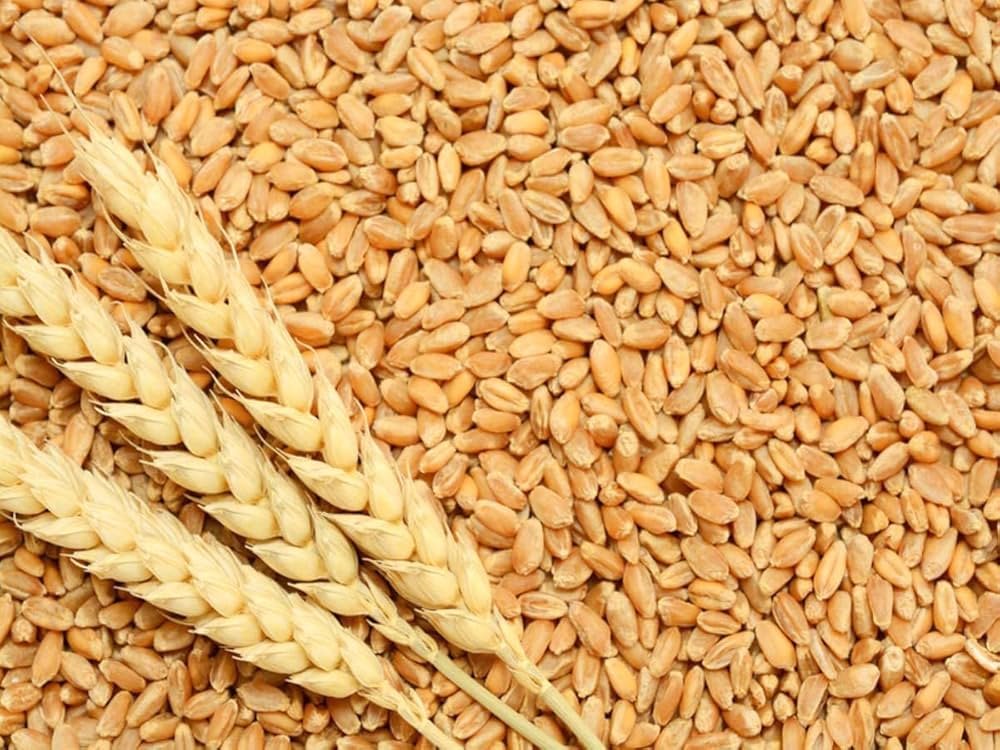
In a significant policy recalibration, India has moved to double its wheat export quota to 5 million tonnes, signalling a cautious reopening of overseas shipments after maintaining strict controls since 2022. The decision, approved at the highest levels of government and awaiting formal notification, reflects a nuanced approach—easing pressure on domestic markets while preserving food security priorities.
The move follows mounting concerns from farmers over subdued mandi prices, despite an increase in the Minimum Support Price (MSP) to Rs 2,585 per quintal for the 2025–26 crop year. Unseasonal weather has further complicated the landscape, affecting crop quality and creating uneven price realisation across regions. By allowing calibrated exports, policymakers aim to improve price discovery and support farm incomes without triggering domestic shortages.
According to the food ministry, the expanded quota is anchored in the principle of market stability. Export permissions will be tightly regulated, with shipments required to take place within six months of approval. The framework ensures that domestic availability remains the priority, even as limited volumes are released to ease surplus pressures and stabilise local price dynamics.
While broad export restrictions remain in place, the revised policy continues to accommodate shipments to “friendly nations” based on diplomatic considerations. This dual-track approach allows India to honour strategic partnerships while maintaining firm control over its grain reserves, highlighting the growing interplay between food policy and foreign relations.
The expanded quota underscores the complexity of managing agricultural markets in an era of climatic volatility and global uncertainty. By carefully widening the export channel, India seeks to strike a balance between farmer welfare, price stability, and national food security, ensuring that policy flexibility does not come at the cost of domestic resilience.