Wednesday, 10 June 2026

Celebrating the spirit of the International Year of Women Farmers and the global movement for food security– AI4Agri 2026
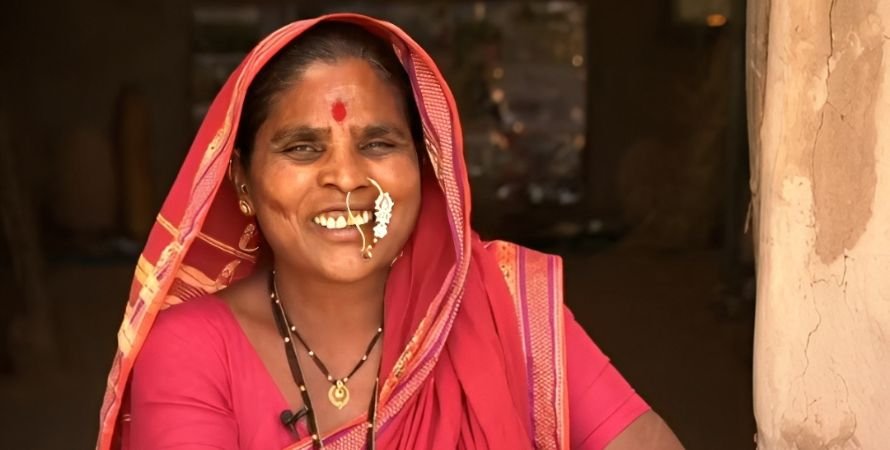
In a small village tucked away in the hills of Maharashtra, where mornings begin with the sound of livestock bells and the scent of wet soil after early rain, Rahibai Soma Popere walks slowly through her fields like someone guarding a precious legacy. In her hands are not weapons, not tools of power, but seeds — tiny, unassuming, yet powerful enough to decide whether future generations will eat, survive, and thrive. For Rahibai, each seed carries a story of survival, culture, and hope. For thousands of farmers across rural Maharashtra, she is not just a farmer. She is a mother of biodiversity.
Rahibai’s story begins in struggle. Born into the Mahadeo Koli tribal community, her childhood was shaped by poverty that closed the doors of formal education early in her life. At just ten years old, she was already working in agricultural fields and caring for cattle to help her family survive. While many children carried school bags, Rahibai carried bundles of fodder and harvested crops under the harsh sun. At seventeen, she married an uneducated farmer, and life did not suddenly become easier. But what could have been a story of hardship became instead a story of quiet learning, resilience, and determination. Without classrooms or textbooks, she became a student of nature — learning from soil, elders, seasons, and traditional farming knowledge passed through generations.
Her life changed when she began noticing something deeply troubling. Traditional crop varieties were disappearing from her community’s farms, replaced by commercial seeds that required more water, more chemicals, and more money. She realized that when seeds disappear, something deeper also disappears — nutritional security, cultural identity, and farmer independence. That realization became her quiet rebellion.
Rahibai began collecting indigenous crop varieties from neighboring villages and elderly farmers who still preserved traditional seeds in their homes. Slowly, her collection grew. She started conserving paddy landraces, millets, pulses, oilseeds, hyacinth beans, and local vegetable varieties that were better suited to the region’s climate. Eventually, she established an in-situ germplasm conservation center that now protects more than 120 landraces across 32 crop types. But Rahibai never believed in locking seeds away like museum artifacts. She believed seeds should live in farmers’ hands. So she freely distributed seedlings of vegetables, rice, legumes, and blackberry plants to Self-Help Group members and farming families across villages in Akole tribal block.
Her small home became something extraordinary — a living seed bank, a place where biodiversity and community came together. Visitors often find her sitting on the ground sorting seeds with her grandchildren, explaining patiently which seeds grow best in which soil, which plants resist drought, and which crops nourish the body during lean seasons. For Rahibai, conservation is not scientific isolation; it is love expressed through sharing.
Food security is deeply personal for her. Around her home, she built a perennial kitchen garden so her family and neighbors could access fresh vegetables and wild food resources throughout the year. She strongly believes that nutrition begins at home. Through organic farming practices such as vermicomposting, vermiwash preparation, natural pest control, and participatory seed selection, she teaches farmers how to farm with nature rather than against it. More than 3500 farmers across Ahmednagar district have learned from her demonstrations, but she measures success not in numbers of farmers trained, but in how many families can eat healthier food from their own land.
Rahibai’s work is also a story of women rising together. In her village, she leads multiple Self-Help Groups where women discuss farming, sanitation, nutrition, and financial independence. She encourages women to reclaim their role as seed guardians and food custodians. Through wild food exhibitions, she helps revive forgotten tribal dietary traditions, reminding communities that nature provides not only survival but also cultural memory. She often says that when women control seeds, they also help secure the future of their families.
Her partnership with BAIF Development Research Foundation helped amplify her impact across rural development programs focused on sustainable agriculture, livestock management, and water conservation. Through this collaboration, Rahibai combined scientific agricultural knowledge with traditional wisdom, proving that progress does not require abandoning heritage.
Today, visitors from across India travel to her village — scientists, students, farmers, and policymakers — all eager to witness what a community-led biodiversity revolution looks like. She has received national recognition including the Padma Shri award, but she remains the same woman who wakes before sunrise, checks her seedlings, and walks through her fields like a caretaker of future generations.
Rahibai’s life and work also resonate with the global recognition of women’s contributions to agriculture, especially during international movements that highlight rural women farmers. Initiatives aligned with the work of the Food and Agriculture Organization during global observances celebrating women in agriculture emphasize how crucial women farmers are to food security, biodiversity conservation, and climate resilience.
The spirit of International Women Farmer-focused movements is reflected in Rahibai’s life, where she embodies the very principles these global campaigns promote — dignity in farming, preservation of traditional knowledge, and leadership from the grassroots. As the world increasingly acknowledges the role of women in agriculture, Rahibai stands as a living example of why women must be at the center of sustainable farming systems. Her story connects local soil to global movements, showing that empowering women farmers is not just a development goal, but a necessity for the future of food and the planet.
Rahibai is a reminder that real revolutions do not always happen in cities or laboratories. Sometimes, they happen quietly in villages, in kitchen gardens, in seed storage boxes kept under beds, and in the hearts of women who refuse to let their agricultural heritage disappear. Her legacy is not just about conserving seeds — it is about protecting hope, dignity, and the right of every community to feed itself from its own land.
— Suchetana Choudhury (suchetana.choudhuri@agrospectrumindia.com)