Sunday, 12 July 2026

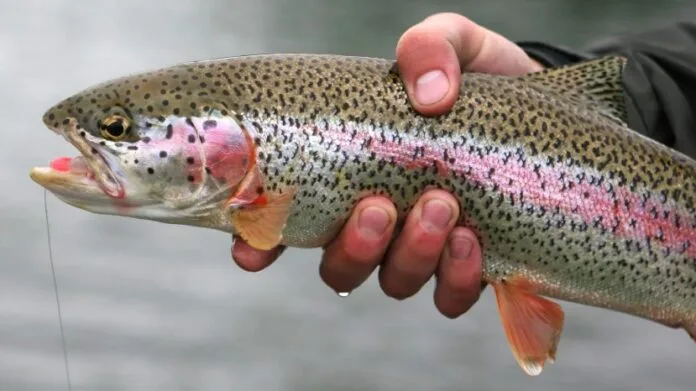
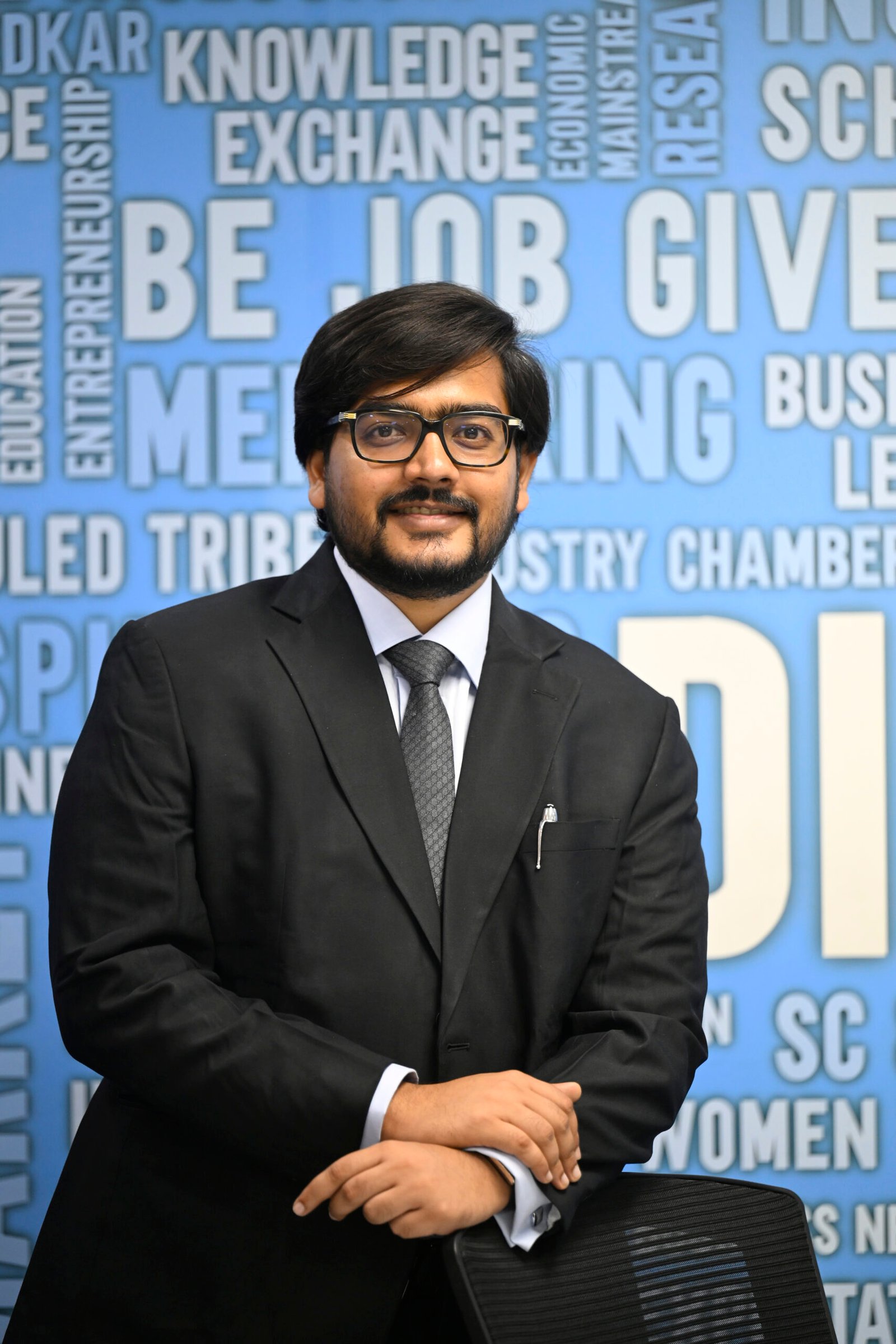
In this exclusive AgroSpectrum interaction, Aditya Rithvik Narra, Founder and Managing Director of Smart Green Aquaculture, shares how precision-engineered Recirculating Aquaculture Systems made rainbow trout farming viable in warm-climate Hyderabad, and how disciplined biological control, phased capital deployment, and integrated distribution turned innovation into a scalable business model.
Breaking Geography as Destiny
Trout farming in India has historically been confined to cold Himalayan regions. What were the biggest technical and biological barriers in adapting rainbow trout to an inland, warm-climate geography like Hyderabad—and what moments in this journey made you realise the model was commercially viable, not just technically possible?
The main barrier was biological. Rainbow trout are a cold-water species that begin to experience stress above 18 to 20°C and require very high dissolved oxygen levels. Hyderabad’s climate naturally pushes water toward high temperature and low oxygen, so we had to create a fully controlled environment.
Technically, this meant engineering a precision engineered recirculating aquaculture system with precise temperature control, strong water flow, and extremely stable water quality. Building a system that could maintain cold water conditions in a tropical region was the fundamental challenge.
Alongside this, we built full transparency and traceability into the system, with continuous monitoring of water parameters and fish health, so every stage of production could be verified in real time.
At what point did you realise the model was commercially viable, not just technically possible?
The shift from technical feasibility to commercial confidence came when multiple batches completed full grow out cycles with consistent survival, predictable growth, and feed conversion ratios comparable to cold region farms.
Early harvests confirmed that the product quality met premium market expectations and that customers valued the transparency and traceability we offered. The economics held even after accounting for cooling and energy loads.
Once unit economics crossed breakeven and performance became repeatable across cycles, it was clear that warm climate trout farming could scale sustainably.
Recirculating Aquaculture Systems are often discussed as sustainability tools, but rarely as industrial platforms. How do you think about RAS at scale—as core infrastructure akin to cold storage or controlled‑environment agriculture—and what design choices were critical in making a 1,200 MT inland trout facility economically feasible?
We view RAS not as a niche technology but as a scalable inland trout farming ecosystem, similar to cold storage or controlled‑environment agriculture. At scale, its value lies in its ability to decouple production from geography and climate, giving us year‑round biological consistency and full control over inputs, outputs, and traceability.
For a 1,200 MT trout facility, the critical design choices were precision engineering of the circular tanks, water filtration process, energy efficiency, thermal stability, and operational redundancy.
We engineered the system around heat‑load management, high‑efficiency chilling, and optimized water flow to keep biological performance predictable. Standardizing modules, centralised automating monitoring, and integrating real‑time traceability allowed us to reduce labor intensity and improve reliability.
These choices ensured that the economics worked at scale, turning RAS from a sustainability concept into a commercially viable production platform.
Aquaculture startups globally struggle with capex intensity and long gestation periods. How did you structure capital deployment across hatchery, grow out, processing, and cold chain to balance biological risk, cash flow discipline, and scalability?
We approached capital deployment with a strict risk‑layering strategy. The priority was biological security, so we invested early in a high‑integrity hatchery program. This allowed us to control genetics, survival, and stocking density from day one, reducing the biological volatility that typically drives cost overruns in aquaculture.
For grow out, we phased capex in line with biological proof points. Instead of building full capacity upfront, we scaled modules only after each production cycle demonstrated stable survival, predictable growth, and consistent feed conversion. This staged approach kept capital aligned with validated biology rather than assumptions.
Processing and cold chain were timed to cash flow. We delayed heavy investment in downstream infrastructure until we had recurring harvest volumes and confirmed market traction. Early volumes were handled through flexible, asset‑light partnerships, and only once throughput became predictable did, we commit to integrated processing and cold storage.
This sequencing allowed us to protect cash, reduce exposure to early‑stage biological risk, and build a platform that could scale without the typical capital drag seen in BlueTech.
SmartGreen’s model spans hatchery, grow out, processing, e commerce, and soon microalgae biorefining. Which part of the value chain surprised you the most in terms of margin control or risk mitigation, and where do you see the strongest defensibility against future competition?
The biggest surprise was how much margin control sits at the hatchery level. Once we internalised genetics, survival, and stocking quality, the entire downstream chain became more predictable. Controlling the earliest biological inputs reduced variability in growth, feed conversion, and harvest timing, which in turn stabilised both cost of production and cash flow. It also gave us full traceability from egg to plate, which has become a meaningful differentiator in premium markets.
On the risk side, integration into processing and cold chain proved more valuable than expected. By owning the post-harvest flow, we removed the volatility that typically comes from third party handling, delays, and inconsistent quality standards. This allowed us to maintain product integrity and reduce losses, especially for a sensitive species like trout.
Looking ahead, the strongest defensibility comes from the combination of biological control and data driven transparency. A competitor can replicate infrastructure, but it is far harder to replicate a closed loop system where hatchery performance, grow out biology, processing quality, and customer delivery are all integrated and traceable.
As we add microalgae biorefining, we strengthen this loop even further by internalising key inputs and reducing dependency on external supply chains. This integrated model is what ultimately creates long term competitive advantage.
Alongside our farming, we are also building the RAS Skill ecosystem, that will ensure the right human talent to progress and sustain our technological methodologies.
The planned microalgae biorefinery extends SmartGreen beyond fish into nutraceuticals, aquafeed, and sustainable agriculture. Is this a complementary sustainability layer, or do you see algae becoming a second growth engine that could one day rival aquaculture in revenue and strategic importance?
We see the microalgae biorefinery as more than a sustainability add‑on. It closes key loops in our system by internalising high‑value inputs like omega‑rich oils, pigments, and functional proteins, which directly improves cost control and reduces dependence on volatile global supply chains.
At the same time, the market potential for algae in nutraceuticals, specialty feed ingredients, and regenerative agriculture is significant. As we scale production and refine extraction technologies, algae has the capacity to become a parallel growth engine with its own margin structure and customer base.
In the long run, aquaculture and algae reinforce and complement each other. One strengthens biological performance, the other diversifies revenue. That combination is what gives us strategic resilience and long‑term defensibility.
India is price sensitive but rapidly evolving in its demand for traceable, high protein, responsibly farmed food. How do you see consumer trust, cold chain reliability, and digital first distribution shaping the future of premium seafood consumption in India?
The biggest shift we are seeing is that trust combined with premium appeal , backed by transparency and traceability now drives willingness to pay. Consumers want to know where their protein comes from, how it was raised, and whether it meets safety and sustainability standards. Full traceability from hatchery to delivery is becoming a baseline expectation, not a premium feature.
Cold chain reliability is equally important. Premium seafood only holds its value if the integrity of the product is protected end to end. By controlling processing, storage, and last mile logistics, we can guarantee consistency, which is what ultimately builds repeat purchase behavior in a market that has historically been sceptical of seafood quality.
Digital first distribution accelerates this transition. It allows us to communicate provenance, freshness, and handling in real time, and it gives consumers direct access to premium products that were previously unavailable inland.
As these three elements converge, India’s premium seafood category will shift from niche to mainstream, driven by transparency, reliability, and direct‑to‑consumer access.
India’s Blue Economy vision and PM Matsya Sampada Yojana provide strong policy backing, yet inland RAS farms face regulatory and skill‑related challenges. What policy reforms or institutional support would most accelerate India’s transition from volume‑driven fisheries to high‑value aquaculture?
The most immediate need is continuous regulatory reforms for inland RAS. A single‑window framework with defined norms for power use, water use, discharge, biosecurity, and traceability would significantly reduce project timelines and investor risk. Clear classification of RAS as agri‑infrastructure would also unlock more favourable financing.
Skill development is the second major gap. High‑value aquaculture requires technicians trained in water chemistry, system operations, and fish health, not just traditional farming practices. Dedicated RAS training programs, supported by state fisheries universities and industry partnerships, would rapidly expand the talent pool and reduce operational risk for new entrants.
Finally, targeted incentives for cold chain, processing, development would shift the sector from volume to value. When upstream genetics and downstream logistics are strengthened, farms can focus on quality, consistency, and traceability. These reforms together would accelerate India’s move toward a premium, high‑value aquaculture ecosystem.
If SmartGreen succeeds at scale, what should policymakers, investors, and young entrepreneurs learn from this experiment? Do you see inland, tech driven aquaculture as a niche premium segment or as a replicable blueprint for India’s next phase of protein security and rural employment?
The key lesson is that biology, engineering, and market design must be built together. High value aquaculture is more than technology; it is about sequencing risk, controlling inputs, and creating transparency that earns consumer trust. When these elements align, even climate dependent species like trout can be produced reliably in inland regions.
For investors and entrepreneurs, the takeaway is that disciplined integration matters. Owning water quality, processing, and cold chain is what turns a biological experiment into a predictable business. The sector rewards long term thinking, operational depth, and a willingness to build industrial capability rather than chase quick wins.
Inland, tech driven aquaculture is a niche, that demands conviction and passion. It is a scalable blueprint for India’s protein transition. It creates skilled rural employment, reduces pressure on marine ecosystems, and brings premium, traceable protein closer to consumption centers. If executed well, it can become a core pillar of India’s future food security, not just a premium segment.
— Suchetana Choudhury (suchetana.choudhuri@agrospectrumindia.com)