Friday, 10 July 2026

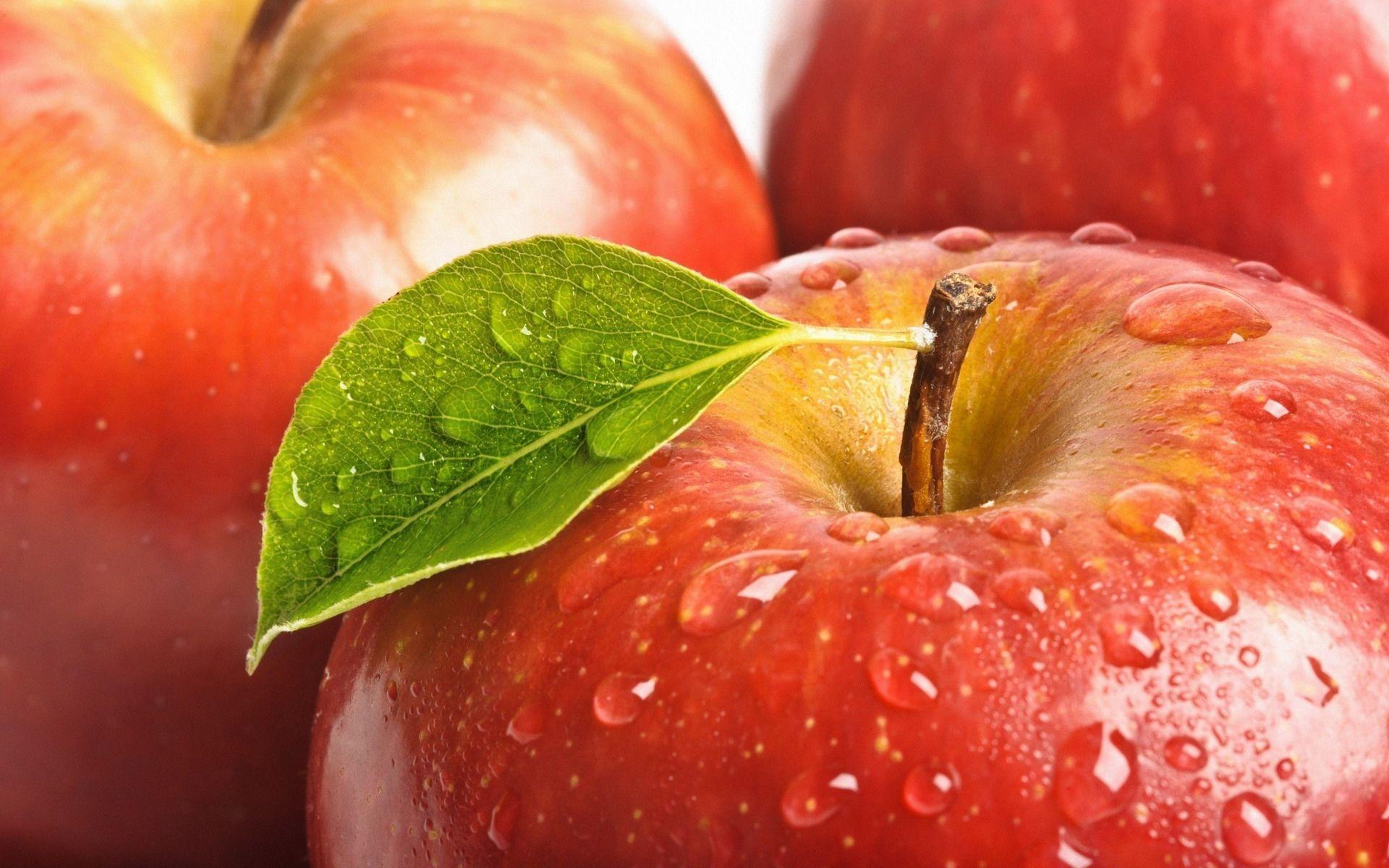
Wholesale prices surge in northern markets, southern states retain premium pricing, while producing regions begin seasonal corrections
India’s wholesale apple market entered July 2026 with a clear inflationary undertone, as average prices rose to Rs 13,983.57 per quintal, up nearly 20 per cent from Rs 11,674.19 per quintal a year ago, reflecting tightening supplies, stronger inter-state movement costs and growing demand across urban consumption centres. Yet beneath the headline increase lies a highly fragmented market where some states are experiencing record price surges while others are witnessing correctionary pressures. The most striking trend emerging from July’s wholesale market data is the widening gap between producing regions and consumption-driven markets. While the national average rose by about 4.8 per cent month-on-month, several states recorded double-digit increases, underscoring uneven supply availability across the country.
Jammu & Kashmir and Chandigarh Lead the Rally
The sharpest gains were recorded in northern India.
Wholesale apple prices in Jammu & Kashmir surged to Rs 11,220.38 per quintal, representing a remarkable 57.6 per cent increase over June and a 76.7 per cent rise year-on-year. The jump reflects tightening market arrivals ahead of the new harvest season and stronger demand from downstream consumption centres. Even more dramatic was the movement in Chandigarh, where prices climbed to Rs 21,799.88 per quintal, soaring 83.9 per cent month-on-month and 66.9 per cent year-on-year. Such a steep increase suggests significant supply-side tightening in one of North India’s major redistribution hubs. Haryana also registered substantial gains, with prices rising 25.7 per cent over June and 51.2 per cent over July 2025, reaching Rs 16,133.42 per quintal.
Together, these figures indicate that northern consumption markets are facing increasing procurement costs despite proximity to major apple-producing regions.
Uttarakhand Emerges as the Year’s Biggest Gainer
Perhaps the most eye-catching statistic in the dataset comes from Uttarakhand.
Wholesale prices reached Rs 8,648.29 per quintal, representing a staggering 126.7 per cent increase over July 2025, the highest annual increase among all reporting states. While prices remain lower than many premium consumption markets, the scale of the increase points to tightening local supplies, changing marketing dynamics and stronger demand for domestically sourced apples.
Kerala and Southern Markets Continue Premium Pricing
Southern India continues to command some of the country’s highest wholesale apple prices due to transportation costs and dependence on supplies from northern production centres. Kerala emerged as India’s most expensive apple market in July, with prices averaging Rs 23,439.61 per quintal, up 34.6 per cent from June and 22.3 per cent year-on-year.
Tamil Nadu followed closely at Rs 22,741.52 per quintal, although prices there were largely stable month-on-month and remained 5.4 per cent lower than a year ago. Karnataka maintained relative stability at Rs 15,301.19 per quintal, posting only a marginal monthly increase but remaining 18.3 per cent higher than July 2025. The data suggest that despite elevated price levels, southern markets have largely absorbed supply-side pressures without the extreme volatility seen in northern states.
Himachal Pradesh Witnesses Seasonal Correction
One of the most notable reversals occurred in Himachal Pradesh, one of India’s key apple-producing states. Prices fell sharply by 28.8 per cent month-on-month to Rs 9,453.46 per quintal, indicating increased market arrivals as the harvest season approaches. However, despite the monthly correction, prices remain 49.3 per cent higher than a year ago, highlighting the broader inflationary environment prevailing in the apple economy.
The decline may also indicate that production centres are beginning to experience fresh arrivals while consumption markets continue to grapple with tighter supplies.
Major Consumption Markets Show Mixed Signals
Among major metropolitan consumption centres, the picture is mixed. Delhi recorded a 12.1 per cent decline from June levels, with prices settling at Rs 11,766.25 per quintal. Nevertheless, prices remained 33.9 per cent higher year-on-year, indicating that recent corrections have not fully offset broader inflationary pressures. West Bengal posted a modest monthly increase but remained 12.8 per cent below last year’s level, suggesting softer demand or improved availability. Meanwhile, Maharashtra, one of the country’s largest fruit-consuming states, remained virtually unchanged month-on-month at Rs 10,511.57 per quintal, but prices were 9.5 per cent lower than July 2025, indicating relatively comfortable supplies.
Central India Shows Strong Momentum
Central Indian markets delivered some of the strongest growth rates in the country. Madhya Pradesh recorded a 13.1 per cent monthly increase and a 51.7 per cent annual rise, reaching Rs 8,198.54 per quintal. Odisha rose 10.2 per cent month-on-month to Rs 13,825 per quintal, while Rajasthan advanced 9.4 per cent monthly and 9.8 per cent annually. These increases suggest that demand remains resilient across emerging consumption centres despite elevated retail prices.
Market Divided Between Supply Regions and Consumption Centres
The July data reveal an increasingly bifurcated apple economy. Production-oriented regions such as Himachal Pradesh are beginning to experience seasonal price corrections as fresh arrivals enter markets, while distant consumption centres continue to face elevated procurement costs. Simultaneously, traditional trading hubs including Chandigarh, Haryana and Jammu & Kashmir are witnessing extraordinary price volatility, reflecting supply tightness ahead of the main harvest season. The fact that the national average remains nearly 20 per cent above last year’s level despite price declines in several major states indicates that underlying supply-demand fundamentals remain supportive of higher prices.
Looking ahead, market direction will largely depend on the pace and quality of fresh arrivals from Himachal Pradesh and Jammu & Kashmir, which together dominate India’s apple economy. If harvest volumes meet expectations, some cooling in wholesale prices is likely during the coming months. However, the sharp increases recorded across multiple states suggest that logistical costs, regional supply imbalances and strong consumer demand continue to exert upward pressure on prices.
For traders, retailers and consumers alike, July’s data underline a critical reality: India’s apple market is no longer moving in one direction. It is becoming increasingly regional, increasingly volatile and increasingly influenced by local supply dynamics rather than national trends alone.
— Suchetana Choudhury (suchetana.choudhuri@agropsectrumindia.com)