Wednesday, 8 July 2026

Sugar and bio-energy leaders transition from ethanol producers to early adopters, marking a major milestone for India’s green mobility roadmap
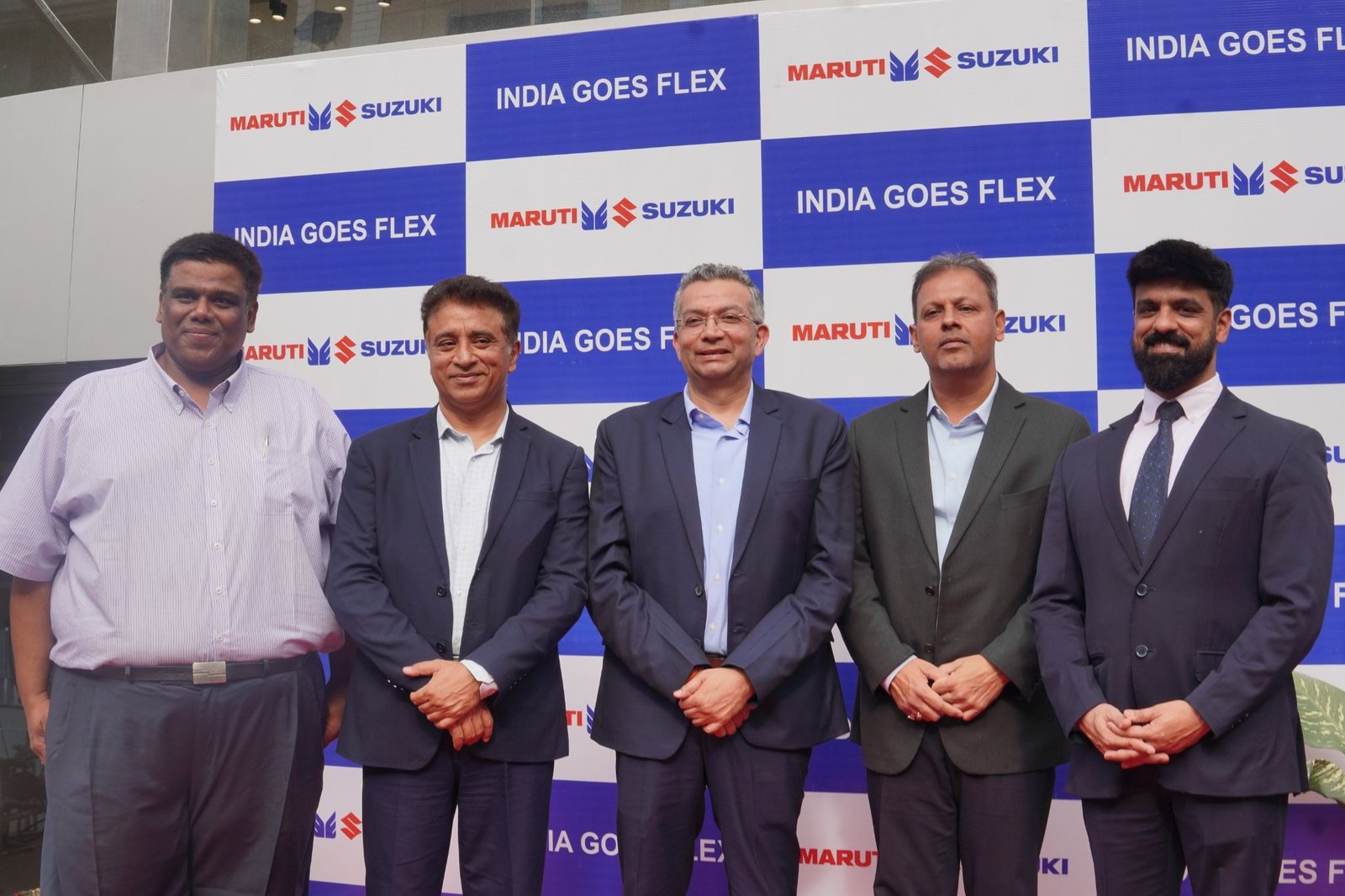
Marking a significant milestone in India’s clean mobility journey, members of the Indian Sugar & Bio-energy Manufacturers Association (ISMA) today became among the first customers to take delivery of Maruti Suzuki’s newly launched Wagon R flex-fuel at the Maruti Suzuki Showroom in Karol Bagh, New Delhi.
The landmark handover marks a significant shift for the industry as the retail availability of Maruti Suzuki’s flex-fuel vehicles expands across India. ISMA is playing a crucial role in supporting this transition by being among the first to integrate these vehicles into everyday use, demonstrating both confidence and commitment to the ethanol-based mobility ecosystem.
The Maruti Suzuki Wagon R flex-fuel vehicle is engineered to run seamlessly on ethanol-petrol blends ranging from E20 to E100, reinforcing the readiness of India’s biofuel infrastructure and automotive innovation.
Niraj Shirgaokar, President of ISMA, stated upon taking the keys: “This is a defining moment for ISMA and the wider bio-energy ecosystem. Taking delivery of these vehicles is not merely symbolic; it is a practical expression of absolute confidence in India’s ethanol journey. By adopting flex-fuel technology today, we are directly contributing to the next phase of clean mobility, reducing our nation’s crude oil import dependency, and creating a sustainable, long-term demand cycle that benefits Indian farmers.”
Deepak Ballani, Director General of ISMA, added: “Our members are leading by example. As an industry deeply intertwined with the national ethanol blending program, driving these vehicles underscores our commitment to India’s energy security. This initiative sends a clear message to automakers and consumers alike: the ethanol ecosystem is mature, reliable, and ready to power the future of Indian transport.”
As India accelerates its focus on energy diversification, ISMA’s move highlights a full-circle moment for the industry, transitioning from producers and advocates of ethanol to early adopters and users of flex-fuel technology. Beyond the environmental benefits, the transition to E100-capable vehicles strengthens the rural economy by channeling fuel expenditures back into the agricultural sector, reinforcing India’s broader sustainability goals.