Sunday, 12 July 2026

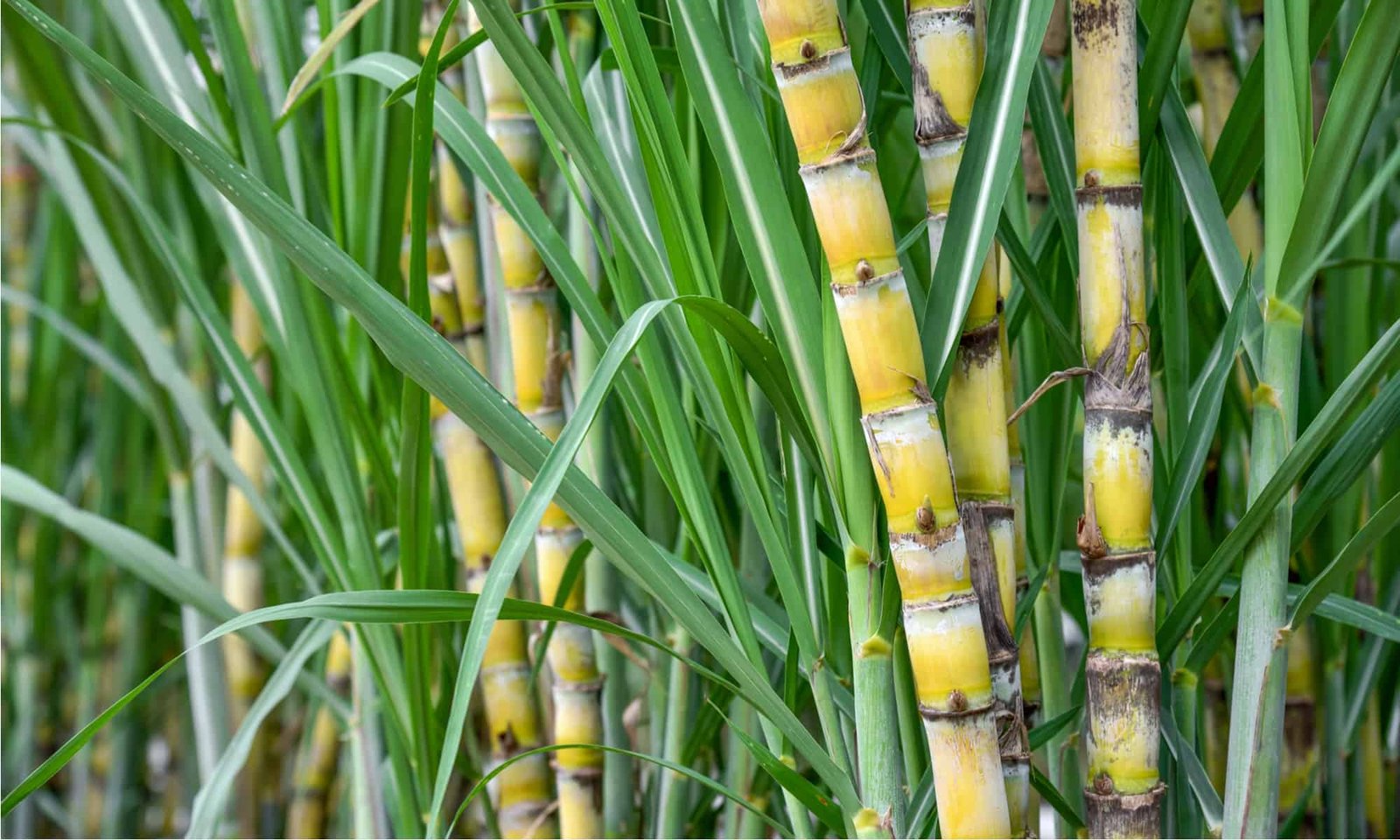
Government withdraws proposed Sugarcane (Control) Order, 2026 after widespread opposition to plans that would have expanded regulation across ethanol and khandsari sectors
The Union government has withdrawn the proposed Sugarcane (Control) Order, 2026, following strong objections from state governments, khandsari operators and farmer groups, signalling a policy retreat on a regulatory overhaul that sought to reshape India’s sugarcane ecosystem.
The Ministry of Consumer Affairs, Food and Public Distribution stated that the draft framework requires further review in light of extensive feedback received during the consultation process. The draft had been circulated for public comments with a submission deadline of May 20.
The proposed order was intended to replace the six-decade-old Sugarcane (Control) Order, 1966, and introduce a modernised regulatory architecture for the sector. Among its most consequential provisions was the proposed inclusion of the rapidly expanding ethanol and khandsari industries within the government’s regulatory ambit.
The move triggered widespread concern across key sugarcane-producing states, particularly among khandsari manufacturers and farming communities, who argued that the proposed changes could disrupt existing market dynamics and reduce competition for cane procurement.
A major point of contention centred on the draft’s revised definition of a khandsari unit. Under the proposed framework, units employing more than 10 workers and possessing crushing capacities exceeding 500 tonnes per day would fall under regulatory oversight. Existing regulations define khandsari units as enterprises employing 20 or more workers, without imposing production-capacity thresholds.
Industry stakeholders contended that the revised definition would significantly expand the scope of regulation, bringing numerous small and medium-sized processing units under compliance requirements traditionally associated with larger industrial operations.
Analysts noted that such a shift could have altered procurement patterns in several sugarcane-growing regions, where khandsari units often compete directly with sugar mills for cane supplies. Farmers have historically benefited from this competition, as khandsari operators frequently offer more attractive procurement prices and faster payment cycles than conventional sugar mills.
The withdrawal of the draft order is being viewed as a recognition of the sector’s concerns and the economic role played by decentralised, labour-intensive processing units within the broader sugar value chain.
The development also underscores the government’s increasingly consultative approach toward agricultural policy reforms, particularly in sectors where regulatory interventions have direct implications for farmer incomes, rural employment and market competitiveness.
With the proposed framework now withdrawn, policymakers are expected to revisit the draft provisions and engage further with stakeholders before considering any future regulatory restructuring of the sugarcane, ethanol and khandsari industries.