Friday, 10 July 2026

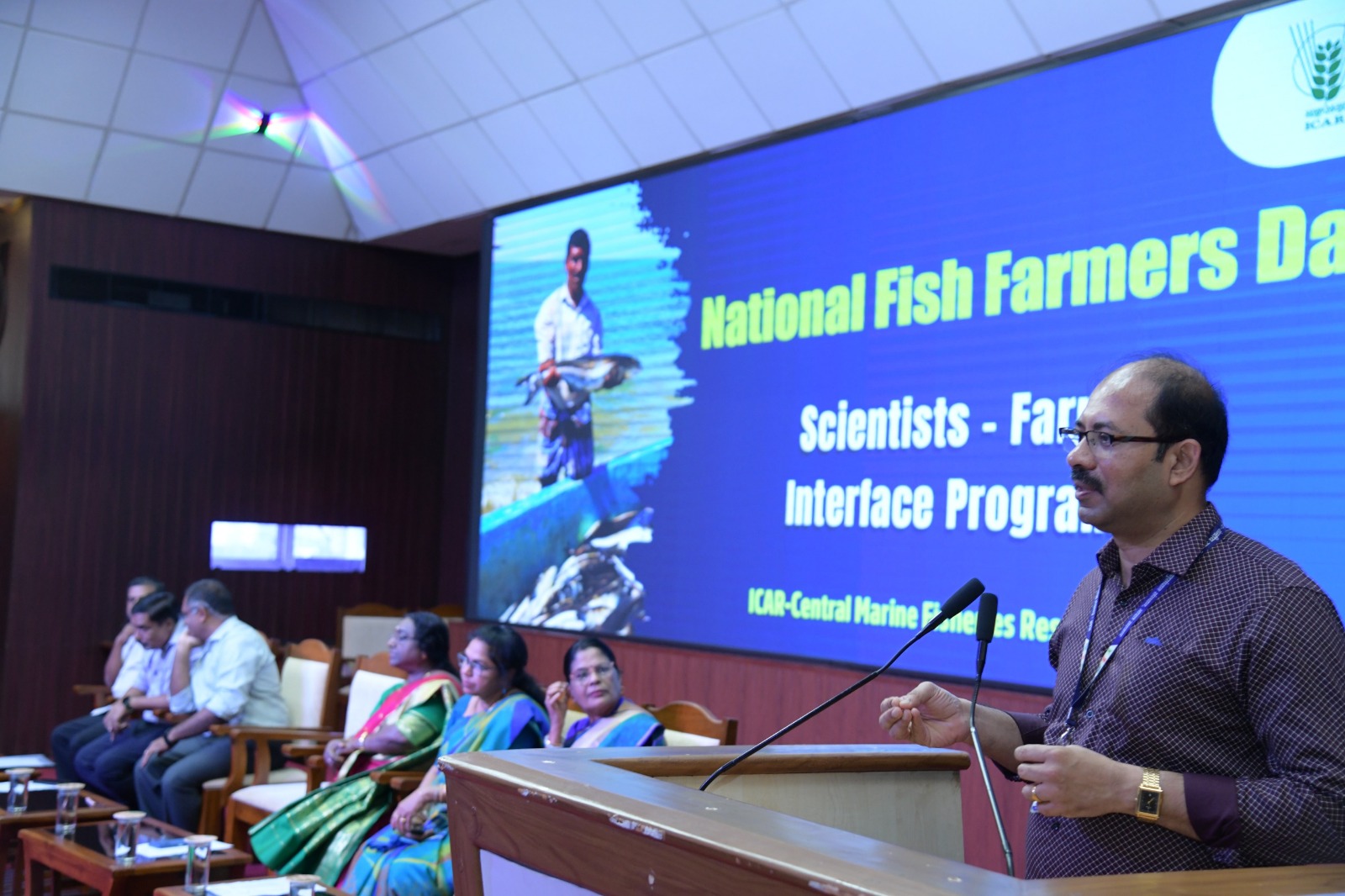
CMFRI will issue El Nino advisories to fishers and fish farmers
The El Nino event is likely to trigger immense marine heatwaves, leading to significant decline in Indian oil sardine availability next year, according to ICAR-Central Marine Research Institute (CMFRI).
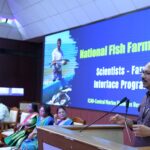
CMFRI Director Dr Grinson George said the warming associated with El Nino is expected to intensify during October-December and its impact is likely to be felt on the northern Indian Ocean by April-May in 2027. He was speaking after inaugurating the National Fish Farmers Day at CMFRI on Friday.
“Oil sardine stock is abundant this year, but the resource is likely to be affected in 2027 if the projected warming occurs. Small pelagic fishes, especially oil sardine, are the most vulnerable species to heatwaves and ocean warming”, Dr George said, adding that it would lead to reduction in overall marine fish production.
Highlighting the possible El Nino impact, he said: “Established information indicates probability of marine heatwaves, increased sea surface temperature and high salinity during April and May in 2027”.
“Sustained warming could adversely affect coral reefs, resulting in coral bleaching and reducing the natural abundance of reef-associated species such as red snapper”, Dr Grinson George said.
He also said that CMFRI would provide El Nino advisories to fishermen and fish farmers during this year itself.
Urging fish farmers to brace for the situation, Dr George said sudden rainfall following prolonged periods of high temperature and salinity could also trigger rapid salinity fluctuations, disrupting coastal aquaculture activities.
He stressed the need for continuous monitoring of ocean conditions and adaptive management to minimise the impact of climate-driven changes on marine resources and the livelihoods of fishers and coastal fish farmers.
CMFRI scientists offered technical guidance on coastal fish farming, cage fish culture, marine fish seed production, black soldier fly-based organic waste management and feed formulation, and awareness on government schemes and subsidies for fish farmers.