Tuesday, 14 July 2026

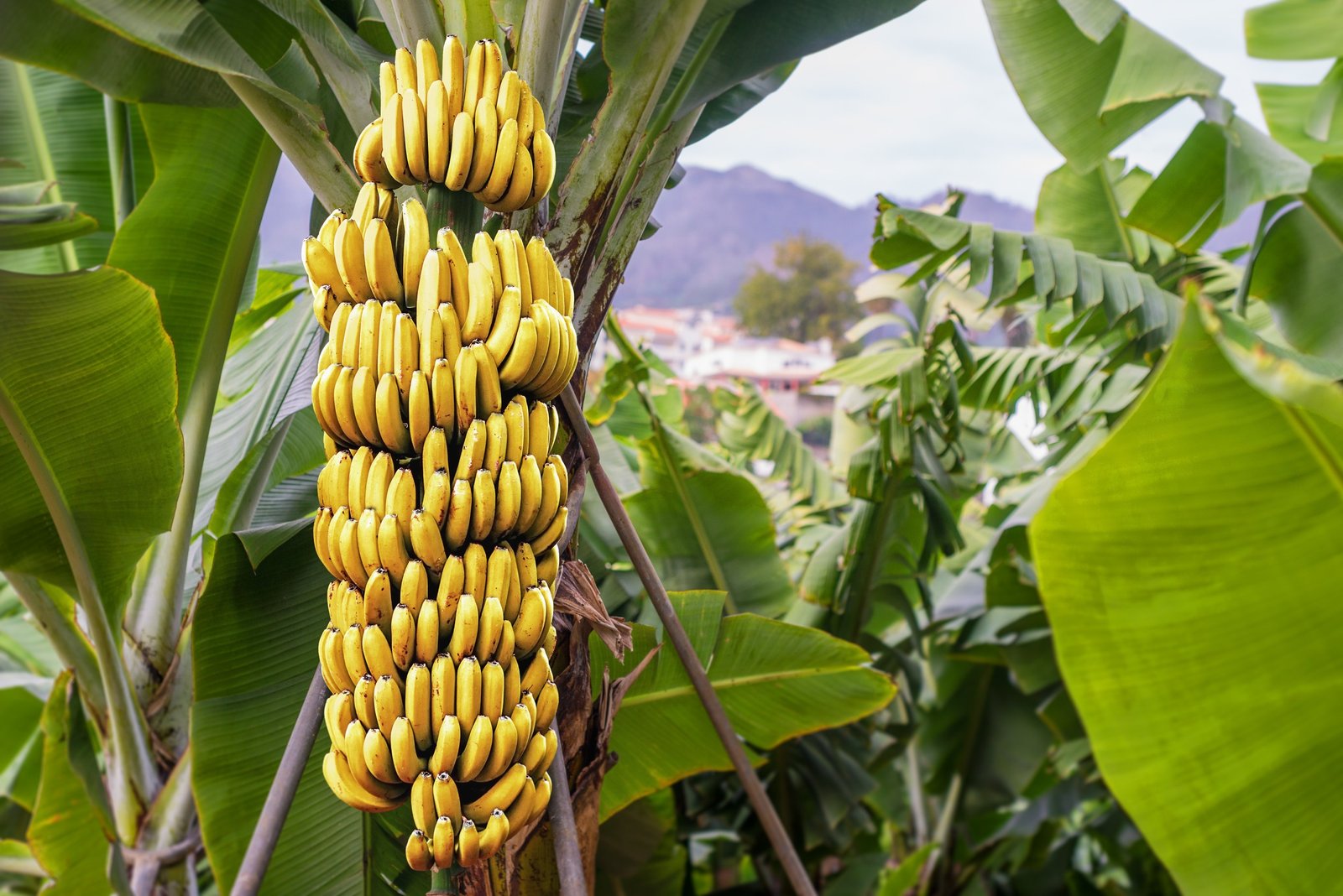
Nineteen banana varieties, including 11 farmer-developed cultivars, have already been preserved at the Trichy facility
India, the world’s largest producer of bananas, grows millions of tonnes of the fruit annually. Yet, scientists warn that many traditional and indigenous banana varieties are gradually disappearing due to changing cultivation patterns and the dominance of commercial hybrids.
To address the growing threat to banana biodiversity, the ICAR–National Research Centre for Banana (NRCB) in Trichy has established a dedicated Banana Field Gene Bank under the Protection of Plant Varieties and Farmers’ Rights Authority (PPV&FRA).
The facility will support conservation of traditional banana varieties and development of improved cultivars. According to NRCB, the initiative is expected to encourage the establishment of similar gene banks and strengthen biodiversity conservation efforts as well as protection of registered plant varieties in India.
The gene bank will conserve banana varieties developed by farmers from Trichy as well as other districts including Erode, Theni, Coimbatore, Tuticorin, and Tirunelveli, along with cultivars sourced from across the country.
The initiative also aims to recognise farmers for their role in conserving and developing banana varieties. PPV&FRA will recognise farmers as developers of specific banana varieties, grant them intellectual property rights, and reward contributions to agro-biodiversity conservation.
According to NRCB, 11 banana varieties have already been registered with PPV&FRA. These include traditional cultivars such as the golden-yellow karu vaalai from the Kolli Hills and the high-fibre chingan variety from Nagercoil, alongside several improved varieties developed by NRCB.
Scientists say the Trichy gene bank could support future biodiversity conservation efforts at a time when climate change, monoculture farming, and commercial cultivation are affecting several indigenous crop varieties across India. The facility is also expected to support research on disease-resistant and climate-resilient banana varieties while preserving traditional genetic resources.