Saturday, 11 July 2026

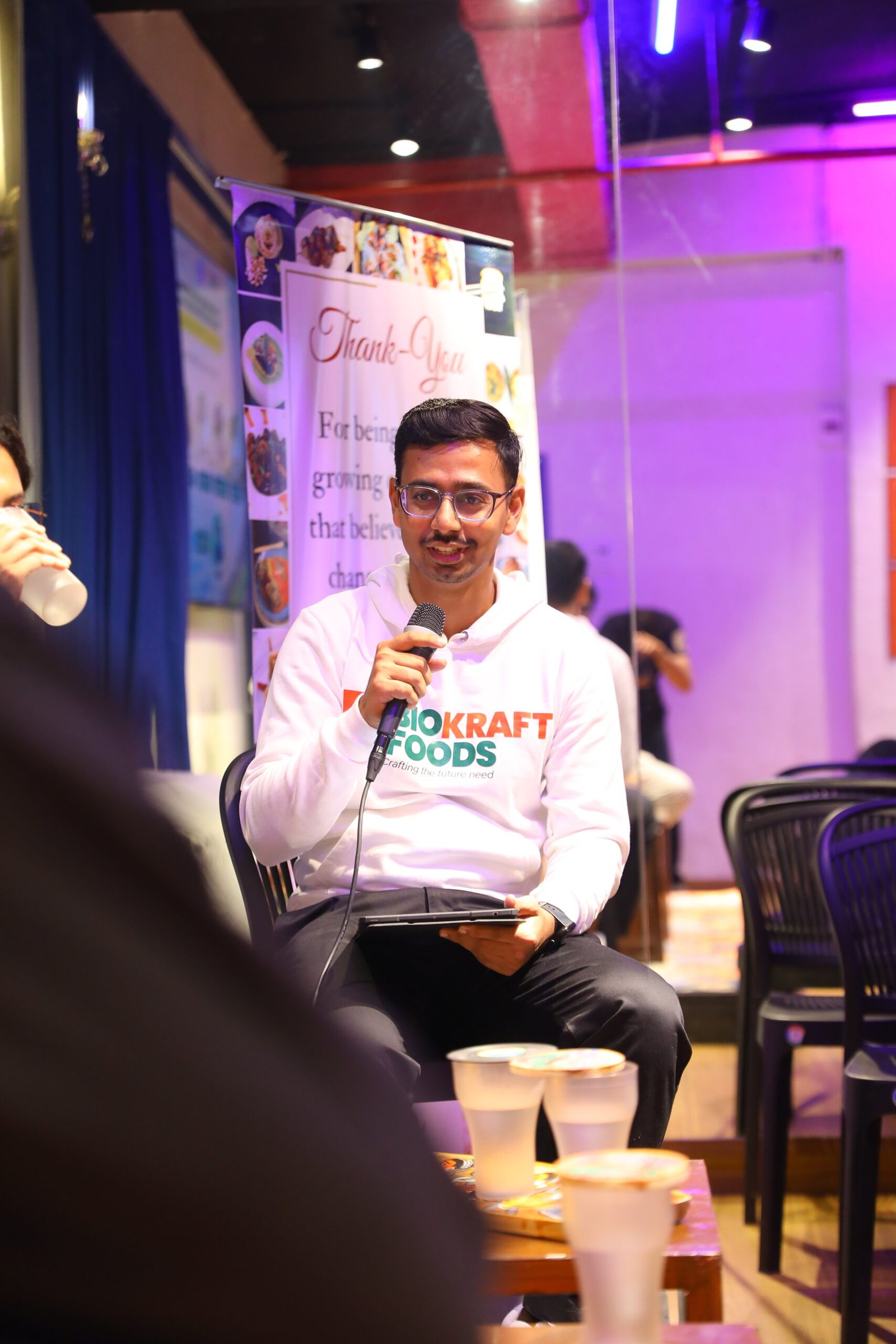
Panel discussion connects urban dining habits, data-driven climate action, and emerging food technologies
Biokraft Foods, in collaboration with Project Mumbai, hosted What We Eat, What We Become, a panel discussion and networking event during Mumbai Climate Week at 3 Art House. The session brought together food entrepreneurs, climate practitioners, conservation specialists, and data experts to examine how everyday food choices intersect with emissions, biodiversity, waste, and access to food in urban environments.
Moderated by Kamalnayan Tibrewal, Founder of Biokraft Foods, the discussion focused on practical, experience-led perspectives across the food and climate ecosystem, highlighting how cities can drive climate action through consumption patterns.
Siddhant Padte and Ajinkya More, co-founders of Nude Food Cafe, shared insights from building a zero-waste restaurant in urban India. Drawing on their operational experience, they discussed sustainable sourcing, minimal-waste kitchens, and mindful menu design as viable approaches to reducing environmental impact while maintaining familiarity and accessibility for consumers. The conversation underscored the growing role of consumer awareness in shaping more responsible dining practices and shared accountability across the food value chain.
Dipal Damania, co-founder of Naturefuture, highlighted the connection between biodiversity and resilient food systems. She emphasized that ecosystem diversity plays a critical role in soil health, climate adaptation, and long-term food security, and that integrating scientific research with local knowledge and community engagement is essential to protecting native species and sustaining agricultural systems.
Aromi Salot, Mumbai Climate Party Chapter Head and nature and impact data expert, focused on the importance of credible, measurable climate action. She outlined how data-driven approaches can help individuals and communities better understand the environmental impact of food choices, while enabling more effective, youth-led climate initiatives in urban settings.
Nirmal Topiwala, Founder of Re, brought a behaviour-focused perspective to the discussion, emphasizing the cumulative impact of small, everyday actions and the role of evidence-based thinking in building scalable climate solutions. The session reinforced the idea that meaningful change often begins with individual responsibility, amplified through collective participation.
Tibrewal also addressed the role of food technology and innovation in easing pressure on land, water, and animal resources. He highlighted emerging solutions such as cultivated meat as practical tools to meet rising food demand while improving environmental outcomes and supporting food security, without requiring drastic shifts in cultural food preferences.
A key takeaway from the discussion was that cities like Mumbai are uniquely positioned to lead climate action through daily consumption decisions, starting with what people eat. The event concluded with a networking session and a cultivated chicken tasting, featuring a dish prepared by Biokraft Foods’ NPD Chef, Demetrius D’Souza, offering attendees a tangible example of how food innovation can transition from concept to plate.
What We Eat, What We Become reinforced the idea that food is more than a daily necessity—it is a reflection of the systems, values, and futures societies choose to build. By convening voices from hospitality, conservation, data, and food innovation, the session highlighted how food choices shape personal health, urban sustainability, and the long-term wellbeing of the planet.