Tuesday, 3 February 2026

WOTR highlights the Budget’s shift toward high-value crop diversification and digital agricultural intelligence as critical enablers of income stability, resilience, and inclusion for smallholders and tribal communities

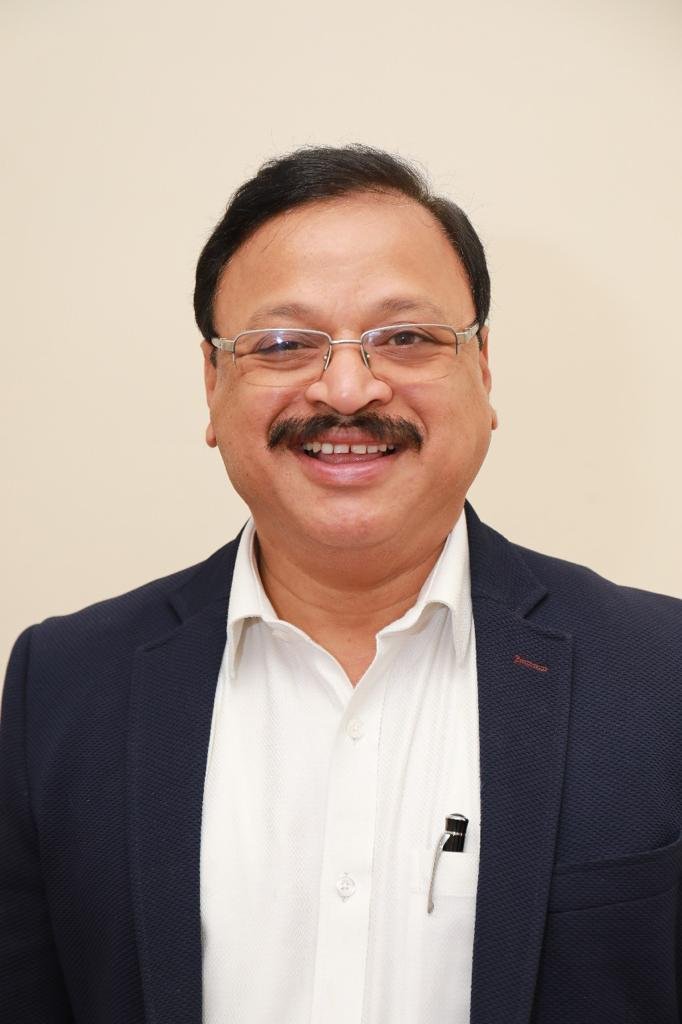
Responding to the Union Budget 2026, Prakash Keskar, Executive Director, Watershed Organisation Trust (WOTR), said the Budget signals a strategic shift in India’s agricultural policy framework—from subsistence-oriented support toward value creation, diversification, and knowledge-led productivity, with significant implications for smallholders and vulnerable communities.
“The Union Budget 2026 places strong emphasis on high-value agriculture as a mechanism to diversify farm outputs and enhance farmer incomes. The targeted focus on crops such as coconut, cocoa, cashew, and sandalwood reflects an intent to strengthen plantation-based and agro-forestry value chains. For Particularly Vulnerable Tribal Groups engaged in small-scale cultivation and primary processing, this shift could be structurally transformative. Communities such as the Soura, involved in cashew cultivation in Odisha, stand to benefit from improved access to inputs, extension services, aggregation, and market linkages, provided these interventions are designed with local ecological and socio-economic contexts in mind,” Keskar said.
He noted that diversification into perennial and high-value crops can reduce income volatility, improve resilience to climate variability, and create opportunities for decentralised value addition, particularly in rain-fed and tribal regions.
“When supported by appropriate institutional mechanisms, high-value crops can enable longer income cycles, strengthen collective enterprises, and increase participation of women and tribal households in post-harvest processing and marketing. However, the success of such strategies will depend on safeguarding land use sustainability, biodiversity, and equitable benefit-sharing,” he added.
Keskar also underscored the significance of investments in digital public infrastructure for agriculture, particularly the Bharat-VISTAAR application, which aims to integrate datasets, advisory services, and research-based knowledge.
“The allocation for Bharat-VISTAAR reflects a growing recognition that information asymmetry is a critical constraint in Indian agriculture. Digital platforms that deliver hyper-granular, customised, and real-time advisories have the potential to improve farm-level decision-making, reduce production and climate risks, and optimise input use. WOTR’s experience with the FarmPrecise application demonstrates that digital intelligence is most effective when it is grounded in agro-ecological understanding, local data, and community participation rather than generic prescriptions,” he said.
He further cautioned that technology-led interventions must be accompanied by strong institutional and capacity-building frameworks.
“Digital advisory systems will deliver meaningful outcomes only if complemented by farmer training, last-mile extension support, and trust-based engagement. Without this, there is a risk that digital tools may exacerbate existing inequalities in access to information,” Keskar observed.
Concluding his remarks, Keskar stated that the Union Budget 2026 provides a coherent policy direction, but its impact will ultimately depend on execution.
“The Budget lays a credible foundation for inclusive, climate-resilient, and knowledge-driven agriculture. Translating this vision into outcomes will require coordinated implementation across ministries, convergence with state-level programmes, and sustained engagement with community institutions to ensure that technological and market-led growth remains equitable and environmentally sustainable,” he said.