Tuesday, 14 July 2026

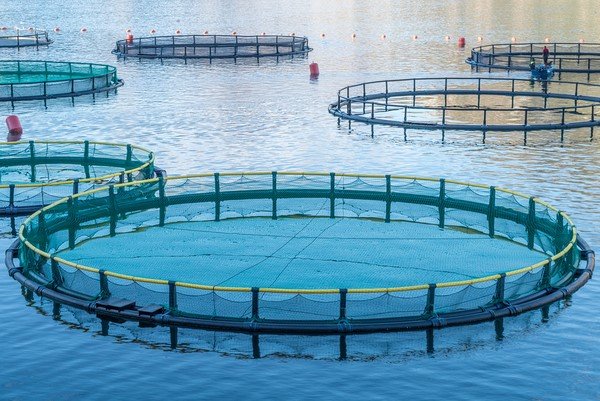
India’s aquaculture sector is entering a decisive phase of transformation, driven by rising domestic demand, strong export growth and sustained policy support.
As the world’s second-largest aquaculture producer, contributing nearly 8 per cent of global fish output, India has achieved remarkable gains in production, productivity and economic value. However, escalating input costs, climate stress and disease risks are testing the limits of conventional practices. The next stage of growth will depend on adopting sustainable, resilient approaches that improve feed efficiency, diversify farmed species and strengthen climate adaptation across production systems.
India’s aquaculture sector stands at the threshold of transformative growth. As the world’s second-largest aquaculture producer, India contributes approximately 8 per cent of global fish production, driven by domestic demand for affordable protein and a growing export market. Total fish production has reached around 195 lakh tonnes in 2024‑25, up substantially over the past decade and reflective of broad sectoral expansion. Exports of seafood products commanded around Rs 60,524 crore in 2023‑24, underlining the strategic importance of aquaculture within the national economy.
This rapid expansion has yielded meaningful socio‑economic benefits. Productivity in aquaculture has increased from about 3 tonnes per hectare to roughly 4.7 tonnes per hectare following the implementation of targeted government programmes such as the Pradhan Mantri Matsya Sampada Yojana (PMMSY). The Gross Value Added (GVA) of the fisheries sector rose from Rs 2,12,087 crore in 2018‑19 to Rs 3,68,124 crore in 2023‑24, and the sector’s share of agricultural GVA expanded accordingly.
Despite progress, challenges remain. Rising feed costs, climate variability, disease outbreaks and infrastructure gaps have exposed the limits of traditional aquaculture methods. The sector must shift to a more sustainable and resilient model based on three key priorities: feed efficiency, species diversification and climate resilience.
To read more, click: https://online.anyflip.com/unmb/kqnc/mobile/index.html