Friday, 10 July 2026

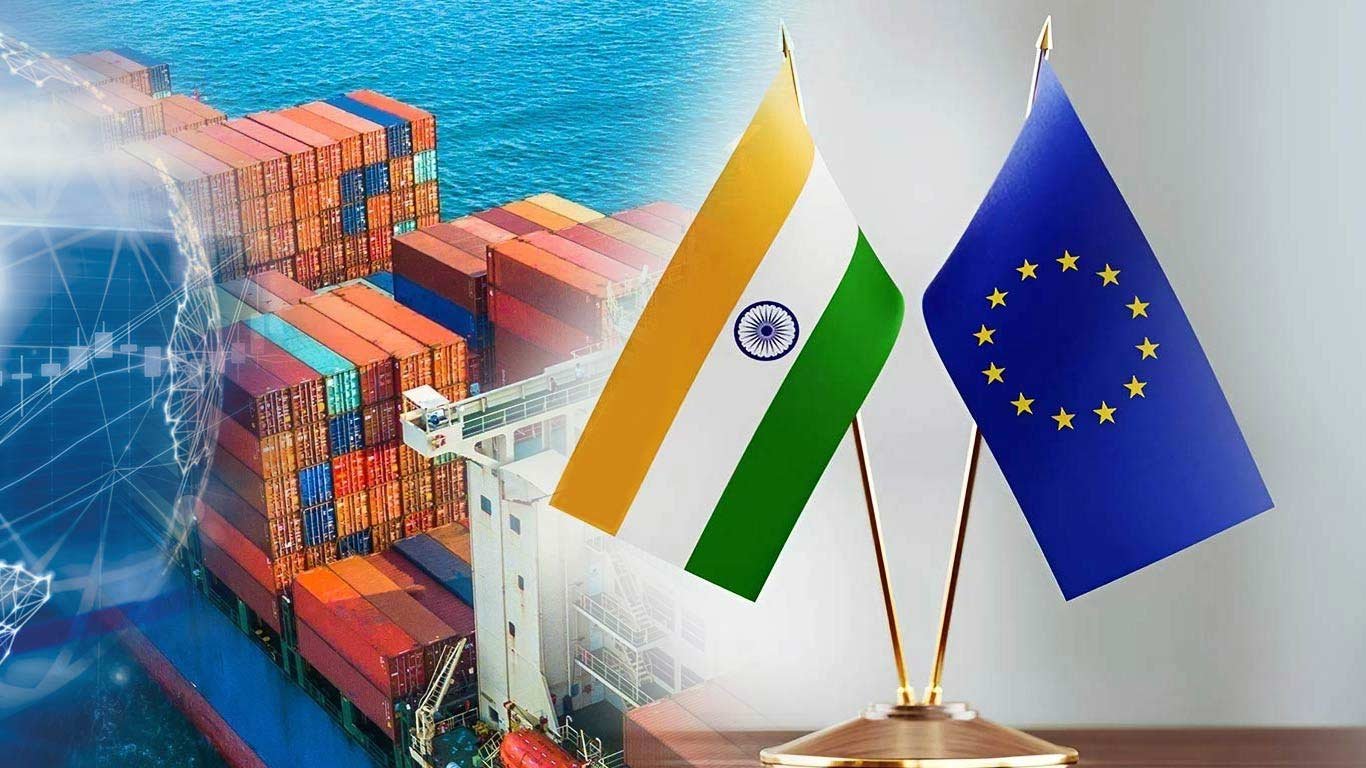
Industry leaders say improved market access under the proposed pact could unlock premium European demand for Basmati rice and high-value horticulture, boosting farmer incomes and export-led growth
The proposed EU–India Free Trade Agreement (FTA) is being viewed as a significant opportunity for India’s agriculture sector, particularly for export-oriented categories such as Basmati rice and high-value horticultural produce. Industry stakeholders believe that improved market access to Europe could help Indian farmers and agri-enterprises tap into premium demand segments that have so far remained largely out of reach.

Commenting on the development, Anand Chandra, Co-founder & Executive Director, Arya.ag, said the agreement could be a meaningful catalyst for agri-exports if it addresses existing constraints. “The EU Free Trade Agreement is a positive step. We believe it will help boost exports from India, especially in categories like Basmati rice and high-value horticultural produce. Today, EU imports of Basmati are quite limited, and it remains a sensitive category. Hopefully, the agreement will ease those constraints and allow more volumes of Basmati and horticultural products to move into European markets,” he said.
He added that closer integration with EU markets could have a direct impact at the farmgate level. “At Arya.ag, we work closely at the farmgate and see strong potential in export-quality grains and perishables that haven’t yet accessed premium global markets. With improved access and the right support systems, this FTA could change that and unlock meaningful value for farmers and FPOs,” Chandra noted.
Experts point out that while demand for Indian agri-commodities exists in Europe, regulatory barriers, quality standards, and tariff sensitivities have historically limited volumes. A well-structured FTA, combined with investments in post-harvest infrastructure, traceability, and quality assurance, could help bridge this gap—strengthening India’s position as a reliable supplier of premium agricultural produce while improving realisations for farmers.
As negotiations progress, the agriculture sector will be closely watching how market access, standards harmonisation, and safeguard mechanisms are addressed, with the potential to reshape India–EU agri-trade over the coming decade.
—- Suchetana Choudhury (suchetana.choudhuri@agrospectrumindia.com)