Sunday, 12 July 2026


How Cymbopogon martinii and other medicinal plants are turning farmers into lakhpatis while conserving biodiversity
It is dawn in Dhamtari district, and the fields shimmer with the fragrance of palm rosa (Cymbopogon martinii). Ramesh, a farmer associated with the Hill Foundation NGO, bends to inspect the blossoms. Every three months, he harvests them, dries them for twelve hours, and prepares them for oil extraction. From one tonne of flowers, six litres of palm rosa oil are produced. At Rs 4,000 per litre, the economics are striking: one acre can yield nearly Rs 1 lakh annually. For Ramesh, whose farm spans 20 acres, this crop has become a cornerstone of prosperity, requiring half the effort compared to paddy and offering far greater returns.
The Role of NGOs and the Board
Behind Ramesh’s success lies a carefully constructed support system. The Hill Foundation supplies seeds across districts, ensuring farmers have access to quality planting material. The Chhattisgarh Tribal Local Health Traditions & Medicinal Plants Board (CGTLHT & MPB) provides institutional backing, arranging pre‑market linkages, offering market intelligence, and even facilitating advance payments of up to 40 percent through schemes like Kisaan Prerna Nidhi. This ecosystem builds trust between farmers and buyers, reducing risk and encouraging investment.
Innovations in Cultivation
Palm rosa (Cymbopogon martinii) is not only profitable but also practical. Innovations such as “dhai foot spacing” allow tractors to operate between rows, reducing labour costs and mechanising operations. Oil extraction is carried out using traditional “aswan” units, blending indigenous knowledge with modern efficiency. Replanting is required only once in five years, and the crop demands half the effort compared to paddy. Climate resilience adds another advantage: medicinal and aromatic plants thrive across most of India, except in the Himalayas, making them adaptable to diverse agro‑climatic zones.
Aromatic Diversity: Beyond Palm Rosa
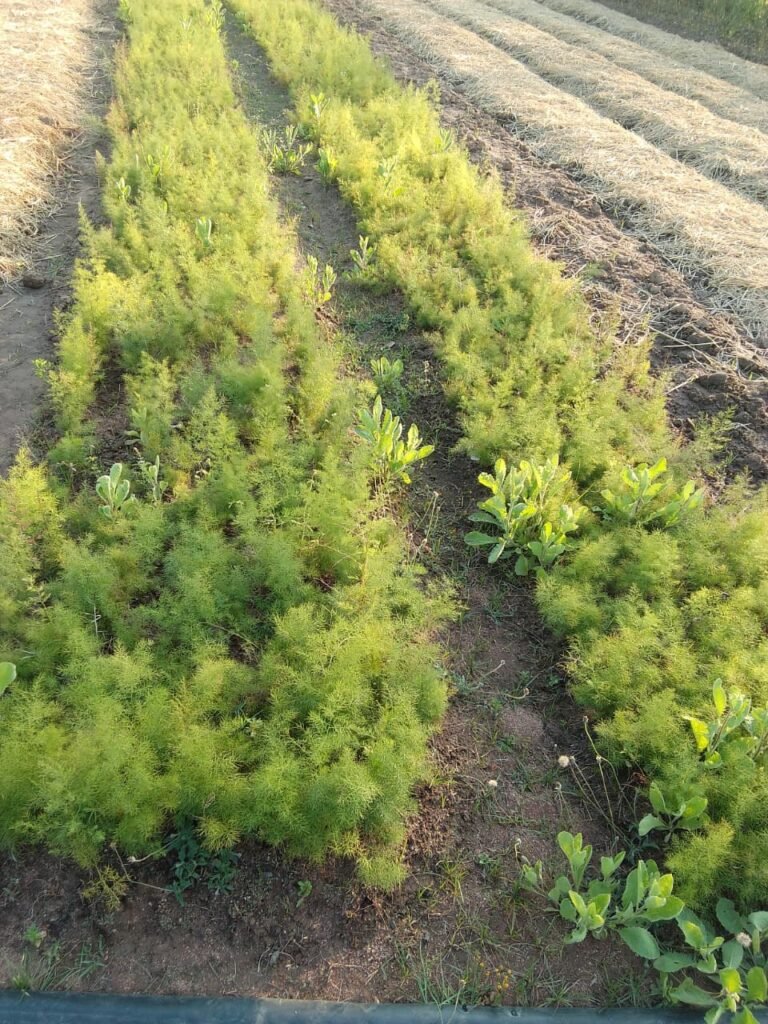
Palm rosa is one of several aromatic crops promoted in Chhattisgarh. Lemongrass (Cymbopogon citratus), prized for its citral content, is widely cultivated in Tamil Nadu and Odisha, and now thrives in Chhattisgarh thanks to the CKP‑25 variety introduced by the Board for colder regions. Kalihari (Gloriosa superba), an expensive crop with cancer‑resistant compounds, offers high‑value potential.
Shatavari (Asparagus racemosus), long used in women’s health remedies and cattle feed, is cultivated under the Special Species Scheme of the Government of India. Ashwagandha (Withania somnifera), with its minimal input costs, is being scaled up for women’s empowerment initiatives. Bach (Acorus calamus), a plant enhancing cognitive abilities, is harvested before the rains, its phytochemicals fetching Rs 80–85 per unit.
Farmers Becoming Lakhpatis
The arithmetic of aromatic farming is compelling. Raw material costs range between Rs 20,000 and Rs 30,000 per acre, while incomes reach Rs 70,000–80,000. With palm rosa (Cymbopogon martinii), the figure climbs to Rs 1 lakh per acre. Currently, 1,000 farmers cultivate medicinal crops across 1,150 acres, creating a landscape of prosperity. Investors are entering the sector, drawn by Rs 40,000 per acre investment opportunities and the promise of sustained supply chains.
Women and Herbal Gardens
Women are central to this transformation. Schemes like the Home Herbal Garden have distributed one lakh saplings, ensuring households themselves become custodians of biodiversity. Shatavari cultivation, in particular, is linked to women’s empowerment, offering both income and health benefits. Seeds can be propagated easily, and mycorrhiza reduces input costs more effectively than conventional fertilizers like DAP. These innovations make medicinal crops not only profitable but also accessible to smallholders and women farmers.
Climate Resilience and Sustainability
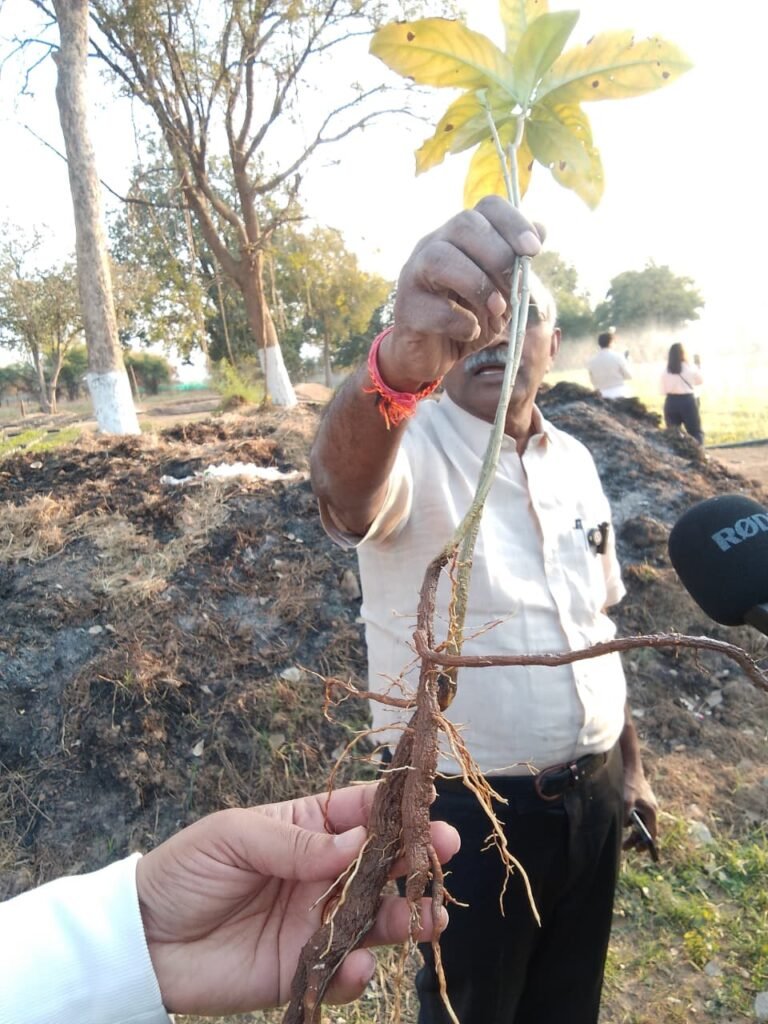
Medicinal and aromatic plants are hardy, requiring less water and offering lower carbon footprints than conventional crops. They can be cultivated across most of India, making them a climate‑resilient option for farmers facing unpredictable rainfall. As J.V.S. Rao, CEO of the Board, explains: “In the domain of medicinal and aromatic plants, we are creating health and wealth together. These crops are hardy, easy to cultivate, and can be grown across the country except in the Himalayas.”
Building Supply Chains and Market Confidence
The Board’s role extends beyond cultivation. By procuring seeds free of cost, arranging pre‑market linkages, and ensuring advance payments, it builds confidence among farmers and buyers alike. Village‑level processing units convert raw harvests into semi‑finished products, ensuring value addition remains local. For nutraceutical companies, Ayurvedic houses, cosmetic brands, and export markets, Chhattisgarh offers a reliable, traceable supply chain. Rao captures the vision: “We are not just growing plants; we are building supply chains. Biodiversity here translates into predictable margins, scalable clusters, and export‑ready products.”
Scientific and Economic Potential
The scientific names underscore the diversity and credibility of Chhattisgarh’s herbal portfolio:
Palm rosa (Cymbopogon martinii) – aromatic oil, high margins.
Lemongrass (Cymbopogon citratus) – citral‑rich, versatile in nutraceuticals and cosmetics.
Kalihari (Gloriosa superba) – medicinal alkaloids, cancer‑resistant compounds.
Shatavari (Asparagus racemosus) – women’s health, cattle feed.
Ashwagandha (Withania somnifera) – adaptogen, low input costs.
Bach (Acorus calamus) – cognitive enhancer, phytochemical value.
Together, these crops form a diversified portfolio that balances ecological resilience with market demand.
Health and Wealth in Harmony
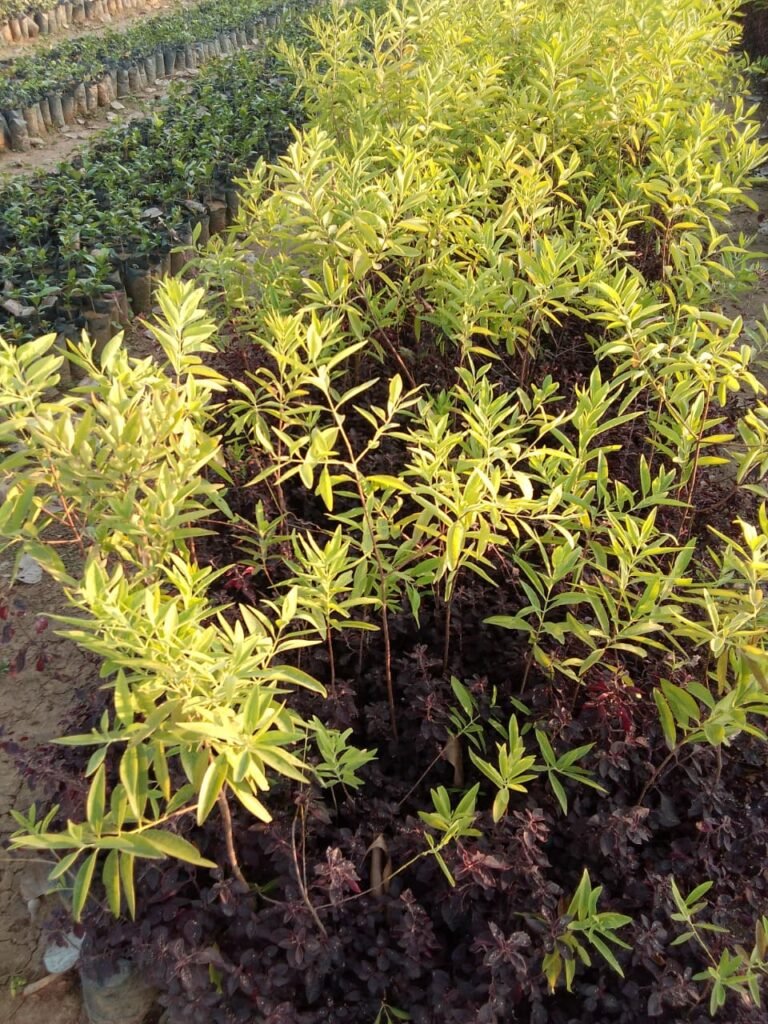
The fragrance of palm rosa (Cymbopogon martinii), the sharp tang of lemongrass, the healing touch of samudrapala — all are part of a larger story. It is a story of farmers becoming lakhpatis, of women leading herbal clusters, of biodiversity conserved and converted into prosperity. Chhattisgarh’s medicinal and aromatic plant sector demonstrates how health and wealth can be cultivated together, offering a replicable model for rural transformation across India.
— Suchetana Choudhury (suchetana.choudhuri@agrospectrumindia.com)