Thursday, 2 July 2026

Record rice output and a landmark release of climate-resilient crop varieties underscore India’s seed-led agricultural transformation, strengthening its role in global food security amid climate and geopolitical uncertainty.
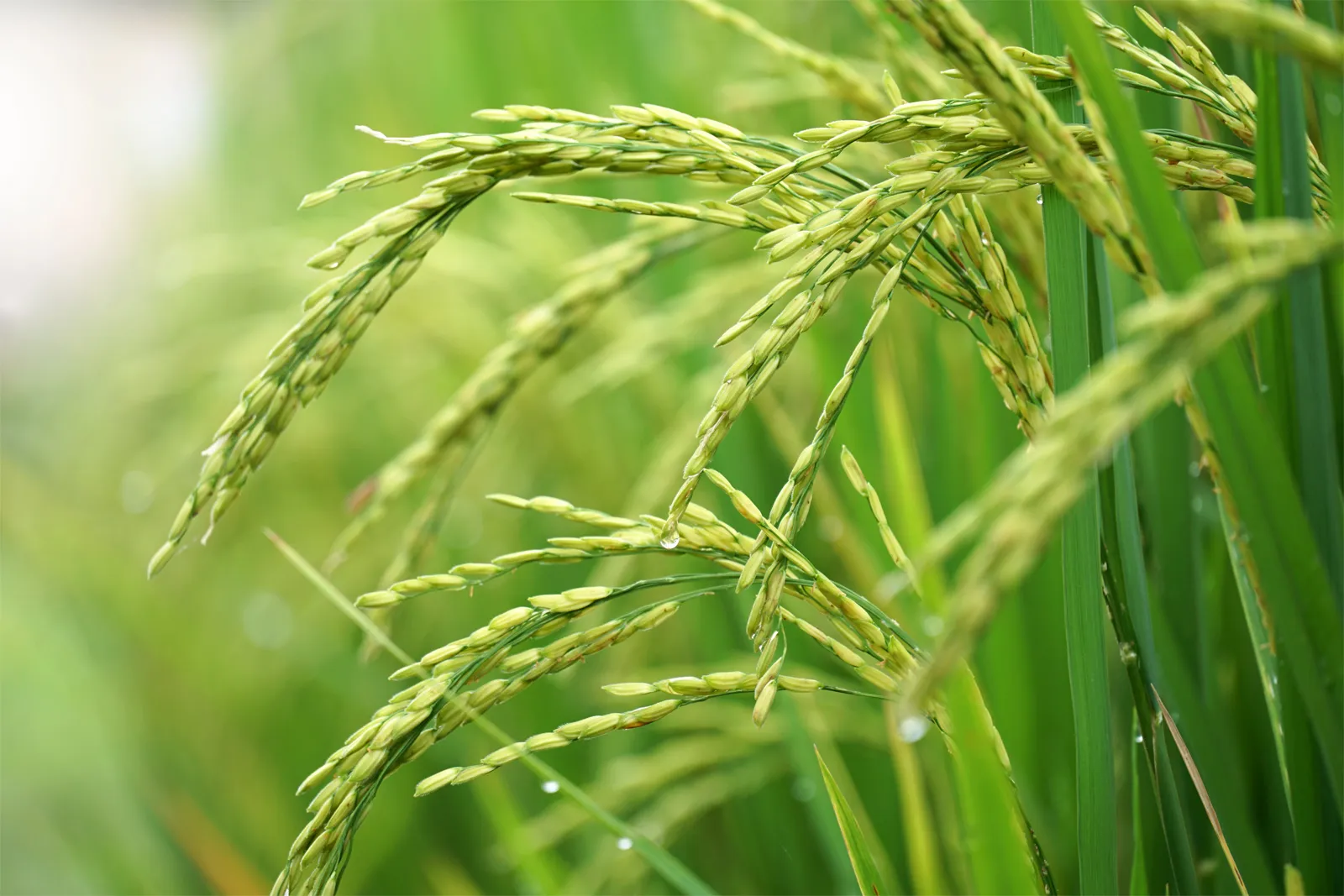
India has overtaken China to become the world’s largest producer of rice, marking a defining moment in global agriculture and reinforcing the country’s growing influence over food security and grain markets. India’s rice output has reached 150.18 million tonnes, surpassing China’s production of 145.28 million tonnes, Union Agriculture Minister Shivraj Singh Chouhan announced in New Delhi. The achievement strengthens India’s position not only as a production powerhouse but also as a critical supplier to global rice markets at a time when climate volatility and trade disruptions are reshaping food geopolitics.
The milestone was announced alongside a major push in agricultural innovation, with the Indian Council of Agricultural Research unveiling 184 improved varieties across 25 field crops. The newly released portfolio reflects a strong emphasis on boosting productivity, improving quality, and building climate resilience across farming systems. Of the total varieties released, cereals accounted for the largest share, followed by cotton, oilseeds, fodder crops, sugarcane, pulses, and a small number of varieties in jute and tobacco, underscoring India’s continued focus on staple food security while expanding gains into commercial and diversification crops.
The agriculture minister described the moment as the beginning of a new phase in India’s agricultural revolution, driven by high-yielding and climate-resilient seed technologies rather than expansion of cultivated area. He stressed that rapid multiplication and dissemination of these improved seeds is critical to ensure that farmers benefit quickly from scientific advances, translating laboratory breakthroughs into on-field productivity and income gains.
Beyond rice, the government signaled a sharper strategic focus on pulses and oilseeds, urging scientists to accelerate research and breeding efforts in these segments. Increasing domestic production of pulses and edible oilseeds has emerged as a policy priority as India seeks to reduce import dependence, stabilise prices, and improve nutritional security in the face of climate stress and global supply uncertainty.
The achievements were attributed to a collaborative research ecosystem anchored by ICAR’s All India Coordinated Research Projects, working in close coordination with state and central agricultural universities and private seed companies. This integrated public–private model has enabled faster varietal development, region-specific adaptation, and smoother pathways from research stations to farmers’ fields.
Taken together, India’s rise as the world’s largest rice producer and the scale of its latest seed releases signal a broader shift in agricultural strategy—one that places science, genetics, and climate resilience at the core of future growth. As global food systems confront mounting pressure from climate change and geopolitical disruption, India’s seed-led productivity model is increasingly positioning the country as a central pillar in global food security.