Sunday, 31 May 2026

New Energy World Mag report reveals deep dependence on fossil fuel imports leaves major economies exposed to supply shocks and price spikes.
A new March 2026 report by Energy World Mag highlights alarming vulnerabilities in global energy systems, revealing that several countries could face severe disruption if international fuel supplies are suddenly cut off. The findings come amid rising geopolitical tensions and a nearly 20 per cent surge in oil prices following recent US-Israeli strikes on Iran, underscoring the fragility of import-dependent energy markets.
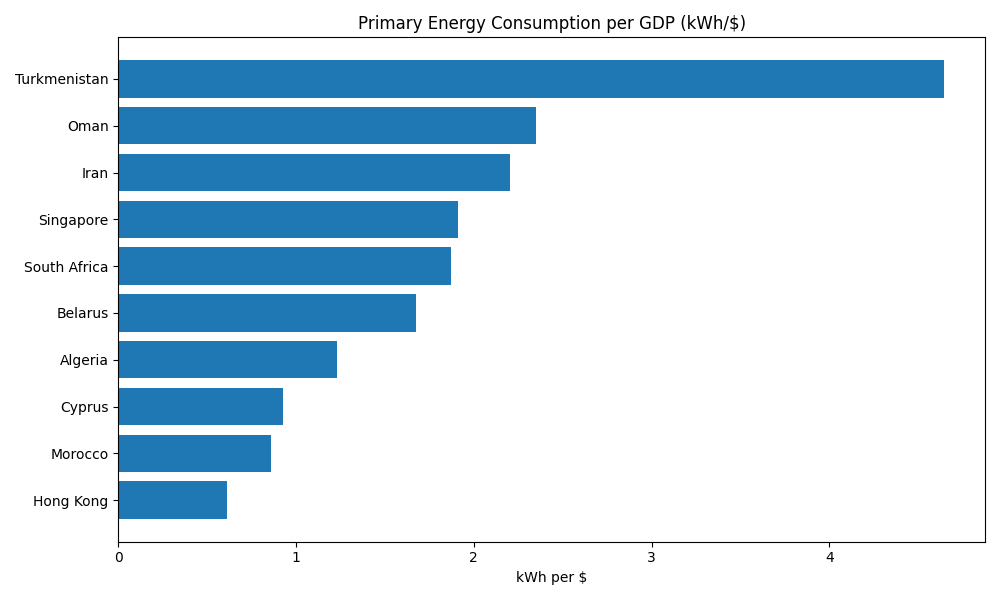
Drawing on analysis of 75 countries across seven key indicators—including fossil fuel dependence, energy self-sufficiency, and gas import reliance—the study assigns vulnerability scores on a scale from 0 to 100. The results paint a stark picture of how deeply some economies depend on external energy sources, with limited resilience in the face of supply shocks.
Singapore Tops Global Vulnerability Rankings
Singapore emerges as the most exposed country to a potential global energy collapse, with a vulnerability score of 85.2. The city-state imports 243 per cent more energy than it produces domestically, with over 97.9 per cent of its energy derived from fossil fuels. Compounding the risk, Singapore relies entirely on imported natural gas.
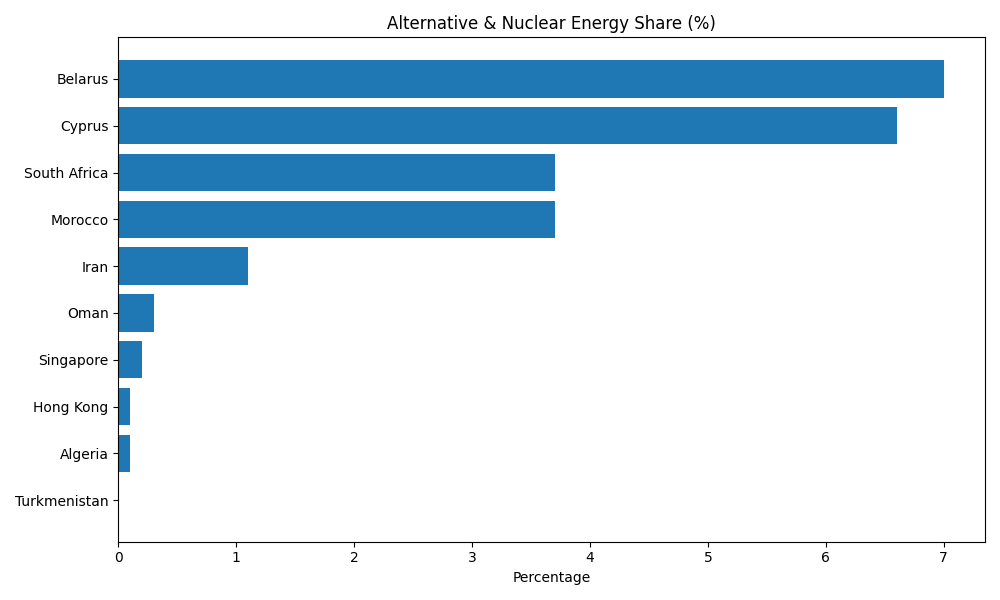
With virtually no domestic reserves and minimal diversification into alternative or nuclear energy (just 0.2 per cent of total energy use), Singapore has limited fallback options in the event of supply disruptions. Its high GDP per capita may provide some financial cushioning, but the structural dependence on imports leaves it acutely exposed to global market volatility.
Exporters Not Immune: Turkmenistan and Iran Rank High
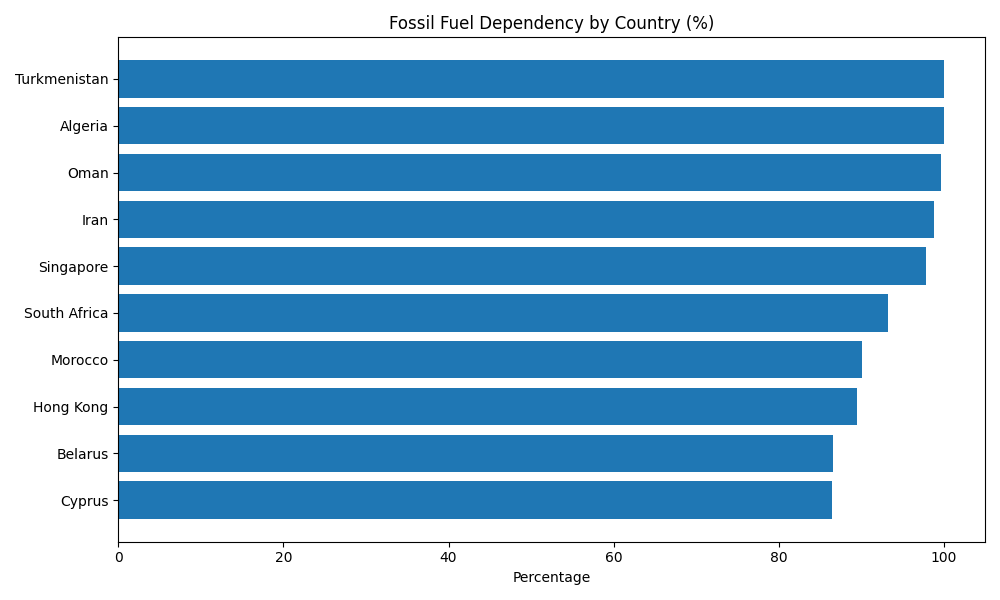
In a striking finding, energy-exporting nations such as Turkmenistan (80.7) and Iran (73.1) also rank among the most vulnerable. Despite being net exporters, both countries derive nearly 100 per cent of their energy from fossil fuels, with negligible investment in alternative sources.
This single-source dependency creates systemic risk. Even if domestic supply is abundant, shifts in global markets, infrastructure disruptions, or price volatility can have cascading economic effects—particularly in countries with limited income resilience.
Hong Kong and Morocco Highlight Import Dependency Risks
Hong Kong ranks third globally, importing 176 per cent more energy than it produces. Nearly 90 per cent of its energy mix is fossil fuel-based, and it depends entirely on imported natural gas. This leaves the city highly susceptible to international supply chain disruptions and price shocks.
Morocco, ranked fourth, imports 94 per cent of its energy and relies on fossil fuels for over 90 per cent of its power generation. With 95 per cent of its natural gas sourced externally and relatively low average incomes, the country faces significant challenges in absorbing sudden energy cost increases.
Belarus and South Africa Face Structural Constraints
Belarus rounds out the top five with a vulnerability score of 74.2. The country imports 77 per cent of its energy and 95 per cent of its natural gas, much of it from Russia. This heavy reliance has already exposed it to geopolitical risks and supply uncertainties.
South Africa (73.4), while less import-dependent, still derives over 93 per cent of its energy from fossil fuels and shows limited diversification. Its infrastructure and economic constraints further amplify vulnerability during global energy disruptions.
Broader Top 10 Reveals Systemic Weaknesses
Other countries in the top 10 include Cyprus (73.0), Algeria (72.3), and Oman (71.8), all of which exhibit high fossil fuel dependence—often nearing or reaching 100 per cent —and limited adoption of alternative energy sources. Even in cases where countries are net exporters, lack of diversification remains a critical risk factor.
Key Drivers of Vulnerability
The report identifies several core factors contributing to energy insecurity:
High fossil fuel dependence (often above 90 per cent )
Low energy diversification, with minimal renewable or nuclear capacity
Heavy reliance on imports, particularly for natural gas
Low energy self-sufficiency ratios, indicating structural deficits
Limited economic resilience to absorb price shocks
An analyst from Energy World Mag noted that lessons from the 2022 European energy crisis remain highly relevant:
“Even wealthy countries with diverse economies can face severe shortages when they depend too much on imported fuel. The difference is that places like Singapore or Hong Kong have even less room to maneuver because they produce almost no domestic energy.”
The findings serve as a clear warning: energy security is no longer just about supply, but about resilience. Countries that fail to diversify their energy mix or reduce import dependence may face disproportionate impacts in future crises.
As global energy markets grow increasingly volatile, the report calls for urgent investment in renewable energy, infrastructure resilience, and domestic production capabilities.
Source: https://energyworldmag.com/