Sunday, 12 July 2026

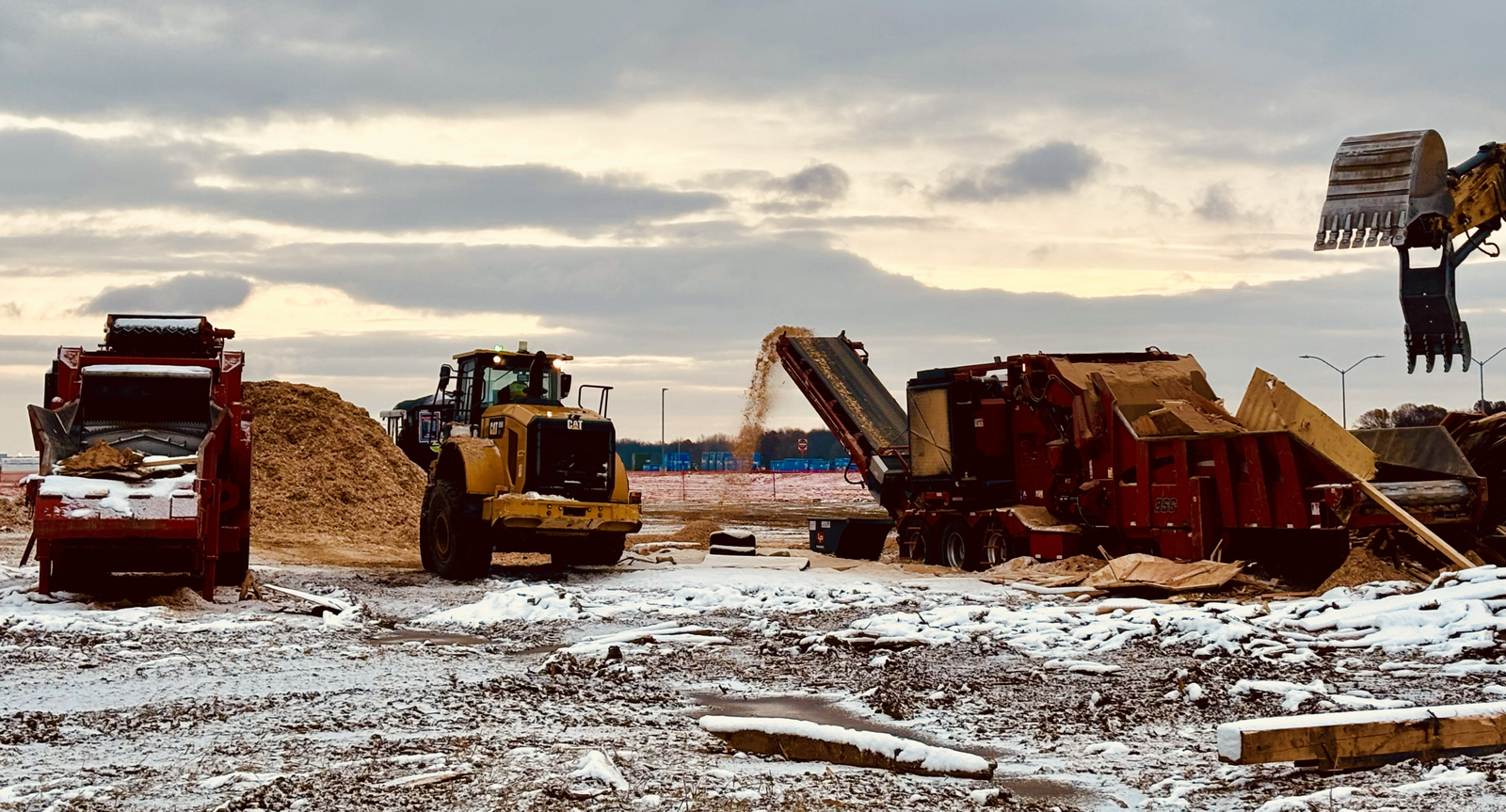
Early results show major gains in tracking waste, reducing disposal, cutting costs and improving efficiency at Ford construction project in Marshall, Michigan
Woodchuck, the AI-powered climate-tech startup redefining how construction and manufacturing industries handle wood waste, today announced a joint sustainability initiative with Walbridge, one of the nation’s top industrial and automotive constructors. The program supports Ford Motor Company’s construction waste-reduction efforts at its new manufacturing facility in Marshall, Mich.
In the first three months, the program has given teams a clearer view of the materials being discarded, diversion rates, cost reductions, and operational efficiency — already achieving 40% of the project’s projected materials-related savings. This early progress offers Walbridge a powerful solution to address customers’ waste management needs and lays the groundwork for a new standard operating procedure for future large-scale construction projects.
A Legacy Builder Confronts a Modern Waste Challenge
For more than a century, Walbridge has delivered some of the most complex automotive and industrial projects in North America. As Walbridge’s customers expand their sustainability commitments, construction waste management is a growing priority — particularly on megaprojects where the volume and variability of materials can shift daily.
On the Ford project, wood waste quickly emerged as one of the most unpredictable waste elements. Crating, dunnage, international shipping pallets, and custom rigging arrived in wide-ranging sizes and material types, creating a diverse and constantly changing waste stream. These complexities revealed opportunities for innovation.
Walbridge saw the potential to elevate efficiency, reduce hauling expenses, and strengthen alignment with Ford’s sustainability goals. The need for real-time visibility into container levels and the makeup of each load became a catalyst for adopting a smarter, data-driven solution — one that made waste handling more predictable, cost-effective and sustainable.
“Our partnership with Woodchuck is built on collaboration. Transparent and real-time communication allows our team to adapt quickly to changing material waste streams on the ground. Detailed information about each load provides complete visibility not only into what is diverted from a landfill, but also into its end destination and intended use, delivering transparency and enabling measurable sustainability outcomes,” said Sander Mathijs, Walbridge Sustainability Manager. “Another key program feature is its ability to scale, allowing us to calibrate capacity and scope to meet the waste-diversion needs of the project.”
Woodchuck’s AI Platform Delivers Immediate, Scalable Impact
Woodchuck.ai leverages its AI platform across the Ford project to track, report and validate the diversion of wood, cardboard, plastic, and metal; all with minimal onsite labor and seamless integration into Walbridge’s existing workflows.
Walbridge saw meaningful improvements within the first quarter, diverting thousands of tons of wood, cardboard, plastic and metal; reducing waste, reducing landfill dependency, and reducing costs. Over the course of the project, Woodchuck will divert 8,000 tons of wood and 1,000 tons of cardboard, plastic, and metal from landfills.
Woodchuck’s detailed reporting also strengthens accountability, giving Walbridge clear data documenting recycling and reuse for both internal tracking and customer sustainability documentation. Because the Woodchuck platform is designed for large, multi-phase construction programs, the improvements seen at the Marshall project can be replicated at scale.
Whether deployed on a single megaproject or rolled out across multiple sites, contractors gain the same visibility, control, and cost efficiencies, making the solution a powerful model for nationwide waste management and sustainability performance.
“Our partnership with Woodchuck has been a game-changer,” said Ross Linton, Group Vice President, Walbridge. “In just a few short months, they’ve helped us transform our waste process to one that’s measurable, trackable, and easily managed. Our team is empowered to plan ahead, driving efficiency and sustainability. We’re excited about the future possibilities this collaboration brings.”
Creating a New Standard for Future Walbridge Projects
Based on early results, Walbridge expects the Woodchuck-enabled process to become a foundation for future large-scale builds across automotive, manufacturing, technology, and advanced industrial sectors.
“Walbridge is demonstrating what it looks like when a contractor treats waste as a strategic input rather than an afterthought,” said Todd Thomas, CEO of Woodchuck. “By embracing real-time data, AI-enabled insights, and a commitment to measurable sustainability outcomes, they’re proving that smarter waste management isn’t just good for the environment — it’s good for productivity, cost efficiency, and project certainty. Their leadership on Ford’s Marshall project shows what’s possible when innovation becomes part of the construction workflow, and they’re setting the pace for how the industry will operate going forward.”