Saturday, 20 June 2026

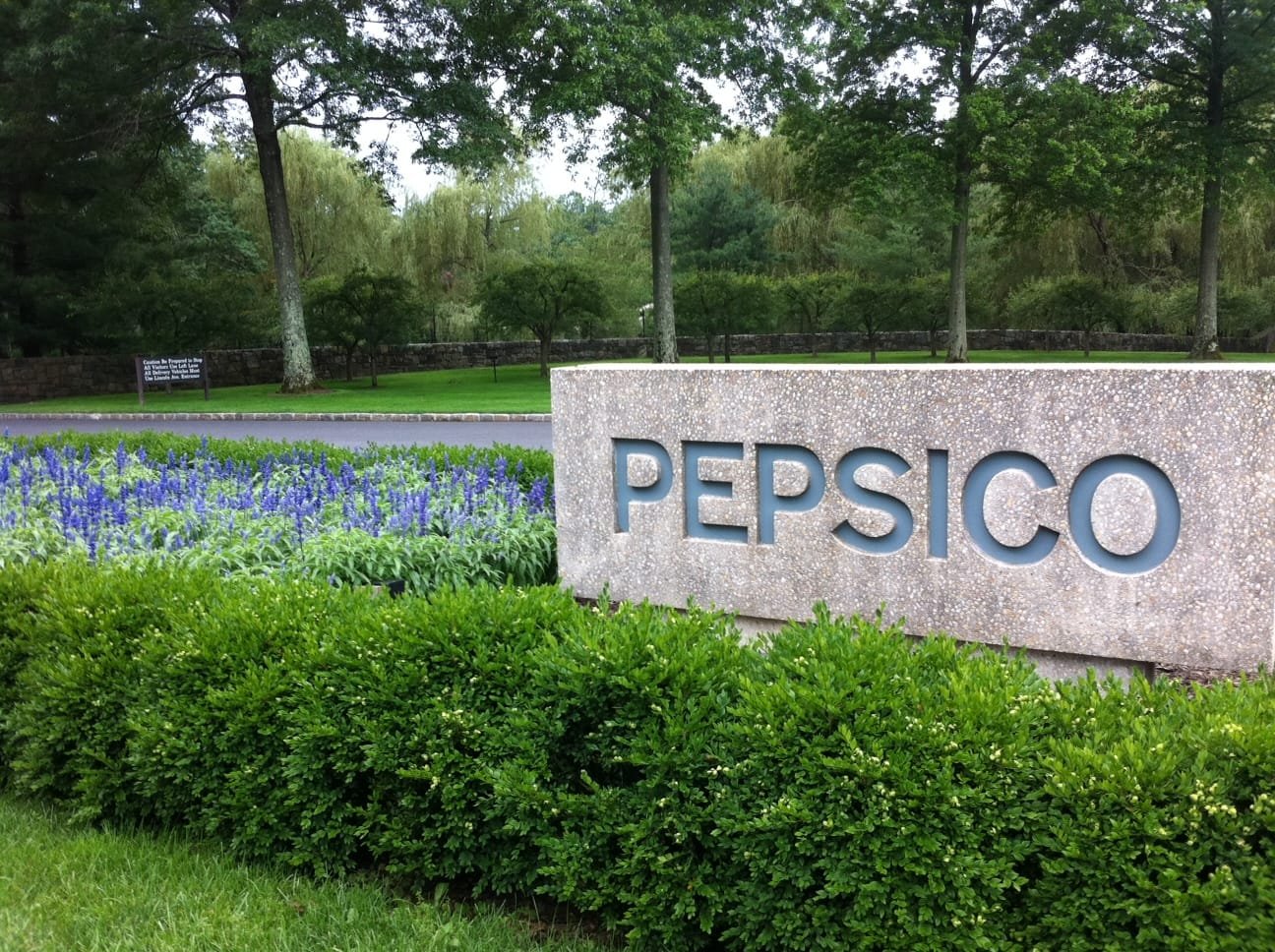
Five new international field trials aim to strengthen soil resilience, reduce climate risk, and advance PepsiCo’s 10-million-acre regenerative agriculture goal by 2030.
In a significant step toward climate-resilient food production, PepsiCo and the National Geographic Society have awarded five new global research grants aimed at accelerating regenerative agriculture across major crop systems including wheat, maize, potatoes, soy, and coffee.
The initiative advances PepsiCo’s commitment to expand regenerative, restorative, or protective practices across 10 million acres by 2030, reinforcing the company’s strategy to align supply chain resilience with measurable climate outcomes.
Food for Tomorrow: Linking Science to Scale
The grants are part of Food for Tomorrow, a collaboration launched in 2025 that integrates scientific research, storytelling, and education to catalyze transformation across the global food system. The newly selected Explorers were chosen from applicants spanning 140 countries and will conduct on-farm trials across the United States, Spain, Ethiopia, and Indonesia.
Unlike controlled lab studies, these projects focus on real-world farming environments — delivering science-backed guidance that producers can apply under actual climate stress conditions.
Soil Health at the Center of Climate Strategy
Ian Miller, Chief Science and Innovation Officer at the National Geographic Society, emphasized the interconnected stakes:
“Regenerative agriculture is deeply connected to safeguarding freshwater systems, restoring biodiversity, reducing carbon footprints, and protecting irrecoverable carbon reserves.”
The research reinforces growing consensus among scientists and investors that soil health is foundational to climate mitigation, biodiversity restoration, and water resilience — three pillars increasingly tied to regulatory frameworks and ESG performance metrics.
From Sustainability Pledge to Operational Imperative
For PepsiCo, regenerative agriculture is no longer experimental — it is strategic.
Jim Andrew, Executive Vice President and Chief Sustainability Officer at PepsiCo, framed the urgency:
“Farmers get one chance each season to make a crop succeed. Science-backed practices build the confidence needed to strengthen both food system resilience and farmer livelihoods.”
Climate volatility is already impacting yields and supply chain stability. For multinational food companies, regenerative adoption is directly linked to: Scope 3 emissions reduction; supply chain risk mitigation; long-term input cost stability; investor scrutiny and ESG performance
Research Across Climate Hotspots
The funded projects address diverse agricultural systems and stressors:
Wisconsin, U.S. – Biodiversity corridor restoration and prairie-based regeneration models.
Wisconsin potato systems – Nitrogen-fixing alfalfa rotations to reduce moisture stress and improve yields.
Spain – Biochar, cover crops, and microbial soil amendments tested under drought and irrigated conditions.
Ethiopia – Regenerative coffee-potato intercropping with microbial soil analysis.
Indonesia – Intercropping maize with sacha inchi, integrating DNA metabarcoding and AI-enabled farmer advisory tools.
Each project aims to generate replicable, economically viable models for farmers operating in climate-vulnerable regions.
Science Meets Storytelling
Since mid-2025, additional Explorers have documented agricultural transitions across 12 countries and 13 crop systems. Their work will culminate in multimedia exhibitions, journalism initiatives, and digital campaigns later in 2026 — broadening public understanding while reinforcing adoption pathways.
An interactive data visualization platform is also slated for release this year, designed to translate complex soil and climate data into practical insights for farmers, policymakers, and corporate supply chain leaders.
Why It Matters for Executives and Investors
Regenerative agriculture is rapidly shifting from pilot programs to strategic necessity. Extreme weather, water scarcity, and soil degradation are intensifying operational risk across global commodity markets.
Evidence-based regenerative practices — improving soil carbon sequestration, water retention, and biodiversity — offer dual returns: Environmental resilience; Financial durability
By pairing scientific validation with corporate procurement power, PepsiCo and the National Geographic Society are positioning regenerative agriculture as both a climate solution and a supply chain safeguard.
As climate pressures mount, scalable regenerative models may determine not only farm productivity — but the long-term stability of global food systems.