Saturday, 18 July 2026

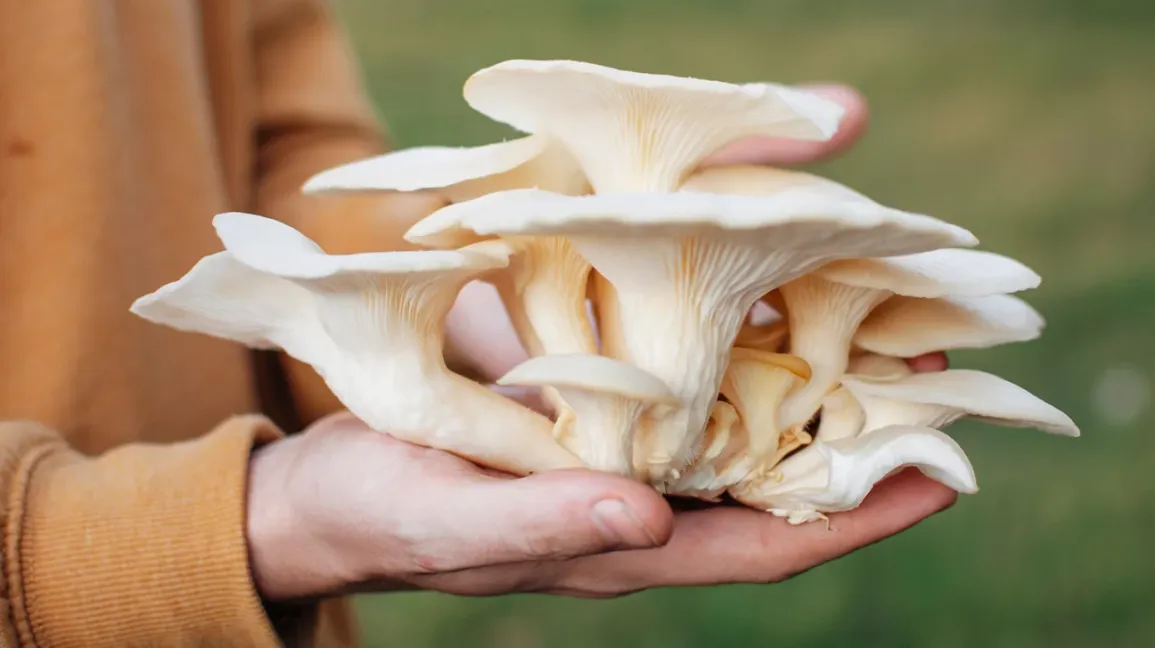
A mushroom hybrid is a genetically improved strain developed by crossing two compatible parental strains of the same species or closely related species. The goal of hybridisation is to combine the best traits of each parent to produce mushrooms that are superior in growth, yield, quality and resilience.
Unlike conventional single-strain cultivation, which relies on pure strains with fixed characteristics, hybrids are specifically designed to maximise performance under both controlled and field conditions. Hybrids are created to grow faster and produce multiple flushes, which allows farmers to harvest more in a shorter period. They also produce larger, more uniform fruiting bodies, which improves marketability and consumer appeal. In addition, hybrids are often resistant to common fungal and bacterial diseases and pests, reducing crop loss and the need for chemical treatments.
Hybridisation in mushrooms involves a complex fungal life cycle, including monokaryotic (single-nucleus) and dikaryotic (two-nucleus) stages. The challenge lies in ensuring compatibility between monokaryons and successful dikaryon formation, which directly affects fruiting efficiency, uniformity, and genetic stability.
Successful hybridisation produces mushrooms that not only maintain desirable traits consistently over generations but may also exhibit hybrid vigor, with enhanced growth rate, stress tolerance, and overall productivity. In addition to agricultural benefits, hybrids are increasingly developed to enhance nutritional and medicinal properties. For example, hybrid strains of Pleurotus, Ganoderma and Agaricus are being bred for higher protein content, polysaccharides, antioxidants and bioactive compounds, making them valuable for health-conscious consumers and nutraceutical applications.
To read more, click: https://online.anyflip.com/unmb/kqnc/mobile/index.html