Monday, 6 April 2026

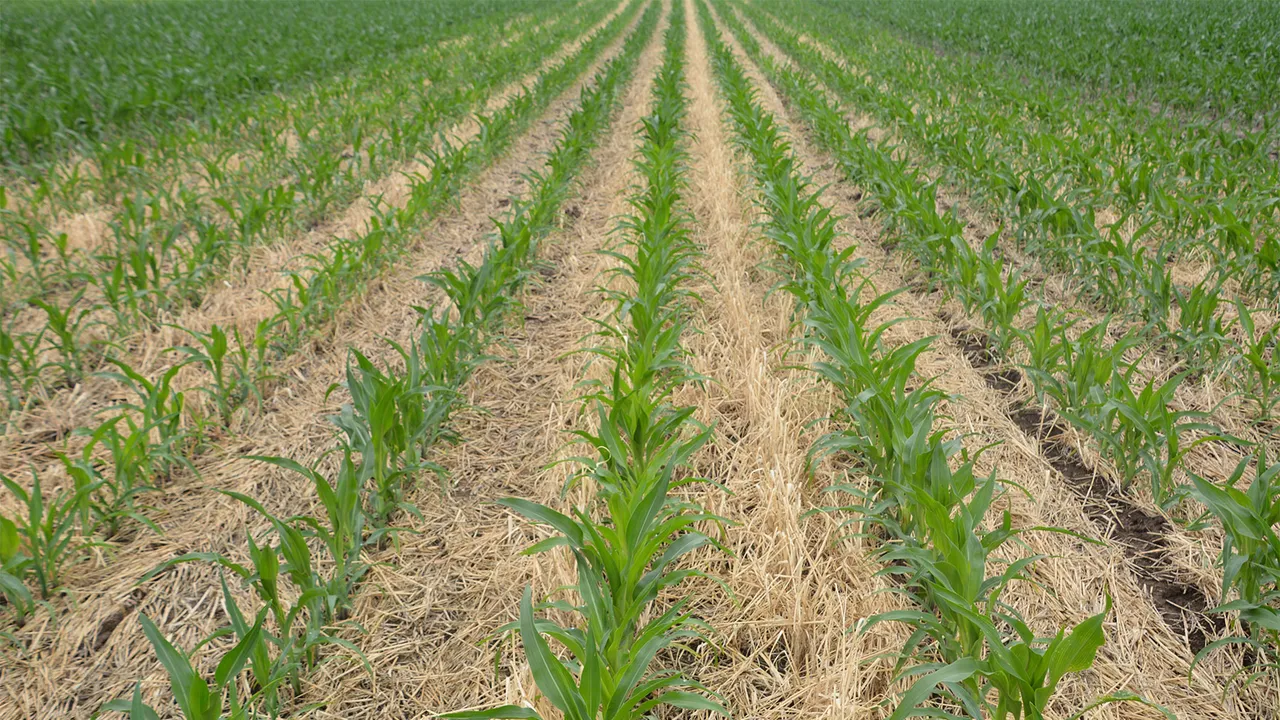
Kellanova, the global food company formerly known as Kellogg, has announced a strategic partnership with Varaha, Asia’s leading carbon removal developer, to deploy a large-scale regenerative corn farming and carbon dioxide removal (CDR) initiative in India. The collaboration marks one of the most ambitious corporate insetting programmes in the country’s agricultural sector.
Under the five-year agreement, the two organisations will implement a regenerative farming programme across 12,500 acres of corn farmland in Maharashtra, directly engaging a network of 5,000 smallholder farmers. The project is designed to mainstream sustainable agricultural practices such as in-situ residue management, raised-bed planting, cover cropping, and advanced nitrogen-use optimisation—measures that collectively strengthen climate resilience and enhance regional food security.
By shifting farmers toward environmentally responsible cultivation methods, the initiative aims to deliver measurable improvements in soil health, increase yields, and reduce dependence on synthetic fertilisers. These agronomic gains are expected to simultaneously improve farmer livelihoods and contribute to broader climate-positive outcomes.
The programme is projected to remove 100,000 tonnes of CO₂e over its duration. This carbon benefit will contribute directly to Kellanova’s Scope 3 decarbonisation targets and reinforce the company’s global commitments to sustainable sourcing.
To ensure scientific rigour and accountability, Varaha will deploy its advanced digital monitoring, reporting, and verification (MRV) platform to track progress at the level of every acre. The two partners also plan to work with scientific institutions to advance research on improved crop management, with a particular focus on mitigating aflatoxin contamination—one of the persistent risks in corn production.
With this initiative, Kellanova and Varaha are positioning regenerative agriculture as a business-aligned climate solution, setting a model for how corporate supply chains can integrate carbon removal, digital transparency, and farmer-centric development at scale.