Wednesday, 15 July 2026

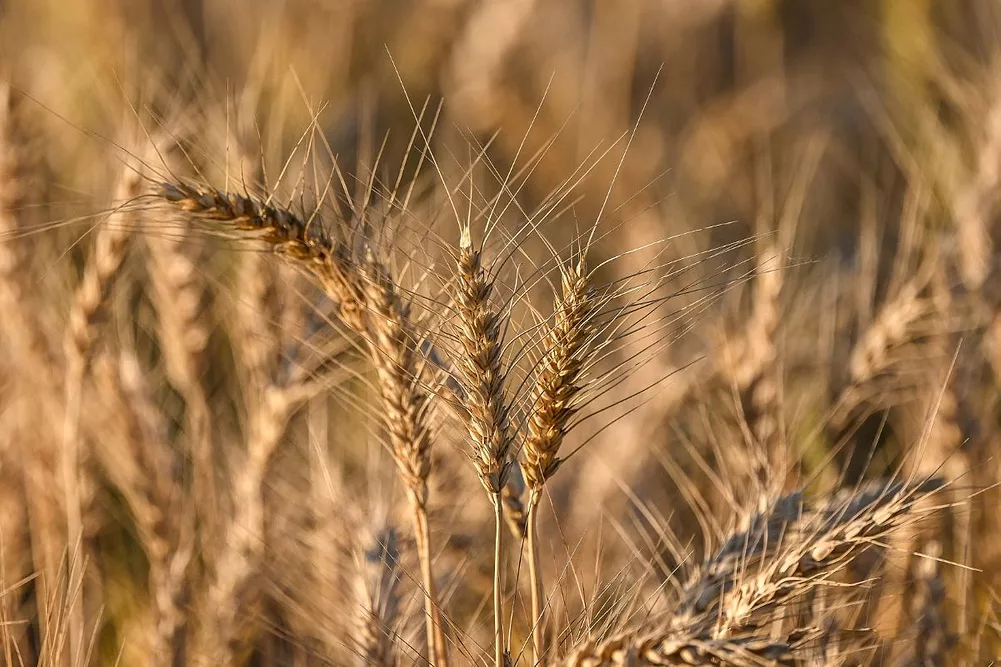
Global agritech major Corteva Agriscience is embarking on a long-term strategy to introduce hybrid wheat tailored specifically for Indian conditions, with commercial seeds expected within the next 10 to 15 years. The company has already begun investing in India-focused germplasm under a new sterility system for hybrid wheat, positioning the country as a top deployment market for the technology.
Hybrid wheat is expected to significantly raise per-acre productivity, a crucial advantage for India as it balances the dual challenge of increasing grain output and reallocating farmland to other strategic crops. Higher wheat yields could allow acreage to shift toward corn for India’s ethanol transition and mustard for edible oil, as well as future sustainable aviation fuel pathways.
Corteva’s leadership views India as being at a strategic turning point for global food and fuel supply. With the country largely self-sufficient in rice and wheat, and strengthening its export potential in fruits, vegetables, corn and low-carbon fuels, technological intensification is seen as the only viable route to sustaining food security amid climate stress, pest resistance and the expected addition of two billion people globally over the next quarter century. Corteva’s integrated portfolio of seed technologies, crop protection and biologicals is designed to help farmers maximise every hectare in this environment.
The company’s India strategy is built around its 150 million smallholder farmers, most cultivating less than two hectares. Corteva’s India business has grown at a 12 per cent CAGR, supported by a value-sharing model that distributes the gains from higher yields across farmers, the value chain and the company itself. Current technologies are delivering 15–20 per cent yield improvements for smallholders, with some innovations increasing incomes by 20–30 per cent on typical 0.3-hectare farms. The company considers this shared-benefit structure essential for both commercial sustainability and farmer adoption.
Beyond hybrid wheat, Corteva is scaling several high-opportunity platforms in India. Corn acreage is projected to increase by about 15 per cent over the next two years driven by ethanol and protein demand, and new rainy-season corn hybrids will be introduced shortly. In mustard, Corteva launched its Clearfield hybrids this year and is preparing for multi-year scaling. The company also sees substantial room for growth in hybrid rice, where India’s adoption rate remains in low single digits, and plans to introduce its most advanced global technologies to accelerate yield gains. Its crop protection pipeline, combining traditional chemistry with biologicals, is also being expanded to address resistance challenges, and AI-enabled discovery platforms are being deployed to shorten development cycles across seeds, chemistry and biologicals.
Corteva invests approximately $ 1.4 billion annually in global R&D and has operated in India since 1972, maintaining two major research hubs in Telangana. While the company has not disclosed specific investment figures for the hybrid wheat programme or its broader India commitments, these initiatives form part of a multi-decadal strategy aligned with India’s food-security and climate-resilience goals. Globally, Corteva is on track for 5 per cent net sales growth in 2025.