Friday, 3 July 2026

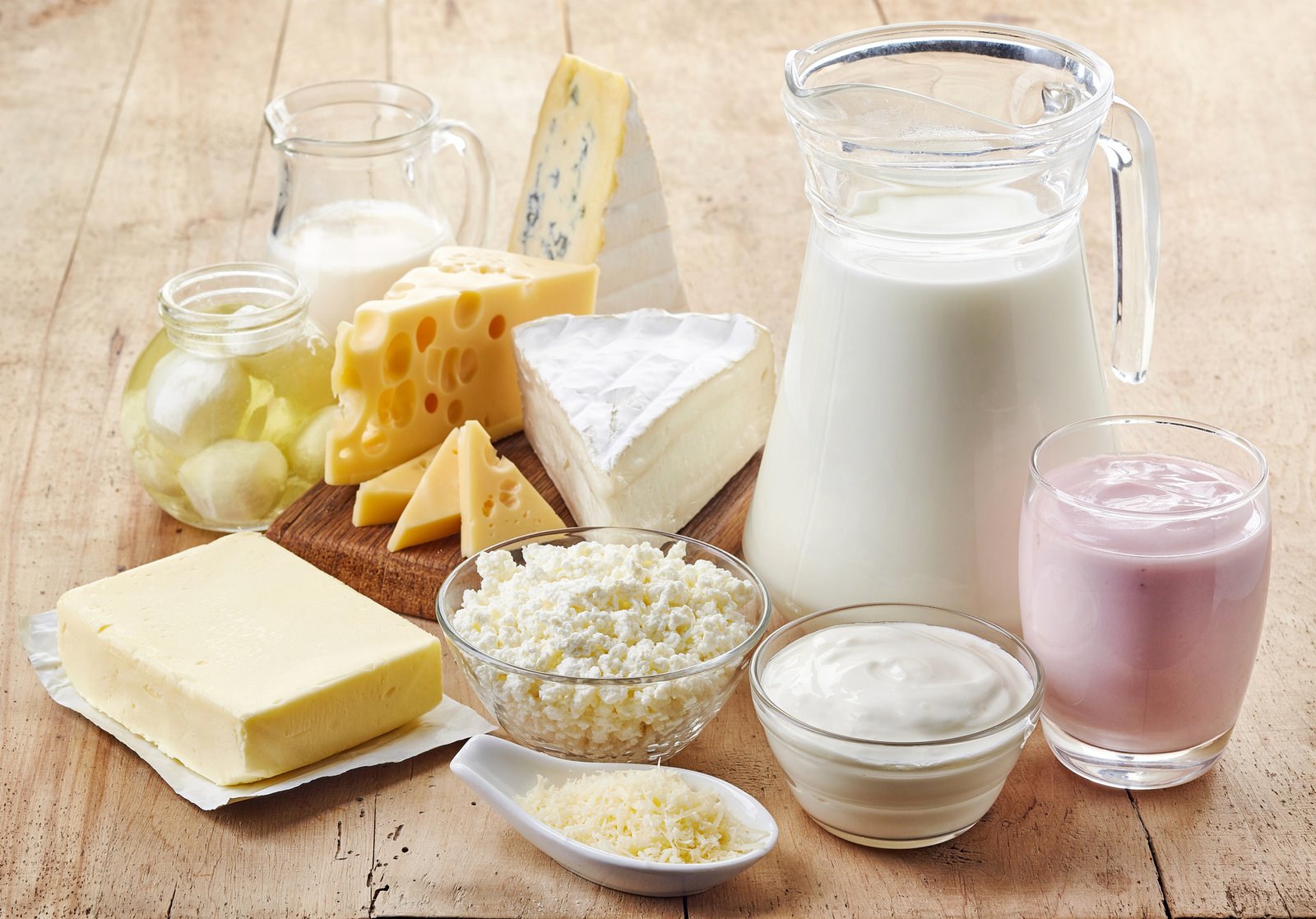
The Union Budget 2026 signals a decisive and long-awaited inflection point for India’s dairy and livestock sectors—industries that form the backbone of rural livelihoods and account for nearly 30 per cent of agriculture’s gross value added.
Moving beyond incremental support, the Budget outlines a coherent strategy aimed at strengthening veterinary infrastructure, expanding access to institutional credit, and enhancing productivity at the farm level. Taken together, these measures position dairy and livestock not merely as allied activities, but as central pillars of India’s agricultural and rural growth story.
At a time when rural resilience, income diversification, and nutritional security are rising to the forefront of policy priorities, the Budget’s focus on livestock development reflects a pragmatic understanding of where sustained income growth for farmers can be achieved. By addressing long-standing structural gaps—particularly in veterinary capacity and access to affordable finance—the government has laid the foundation for productivity-led, inclusive growth in the sector.

Commenting on the Budget, Brahmani Nara, Executive Director, Heritage Foods Ltd, said:
“The Union Budget 2026 marks a watershed moment for India’s dairy and livestock sectors, with the Finance Minister’s announcements reflecting many of the strategic priorities we outlined in our pre-budget expectations. This budget is not just about numbers: it’s about empowering millions of dairy farmers, strengthening rural resilience, and ensuring sustainable, inclusive growth for a sector that contributes 30 per cent of agriculture GVA. We are gratified to see this strong commitment translate into tangible action.”
One of the most consequential announcements in the Budget is the scaling up of veterinary capacity through the addition of 20,000 professionals, supported by new veterinary colleges, hospitals, diagnostic laboratories, and para-veterinary networks. This intervention directly addresses a structural bottleneck that has long constrained productivity in India’s dairy and livestock ecosystem.
India currently faces a significant shortfall in veterinary professionals, with an estimated availability of 68,000 veterinarians against a requirement of nearly 110,000–120,000 to adequately serve the country’s vast livestock population. This gap has resulted in delayed treatments, suboptimal breeding outcomes, preventable disease losses, and uneven access to animal healthcare—particularly for small and marginal farmers. As Brahmani noted:
“The scaling up of veterinary capacity by 20,000 professionals through new colleges, hospitals, laboratories and para-vet networks directly addresses the severe shortage we flagged: bridging the gap from 68,000 to the required 110,000–120,000 veterinarians.”
The implications of this expansion are far-reaching. Improved veterinary access is expected to translate into better animal health outcomes, higher conception rates, reduced disease incidence, and improved milk yields—outcomes that directly impact farm incomes and rural stability. For organized dairy players, stronger animal health systems also enhance supply consistency and quality, reinforcing India’s competitiveness in domestic and global dairy markets.
Complementing this infrastructure push is the Budget’s emphasis on strengthening credit-linked subsidies and affordable finance for farmers, particularly for livestock investments. Access to timely and affordable credit remains a critical constraint for dairy farmers seeking to invest in better breeds, housing, feed management, and productivity-enhancing practices.
Highlighting this linkage, Brahmani said:
“For our 3 lakh+ farmer partners, this veterinary infrastructure expansion, coupled with the enhancement of credit-linked subsidies for Indian farmers, will unlock transformative possibilities, including better animal health, improved breeding outcomes, higher milk yields, and crucially, affordable credit access for livestock investments.”
This integrated approach—combining healthcare, finance, and capacity-building—marks a shift from piecemeal interventions to ecosystem-level reform. By strengthening the fundamentals of livestock productivity, the Budget enables dairy farming to evolve from a subsistence activity into a scalable, resilient enterprise capable of generating stable incomes across economic cycles.
From an industry standpoint, the Budget also underscores the importance of public–private collaboration in translating policy intent into on-ground impact. Large dairy cooperatives and private sector players with deep farmer networks are uniquely positioned to amplify the benefits of government investments through extension services, technology adoption, and market linkages.
Reaffirming this commitment, Brahmani concluded:
“Heritage Foods stands committed to partnering with the government to translate these visionary allocations into ground-level impact, maximizing benefits for our farmers and cementing India’s dairy leadership globally.”
In sum, Union Budget 2026 represents a structural reset for India’s dairy and livestock sectors. By addressing veterinary capacity constraints, improving access to finance, and recognising livestock as a cornerstone of agricultural value creation, the Budget sets the stage for sustainable, inclusive growth. The success of this vision will hinge on effective execution—but the policy architecture now firmly aligns farmer welfare, rural resilience, and global competitiveness within a single, coherent framework.
— Suchetana Choudhury (suchetana.choudhuri@agrospectrumindia.com)