Wednesday, 15 July 2026

With Africa’s food import bill surging toward a projected $111 billion by 2025, regional leaders are calling for a decisive pivot toward agricultural biotechnology to strengthen food security and climate resilience. In remarks shared with FreshPlaza on the sidelines of the 2025 OFAB Africa Media Awards in Nairobi, Canisius Kanangire, Executive Director of the African Agricultural Technology Foundation (AATF), highlighted the continent’s growing—but uneven—progress in adopting biotech crops.
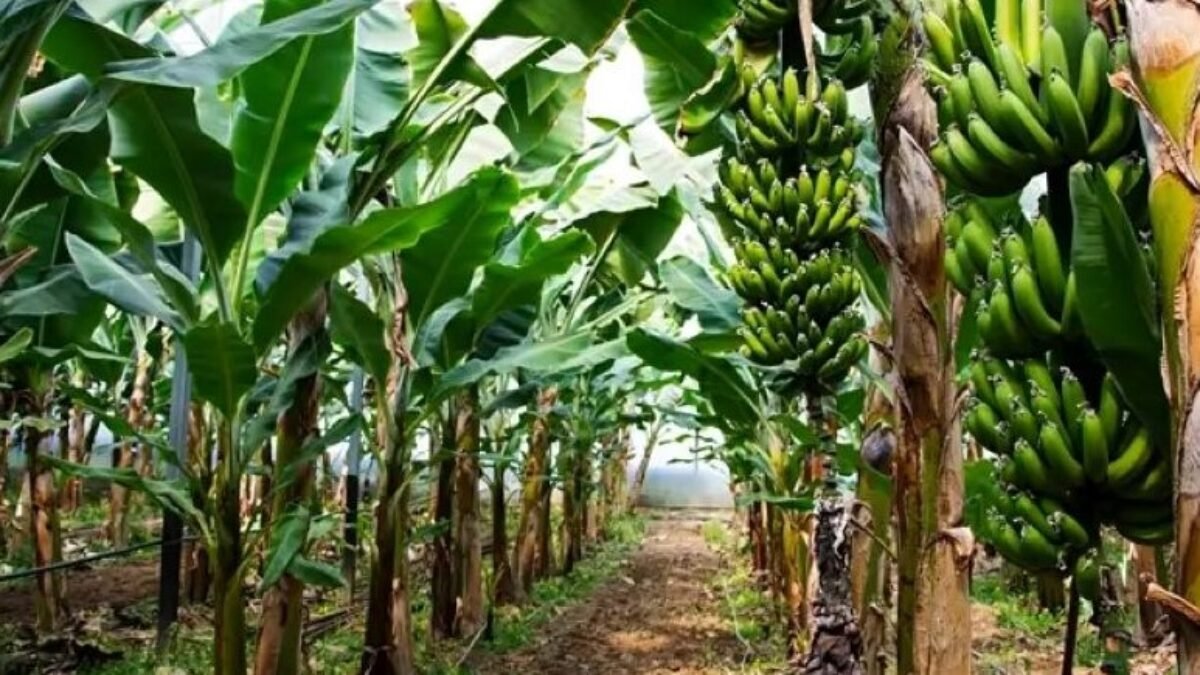
Kanangire noted that several African nations are moving steadily toward commercialization of genetically modified varieties tailored to local challenges. South Africa remains the continent’s frontrunner in GM maize and soybean adoption, while Nigeria and Ghana have rolled out drought-tolerant maize and Bt cowpea. Rwanda, he said, has emerged as one of the most proactive new entrants, rapidly advancing since enacting its biosafety law. The country has already approved trials for improved maize, cassava, and potato—and is now positioning itself to introduce GM bananas in the coming years, a development that could be transformative for a crop that underpins both livelihoods and national food security.
According to Kanangire, biotechnology is not a luxury for Africa but a necessity. With most farmers still reliant on traditional practices—even as droughts, pests, and climate volatility intensify—advanced breeding tools can help deliver higher yields, improved nutrition, and resilient production systems. AATF continues to work with governments, research institutions, and seed companies to ensure that innovations are adapted to African crops and that farmers receive not only high-quality seed but also training, extension support, and market-aligned knowledge.
He stressed that public awareness and strong partnerships—including collaboration with the media—will be crucial to building confidence in biotechnology. Transparency, science-based communication, and cross-sector cooperation, he added, are essential to accelerating adoption and enabling Africa to modernize its food and seed systems.
As pressure mounts to cut import dependence and strengthen domestic supply chains, Rwanda’s strategic preparation for GM bananas signals a broader continental shift: African countries are increasingly ready to embrace next-generation technologies to feed growing populations, reduce climate risk, and unlock new economic opportunities.