Monday, 20 July 2026

DGTR initiates investigation following SI Group India’s complaint alleging dumped imports are hurting domestic industry
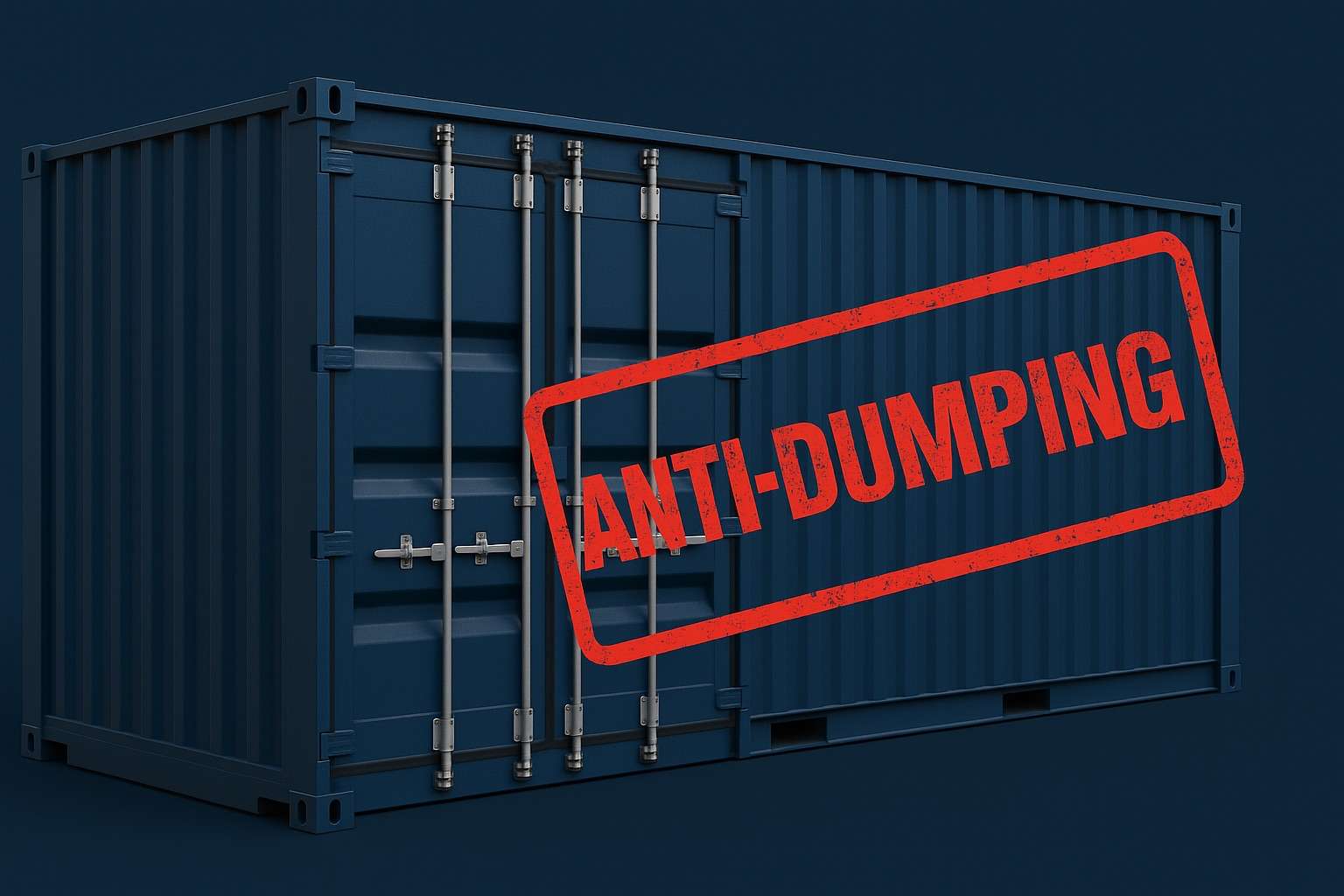
India has initiated an anti-dumping investigation into imports of Para Nonylphenol (PNP) originating in or exported from Russia and Taiwan, following allegations that low-priced imports are causing material injury to the domestic industry. The move underscores the government’s continued use of trade-remedy measures to protect domestic manufacturers against unfairly priced imports while ensuring a level playing field for Indian industry.
The investigation has been initiated by the Directorate General of Trade Remedies (DGTR) after an application filed by SI Group India Private Limited, India’s dominant producer of Para Nonylphenol, which accounts for more than 99 per cent of domestic production. The company has stated that it neither imports the product from the subject countries nor has any relationship with producers or exporters in Russia and Taiwan, thereby qualifying as the domestic industry under India’s anti-dumping rules.
Para Nonylphenol, also known as 4-Nonylphenol, is a specialty chemical intermediate produced through the alkylation of phenol. It is a transparent, viscous liquid widely used in the manufacture of resins, surfactants, antioxidants, lubricants, rubber chemicals, paints and several downstream specialty chemical formulations. The product is classified under Customs Tariff Heading 29071300, although the DGTR noted that imports may also occur under other tariff classifications.
As part of its petition, SI Group India argued that reliable information on domestic selling prices or production costs for Para Nonylphenol in both Russia and Taiwan was not available in the public domain. Consequently, the company constructed the normal value for each country using the best available estimates of production costs, including raw material, utility, manufacturing and administrative expenses, together with a reasonable profit margin to arrive at an ex-factory normal value.
For export pricing, the applicant relied on DG Systems import data to determine ex-factory export prices after making adjustments for ocean freight, marine insurance and other associated costs. Based on a comparison between the constructed normal value and adjusted export prices at the ex-factory level, the DGTR observed that the estimated dumping margins are above the de minimis threshold and are significant, providing prima facie evidence that Para Nonylphenol exported from Russia and Taiwan is being dumped into the Indian market.
The DGTR further noted that the domestic industry had submitted prima facie evidence indicating that imports from the two countries have increased in both absolute and relative terms, leading to price suppression and price depression in the Indian market. According to the Authority, the imported product has adversely affected the profitability of the domestic producer, establishing a prima facie causal link between the alleged dumping and the injury suffered by the domestic industry.
The Authority has directed producers, exporters, importers, users and the governments of Russia and Taiwan to register on the DGTR’s SETU portal and submit relevant information within 37 days from the circulation of the non-confidential version of the application. Interested parties have also been invited to comment on the scope of the product under consideration and propose any Product Control Number (PCN) methodology as part of the investigation process.
If the investigation confirms that dumped imports have caused material injury to the domestic industry, the DGTR may recommend the imposition of anti-dumping duties to the Central Government. Such duties are intended to offset the unfair pricing advantage enjoyed by exporters, restore fair competition and safeguard India’s domestic specialty chemicals industry from injurious imports.
— Suchetana Choudhury (suchetana.choudhuri@agrospectrumindia.com)