Friday, 17 July 2026

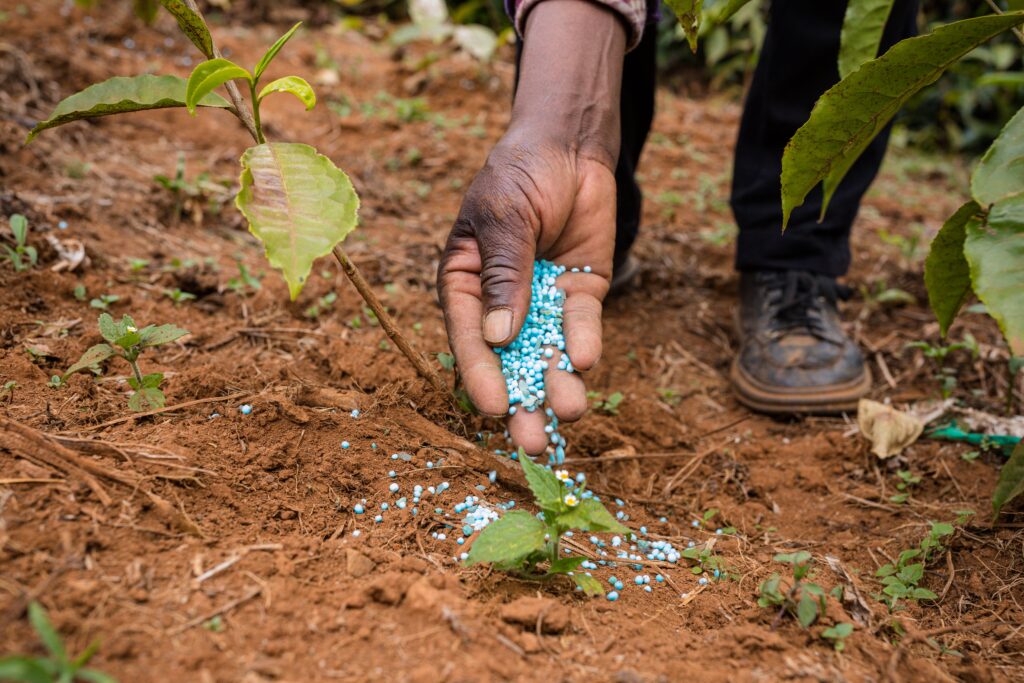
Robust inventories of urea, DAP, potash and complex fertilizers underscore the Centre’s supply-first strategy, ensuring nutrient availability despite an uneven monsoon and delayed sowing
Even as India’s kharif sowing season has begun at a slower pace due to erratic monsoon conditions, one critical input appears firmly under control—fertilizer availability. The Centre has built a sizeable inventory cushion across all major nutrients, ensuring that farmers are unlikely to face supply disruptions as planting accelerates over the coming weeks. Official data as of July 10, 2026, indicates that the country has maintained 319.66 lakh metric tonnes (LMT) of fertilizer availability against a July requirement of just 73.93 LMT, leaving a comfortable closing stock of 161.95 LMT even after sales of 157.71 LMT. The numbers point to one of the strongest inventory positions at the start of a kharif season in recent years, reflecting a deliberate government strategy of front-loading procurement and strengthening distribution before peak demand emerges.
The robust supply position comes at a crucial juncture. With kharif acreage currently trailing last year’s levels due to delayed rainfall, fertilizer demand is expected to rise sharply once monsoon conditions stabilize. By ensuring adequate stocks in advance, policymakers are seeking to prevent the localized shortages that have periodically disrupted sowing operations in previous seasons. Urea, which accounts for nearly half of India’s fertilizer consumption, continues to anchor the country’s nutrient supply. Against a total kharif requirement of 190.32 LMT, the government has ensured 150.92 LMT of availability. Farmers have already purchased 81.62 LMT, yet 69.30 LMT remains in stock—nearly double the country’s July requirement of 39.32 LMT. The inventory suggests that urea availability is unlikely to constrain crop establishment even if sowing accelerates rapidly in the coming weeks.
The situation is particularly noteworthy for Diammonium Phosphate (DAP), India’s second-most critical fertilizer and one that remains heavily dependent on imports. Although the opening stock for Kharif 2026 was 11.78 LMT lower than a year ago, the government has maintained 36.51 LMT of availability against a July requirement of around 12 LMT. Sales have reached 19.99 LMT, while 16.52 LMT remains available, indicating that proactive imports and inventory management have largely offset lower opening stocks. Balanced nutrient application also appears well supported. NPK complex fertilizers, increasingly promoted to improve soil health and reduce excessive urea dependence, have recorded 80.95 LMT of availability against a seasonal requirement of 84.99 LMT. Even after sales of 35.59 LMT, the country retains 45.35 LMT in stock, providing a strong foundation for balanced fertilization during the remainder of the season.
Single Super Phosphate (SSP) has emerged as another well-stocked segment. Availability stands at 37.87 LMT, exceeding the total seasonal requirement of 34.81 LMT. With only 15.80 LMT sold so far, closing inventories remain at 22.07 LMT, positioning SSP as one of the most comfortably supplied fertilizer categories this season. Meanwhile, Muriate of Potash (MOP) continues to maintain healthy inventory levels despite India’s dependence on imported potash. Against a seasonal requirement of 17.57 LMT, availability stands at 13.40 LMT, while sales of 4.70 LMT leave 8.70 LMT in reserve. Given that July demand is estimated at only 2.12 LMT, current stocks are considered adequate to meet near-term requirements.
Collectively, these figures highlight an important shift in India’s fertilizer management strategy. Rather than responding to shortages after demand spikes, policymakers are increasingly building inventories well ahead of the sowing season, allowing fertilizer movement to remain uninterrupted even when weather delays compress planting windows. For the fertilizer industry, the data offers a positive signal. Stable inventories reduce the risk of panic buying, improve logistics planning, and enable smoother distribution across states as sowing gathers pace. At the same time, adequate availability of complex fertilizers supports the government’s broader objective of promoting balanced nutrient use and improving long-term soil productivity.
The focus now shifts from availability to accessibility. With fertilizer stocks comfortably exceeding immediate requirements, the challenge for policymakers will be ensuring timely last-mile delivery, particularly in rain-fed regions where sowing is expected to accelerate following improved monsoon conditions.