Tuesday, 14 July 2026

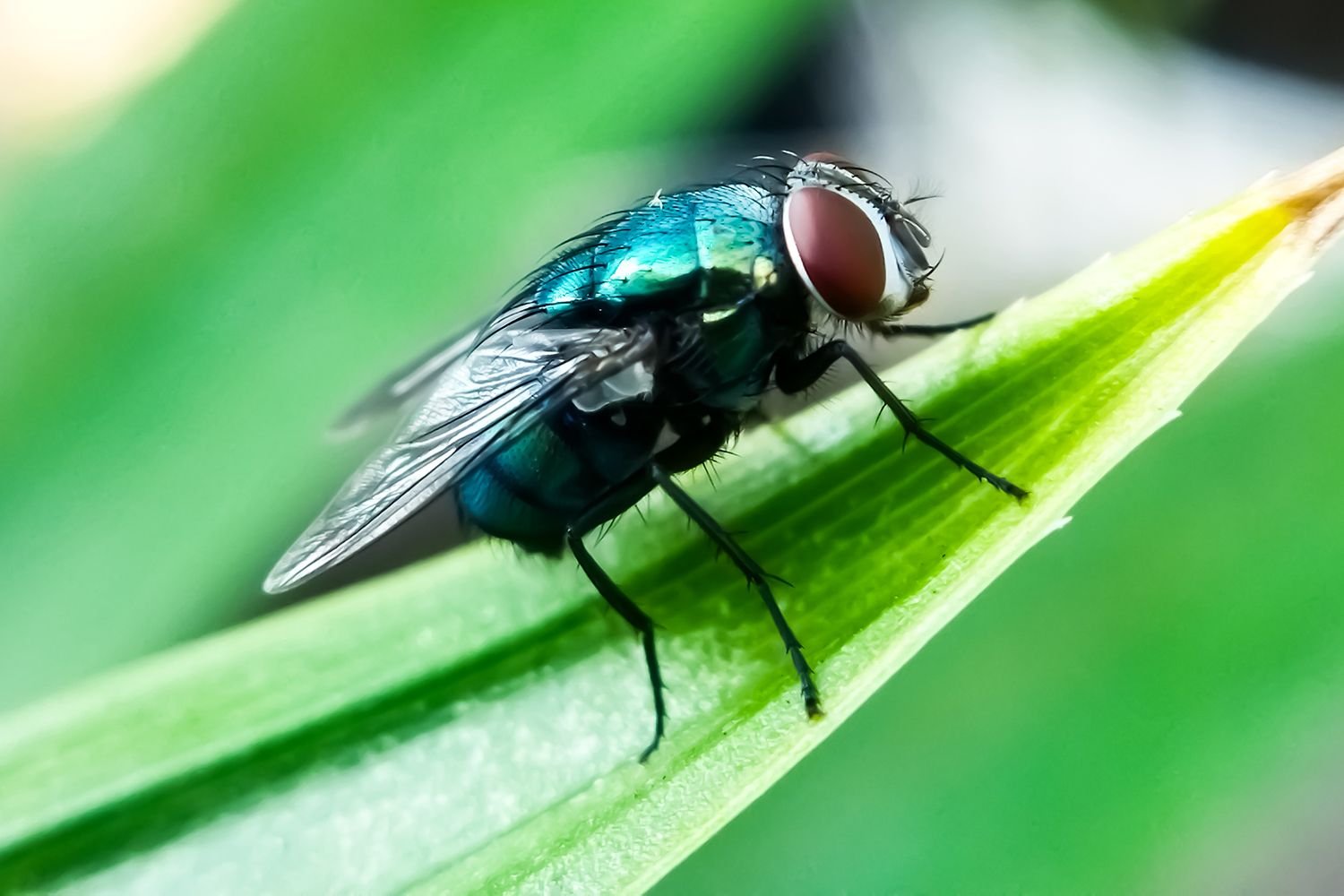
More than $100 million will fund next-generation pest control technologies, surveillance systems, and sterile fly production
The United States Department of Agriculture (USDA) has unveiled a sweeping new investment of more than $100 million to combat the resurgence of the New World Screwworm (NWS), one of the most destructive livestock pests in the Americas. The funding will support 40 research, technology, and innovation projects aimed at strengthening the country’s ability to prevent, detect, and respond to future outbreaks.
The announcement marks a major escalation in the federal government’s efforts to contain a pest that poses significant risks to livestock production, animal welfare, wildlife populations, and rural economies. The projects were selected under the USDA’s New World Screwworm Grand Challenge, a national initiative launched earlier this year to accelerate scientific solutions against the parasite’s re-emergence.
Interest from the scientific and agricultural community was substantial, with the USDA receiving 226 project proposals seeking approximately $664 million in funding, highlighting growing concern over the potential economic and animal health consequences of a renewed screwworm threat.
The selected projects focus on four strategic priorities considered critical to long-term control and eradication efforts. These include expanding the production of sterile screwworm flies used in sterile insect technique (SIT) programmes, developing next-generation traps and attractants for improved surveillance, advancing new therapeutic treatments for infested animals, and creating innovative preparedness and emergency response tools.
A significant portion of the investment will support technologies designed to improve the efficiency and scale of sterile insect production. The sterile insect technique has long been regarded as one of the most successful examples of area-wide pest management, having played a central role in eliminating New World Screwworm from the United States and much of Central America during previous eradication campaigns.
In addition to the newly funded projects, the USDA has already initiated two complementary research programmes designed to modernize insect sterilization technologies. One project, led by Texas A&M AgriLife Research, is evaluating the feasibility of using electron beam technology as a non-radioactive alternative to traditional cobalt-60 gamma irradiation for sterilizing screwworm pupae. The technology could provide a safer and potentially more scalable solution for future sterile fly production.
A second initiative, led by the University of Florida, is assessing the effectiveness of domestically manufactured X-ray irradiation systems for insect sterilization. Researchers are using secondary screwworm species as surrogate models to determine whether these technologies can support future eradication programmes.
The investment comes amid renewed concern over the northward spread of New World Screwworm populations across parts of the Americas. The parasite, whose larvae feed on living tissue of warm-blooded animals, can cause severe injuries, secondary infections, production losses, and in some cases death if left untreated. Historically, the pest has imposed substantial economic costs on livestock industries through reduced productivity, treatment expenses, and trade disruptions.
Agricultural experts view the USDA initiative as both a response to an immediate biosecurity challenge and a long-term investment in livestock resilience. By combining advanced research, next-generation surveillance technologies, and enhanced sterile insect production capabilities, the programme aims to build a stronger defence system against future outbreaks while safeguarding the productivity of the U.S. livestock sector.
The latest funding commitment underscores the growing recognition that emerging animal health threats require coordinated investments in science, innovation, and preparedness. As global livestock systems face increasing pressure from transboundary pests and diseases, the USDA’s New World Screwworm initiative is expected to serve as a model for integrating research, technology, and operational readiness into modern agricultural biosecurity strategies.