Monday, 13 July 2026


New facility in Uttar Pradesh aims to strengthen farmer capacity, promote sustainable cultivation, and enhance India’s premium rice export ecosystem
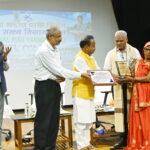
The Agricultural and Processed Food Products Export Development Authority (APEDA) has taken a significant step toward strengthening India’s Basmati rice value chain by signing a 70-year lease agreement with the Uttar Pradesh Agriculture Department to establish a dedicated Basmati and Organic Training Centre in Pilibhit.
The proposed facility is designed to serve as a national hub for farmer training, skill development, and knowledge dissemination, supporting both conventional and organic Basmati cultivation. The initiative reflects growing efforts to enhance the competitiveness, sustainability, and export potential of India’s premium rice sector.
Spread across nearly seven acres, the centre is expected to become the country’s first integrated training and demonstration farm dedicated to both Basmati and organic farming systems. The project will provide a platform for farmers, researchers, students, and agricultural professionals to access practical training, modern cultivation techniques, and best practices in sustainable agriculture.
According to the Ministry of Commerce and Industry, the facility will feature a range of infrastructure including an auditorium, conference facilities, laboratory, museum, exhibition gallery, and storage units for organic farming inputs. The centre will also function as a resource and knowledge-sharing hub, facilitating greater awareness of quality production standards, organic certification requirements, and export-oriented cultivation practices.
The initiative comes as India seeks to strengthen its position in global premium rice markets while encouraging environmentally sustainable farming systems. By combining training, demonstration, and research-oriented activities under one platform, the centre is expected to support productivity improvements, enhance farmer incomes, and promote wider adoption of organic and high-value agricultural practices.
Industry observers view the project as a strategic investment in the future of India’s Basmati sector, creating a long-term institutional framework to support quality enhancement, export growth, and sustainable agricultural development. The facility is also expected to play a key role in building technical capacity among farmers and strengthening India’s leadership in the global Basmati rice market.