Friday, 17 July 2026

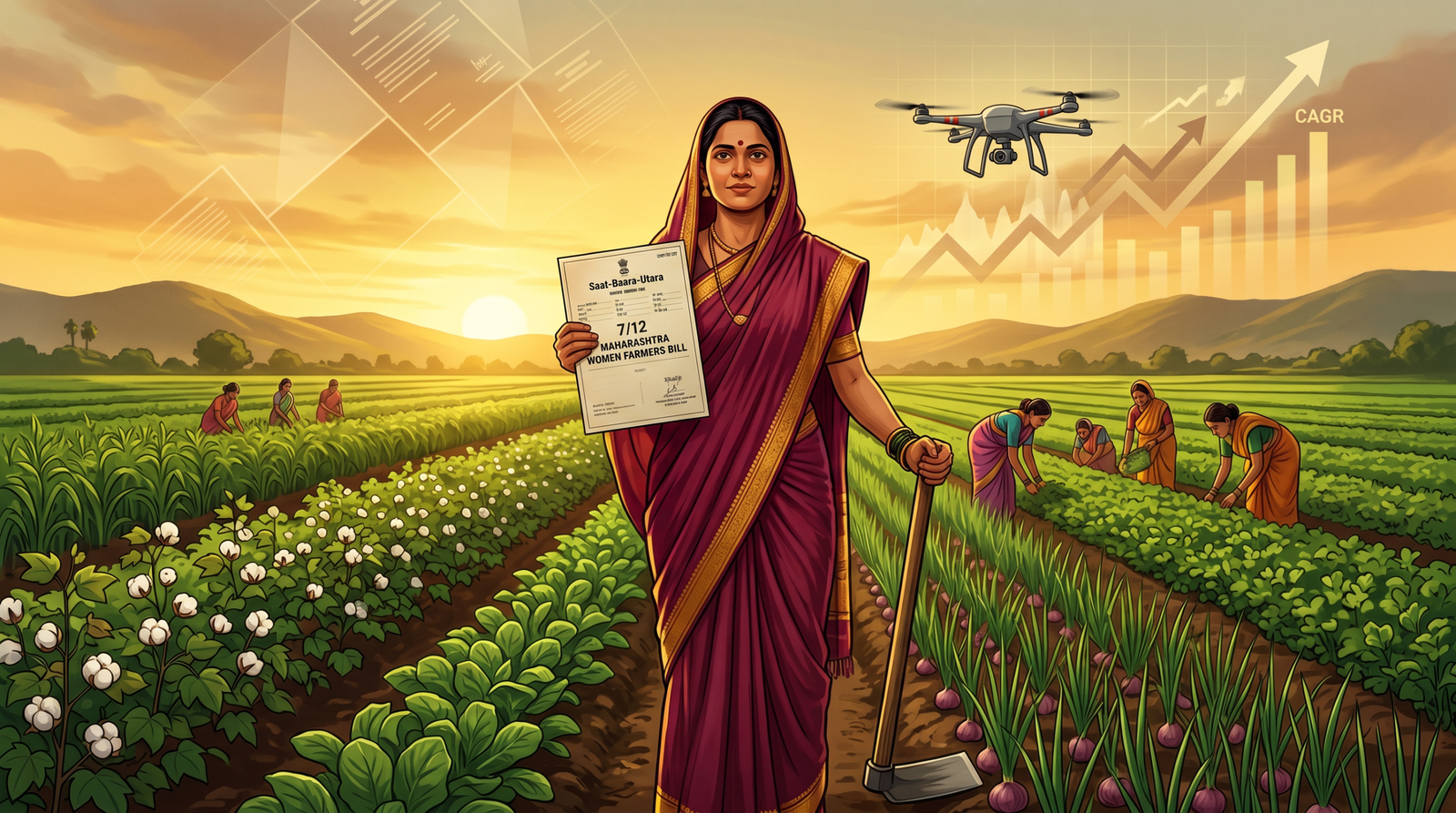
As India marks the International Year of the Woman Farmer, Maharashtra’s proposed law could become a defining test of how agricultural identity, entitlement and recognition are understood in the 21st century
India’s agricultural economy rests on a long-standing and often unexamined assumption: That the farmer, as a category of policy, identity, and political imagination, is primarily male. This assumption persists despite extensive evidence that women constitute a central and, in many regions, indispensable component of agricultural production.
Across rural India, women undertake a broad range of agricultural activities, including sowing, transplanting, weeding, harvesting, livestock management, post-harvest processing, seed preservation, and household-level food provisioning. These responsibilities are not peripheral to agricultural systems; they are structurally embedded within them. Yet, in most formal classifications, women’s participation remains insufficiently recognised as constituting independent farmer status, particularly in the absence of land ownership.
It is within this context that the proposed Maharashtra Women Farmers Bill assumes significance. While commonly interpreted as a welfare-oriented intervention, the proposal also invites a broader reconsideration of the institutional and economic definition of farming itself. The question it raises is not limited to inclusion, but extends to the criteria through which agricultural citizenship is defined within India’s political economy.
Policy rarely begins with legislation
The issue of women’s role in agriculture has been a topic of policy discourse for several decades. The Fourth World Conference on Women (1995) in Beijing highlighted structural constraints faced by women in agriculture across developing economies. In India, Dr M S Swaminathan was among the earliest policy thinkers to systematically articulate the implications of gendered exclusions within agricultural modernisation.
Dr Swaminathan’s analysis of the Green Revolution identified a structural contradiction: While agricultural productivity increased significantly, the institutional frameworks governing land ownership, credit access, and extension services remained largely unchanged. Over time, demographic shifts, including male migration from rural areas, led to an increased concentration of agricultural responsibilities on women, without corresponding changes in legal or institutional recognition.
This process is often described in policy literature as the “feminisation of agriculture.” However, this term requires careful interpretation. In many cases, it reflects not empowerment, but a redistribution of labour responsibilities in contexts of agrarian stress and economic transition.
In 2011, Dr Swaminathan introduced the Women Farmers’ Entitlement Bill in the Rajya Sabha. The Bill proposed a broader definition of “farmer,” extending beyond landownership to include tenant cultivators, sharecroppers, livestock rearers, and other categories of agricultural workers. Although the Bill did not progress, it remains a significant reference point in discussions on agricultural inclusion.
More recently, the National Commission for the Entitlements and Welfare of Women Farmers Bill, 2026, has reintroduced these questions within a contemporary policy framework, alongside renewed attention from international organisations, including the United Nations’ designation of 2026 as the International Year of the Woman Farmer.
What is measured becomes visible
Recent labour data reflects a significant presence of women in agriculture. According to the Periodic Labour Force Survey (PLFS) 2024, women constitute over 42 per cent of India’s agricultural workforce, with higher proportions in several states. However, these figures require careful interpretation, as increased participation does not necessarily correspond to increased economic agency or formal recognition.
Much of this participation occurs within informal or unpaid family-based agricultural systems. Women are frequently classified as “self-employed” in agriculture, a category that often includes work without independent income, ownership, or decision-making authority.
Land ownership statistics further illustrate this structural asymmetry. The Agriculture Census 2015–2016 records that 13.96 per cent of operational holdings are under women’s names, accounting for 11.72 per cent of total cultivated area. This indicates a significant gap between labour participation and asset ownership within agriculture.
Welfare distribution patterns reflect a similar structure. Under the PM-KISAN income support scheme, of the 9.35 crore registered beneficiaries, approximately 2.15 crore are women. This disparity underscores the continued reliance of agricultural policy on land-based definitions of eligibility.
Taken together, these indicators point to a persistent institutional distinction between participation in agricultural labour and formal recognition as agricultural producers. It is this structural gap that the proposed Women Farmers Bill seeks to address.

“The proposed Women Farmers Bill is a landmark leap toward correcting historical gender imbalances in the agrarian landscape,” said Suraj Mandhare, IAS, Commissioner of Agriculture, Government of Maharashtra. “By officially recognising women as independent ‘farmers’ regardless of land title ownership, we are unlocking their access to essential institutional credit, water rights, and insurance that were previously out of their reach.”
Mandhare added that the initiative goes beyond welfare inclusion and attempts to structurally reposition women within the rural economy. “This initiative doesn’t just empower individual women; it strengthens the very foundation of our rural economy by integrating 2026’s International Year of the Woman Farmer goals into state law,” he said. “We are committed to ensuring that the hands that feed the state finally hold the legal rights they deserve.”
Land is the grammar of recognition
The limited recognition of women as farmers is closely linked to the broader structure of land ownership and inheritance in rural India. Land functions not only as an economic asset but also as a basis for social status, political authority, and institutional access. As inheritance systems remain predominantly male-oriented in practice, women’s agricultural roles often remain decoupled from formal ownership.
This produces a structural asymmetry in which a significant proportion of agricultural labour is performed by individuals who do not possess corresponding legal or economic recognition within the system.
Statewise (Major States ) distribution of area operated by operational holdings for All Social Groups during Agriculture Census 2010-11 and 2015-16
| States/UTs | Area (in ‘000 ha.) | % variation in 2015-16 over 2010-11 | |||||||
| 2010-11 | 2015-16 | ||||||||
| Male | Female | Total | Male | Female | Total | Male | Female | Total | |
| Andhra Pradesh | 6122 | 1933 | 8096 | 2180 | 2180 | 8004 | -5.64 | -1.14 | -1.14 |
| Arunachal Pradesh | 349 | 31 | 384 | 338 | 38 | 380 | -3.15 | -3.15 | -1.02 |
| Assam | 2668 | 71 | 2999 | 2663 | 53 | 2976 | -0.22 | -25.60 | -0.76 |
| Bihar | 5511 | 849 | 6388 | 5537 | 893 | 6457 | 0.47 | 5.09 | 1.09 |
| Chhattisgarh | 4576 | 503 | 5084 | 4434 | 553 | 4992 | -3.10 | 10.03 | -1.82 |
| Goa | 72 | 15 | 89 | 66 | 14 | 82 | -7.53 | -6.09 | -7.76 |
| Gujarat | 8515 | 1305 | 9898 | 8322 | 1589 | 9978 | -2.27 | 21.80 | 0.80 |
| Haryana | 3082 | 405 | 3646 | 2966 | 491 | 3609 | -3.78 | 21.09 | -1.02 |
| Himachal Pradesh | 904 | 45 | 955 | 892 | 47 | 944 | -1.38 | 4.94 | -1.09 |
| Jammu & Kashmir | 839 | 48 | 895 | 789 | 47 | 842 | -5.92 | -2.80 | -5.93 |
| Jharkhand | 2893 | 259 | 3165 | 2843 | 238 | 3091 | -1.75 | -8.14 | -2.36 |
| Karnataka | 10190 | 1898 | 12161 | 9612 | 2102 | 11805 | -5.67 | 10.75 | -2.93 |
| Kerala | 1187 | 210 | 1511 | 1069 | 221 | 1395 | -9.95 | 5.50 | -7.67 |
| Madhya Pradesh | 14609 | 1204 | 15836 | 14128 | 1509 | 15670 | -3.29 | 25.31 | -1.05 |
| Maharashtra | 17083 | 2585 | 19767 | 17516 | 2884 | 20506 | 2.54 | 11.57 | 3.74 |
| Manipur | 167 | 5 | 172 | 164 | 8 | 172 | -2.13 | 77.51 | 0.07 |
| Meghalaya | 189 | 97 | 287 | 214 | 84 | 300 | 13.56 | -13.15 | 4.46 |
| Mizoram | 94 | 10 | 105 | 100 | 11 | 112 | 6.23 | 13.14 | 7.32 |
| Nagaland | 978 | 93 | 1074 | 900 | 54 | 956 | -8.03 | -42.42 | -10.97 |
| Odisha | 4651 | 148 | 4852 | 4418 | 169 | 4619 | -5.01 | 14.00 | -4.80 |
| Punjab | 3929 | 26 | 3967 | 3899 | 43 | 3954 | -0.75 | 61.96 | -0.33 |
| Rajasthan | 19698 | 1329 | 21136 | 19109 | 1654 | 20873 | -2.99 | 24.48 | -1.24 |
| Sikkim | 99 | 4 | 107 | 83 | 5 | 91 | -15.89 | 17.30 | -14.83 |
| Tamil Nadu | 5300 | 1056 | 6488 | 4788 | 1036 | 5971 | -9.66 | -1.8 | -7.98 |
| Telangana | 4975 | 1212 | 6197 | 4629 | 1337 | 5972 | -6.94 | 10.35 | -3.63 |
| Tripura | 259 | 25 | 285 | 252 | 29 | 282 | -2.70 | 15.39 | -1.11 |
| Uttar Pradesh | 16614 | 948 | 17622 | 16376 | 1011 | 17450 | -1.43 | 6.70 | -0.97 |
| Uttarakhand | 735 | 68 | 816 | 663 | 71 | 747 | -9.71 | 3.57 | -8.38 |
| West Bengal | 5171 | 110 | 5510 | 5159 | 103 | 5487 | -0.23 | -6.80 | -0.41 |
| All India | 141540 | 16510 | 159592 | 137784 | 18493 | 157817 | -2.65 | 12.02 | -1.11 |
Source: All India Report on Agriculture Census 2015-16
From an economic perspective, this arrangement has contributed to the externalisation of labour costs within agriculture. A considerable portion of agricultural activity relies on unpaid or under-recognised labour, particularly within household-based farming systems. This has implications not only for gender equity but also for the formal measurement of agricultural productivity and rural income.
At the same time, empirical studies suggest that women farmers often engage in agricultural practices that emphasise crop diversity, nutritional security, and household welfare outcomes. These patterns are observed across multiple regions, particularly in subsistence-oriented farming systems.
Recognition reorganises markets
From the perspective of agricultural markets and related industries, formal recognition of women farmers would constitute a significant expansion of the identifiable rural economic base.
Integration into formal agricultural classification systems would increase access to institutional credit, insurance mechanisms, digital financial services, and input markets. It would also alter the structure of demand for agricultural goods and services, as women farmers often exhibit different patterns of crop selection and resource allocation, with relatively greater emphasis on subsistence crops and household-level food security.
For agri-input industries, fintech platforms, and agricultural service providers, this represents not merely a policy change but a redefinition of the rural consumer and producer base.
Mechanisation and technology design may also require recalibration, given that much agricultural equipment has historically been designed around assumptions of male labour and larger landholdings. Similarly, insurance and credit products may require adaptation to reflect the risk profiles of smallholder and diversified farming systems.
International economic analysis increasingly recognises the role of gender inclusion in agricultural productivity. The Food and Agriculture Organisation (FAO) has estimated that reducing gender disparities in agrifood systems could contribute significantly to global GDP growth while improving food security outcomes.
These findings suggest that gender-based constraints in agriculture are not only social issues but also structural economic inefficiencies.
In the Indian context, where women perform a substantial proportion of agricultural labour but hold a relatively small share of land ownership, this mismatch represents a persistent constraint on potential productivity and institutional efficiency.

Within this evolving institutional landscape, the reform is increasingly being interpreted through the lens of identity-based exclusion and financial access. As Anjul Tyagi, Agriculture Economist, observes, “This is a long-overdue reform that addresses one of the most fundamental barriers—lack of identity—which has historically excluded women from accessing institutional credit, insurance, and government schemes.”
Anjul further notes that the operationalisation of women’s names on the 7/12 land documents carries a structural shift in economic positioning: “By ensuring women’s names on the 7/12 land documents, the proposed bill has the potential to transform them from ‘invisible contributors’ to ‘recognised stakeholders’ in the agricultural economy. This step not only strengthens financial inclusion but also enhances decision-making power at the household and farm level.”
Taken together, these perspectives underscore a critical transition point: recognition, while necessary, must be operationalised through administrative coherence and institutional convergence to produce meaningful economic change.
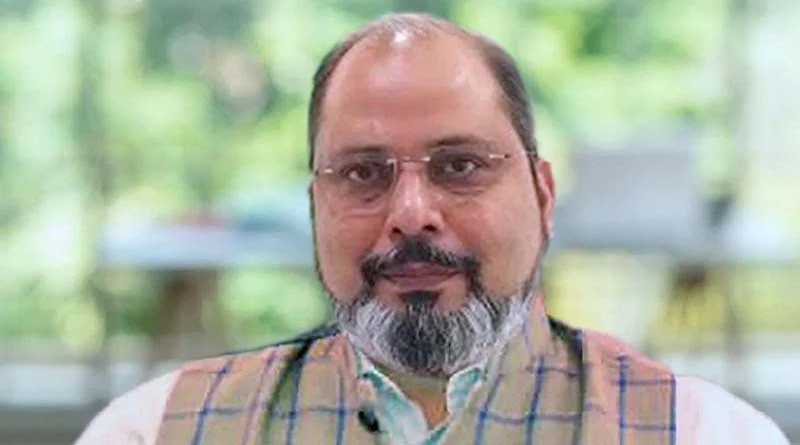
Complementing this view, Dr Suhas Budhe, Director of Naturexchange, situates the reform within a wider socio-economic reordering of rural systems. He notes that the initiative “goes far beyond updating land records—it is about rewriting the social contract of rural Maharashtra,” emphasising that formal recognition of women as farmers addresses decades of invisibility while enabling access to institutional credit, government schemes, and extension services historically mediated through informal structures.
He further highlights the agronomic and climate dimensions of the reform, pointing out that legal identity enhances women farmers’ ability to adopt climate-resilient practices, diversify cropping systems, and manage weather-related risks. However, he also underscores that such transformation requires enabling conditions, including awareness generation, stronger market linkages, women-led farmer-producer organisations, gender-disaggregated data systems, and local institutional support structures.
In this framing, recognition becomes meaningful not as a legal endpoint, but as an entry point into a broader ecosystem of economic, institutional, and ecological change.
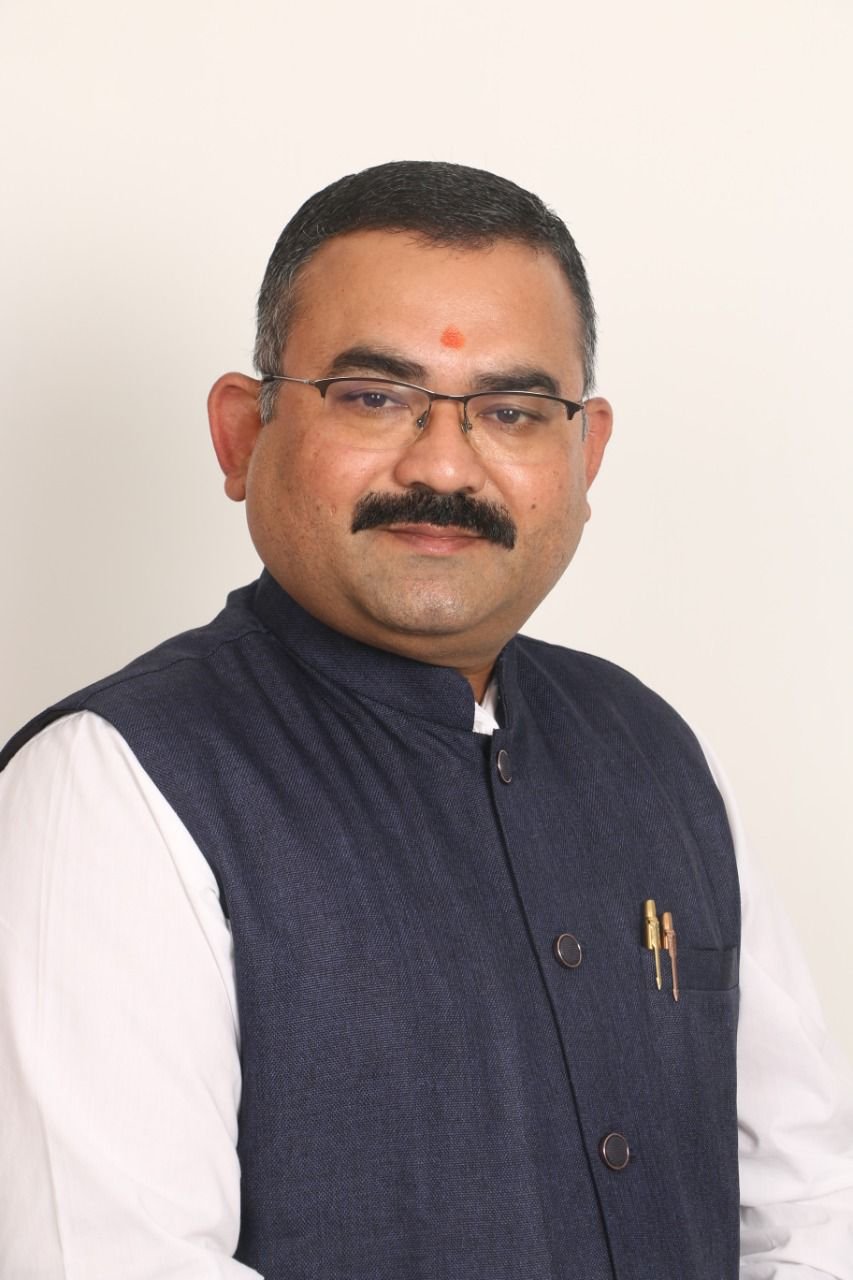
Adding a complementary industry perspective, Janak Dhameliya, Chairman – Redox Group of Companies, situates the reform within a longer arc of agricultural equity and ownership. He notes, “India is one of the world’s foremost agricultural nations, and the backbone of this achievement is its women farmers. Across every state and every village, women have consistently sustained and strengthened the foundation of Indian agriculture, often without recognition or rightful ownership.”
He further emphasises the corrective dimension of the proposed reform, observing that it directly addresses long-standing exclusion from land rights and institutional benefits. “For too many families, agricultural land and government benefits were historically controlled through male lineage, leaving women excluded despite being the real cultivators and caretakers of the land.”
Framing the shift as a structural correction rather than symbolic reform, Janak adds, “Now, the system is being corrected. In cases where a husband or family member is no longer present, the rightful benefits and entitlements will no longer be misdirected or withheld—they will be securely transferred to the true heirs, the women farmers who sustain the land.”
He concludes that the significance of the bill lies in its redefinition of recognition itself: “This is not just an administrative change; it is a long-overdue correction of injustice, ensuring that women who feed the nation are finally recognised as rightful owners and beneficiaries of their own labour.”
The question is no longer who farms India, but who is allowed to count as a farmer
The proposed Maharashtra legislation, situated within an evolving matrix of national reform and global discourse on agrarian gender asymmetries, signals a quiet yet paradigmatic shift in the epistemology of Indian agriculture itself. At stake is not simply a welfare intervention, but a reconsideration of the conceptual architecture through which agricultural identity has historically been codified. What constitutes a “farmer”? Can productive labour continue to remain juridically subordinate to proprietary ownership? To what extent does the state’s reliance on land titles as the primary instrument of recognition distort the realities of contemporary rural production systems?
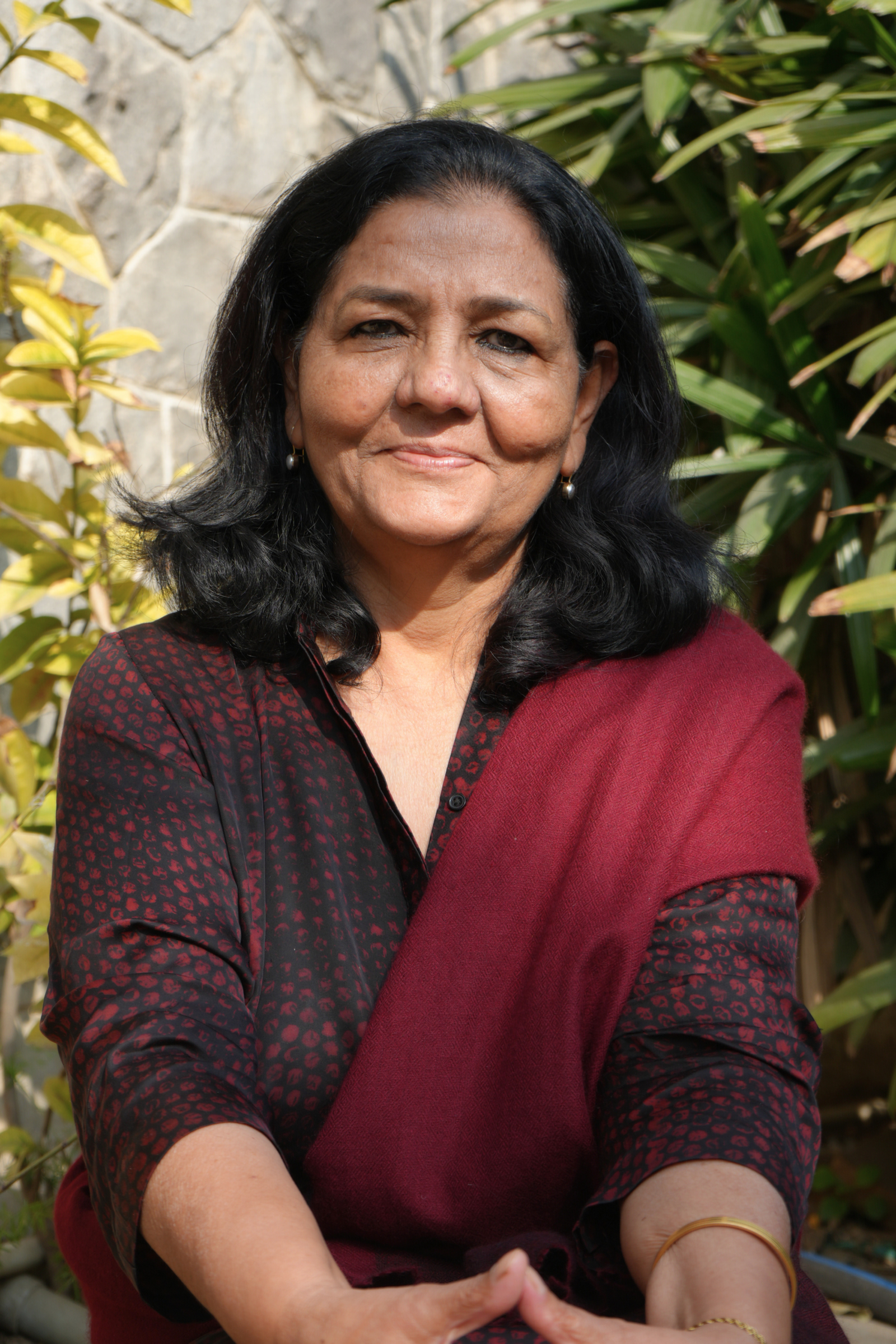
These questions gain sharper resonance when set against the lived realities of women in agriculture. As Kanta Singh, Deputy Representative, UN Women India Country Office, observes, “For years, women farmers have remained under-recognised despite their substantial contribution to agriculture. Recognising women as farmers through land rights, access to credit, and policy inclusion is increasingly important.” This highlights a persistent gap between economic contribution and institutional recognition in rural systems.
The Maharashtra proposal is seen as a step toward correcting this imbalance. Kanta further notes that “Maharashtra’s proposed bill is a significant step towards advancing gender-responsive rural development and strengthening rural livelihoods.” She also emphasises that meaningful impact will depend on implementation that addresses “longstanding structural barriers to women’s access to agricultural entitlements, institutional finance, extension services, and decision-making.”
Under the proposed framework of the Bill, certification by the Gram Panchayat would suffice to establish eligibility for entitlements historically contingent upon land possession. The category of “farmer” is correspondingly reimagined to encompass not merely operational landholders, but also landless cultivators, agricultural labourers, plantation workers, pastoralists, tenant farmers, and sharecroppers — constituencies central to agrarian production yet persistently peripheral to institutional visibility.
Equally noteworthy is the Bill’s recognition of migratory agricultural labour. A landless cultivator relocating across state boundaries would be permitted to register within the state of his or her chosen ground of economic engagement, thereby introducing a rare portability into India’s otherwise territorially rigid welfare architecture. In doing so, the legislation implicitly acknowledges the increasingly mobile and precarious character of rural labour markets.
For women agricultural workers, the implications are especially profound. The Bill explicitly repudiates the assumption that a woman’s agrarian legitimacy must derive either from marital affiliation or from proprietary claims over land. Instead, it locates her identity in the act of cultivation itself — whether on individually owned land, familial holdings, leased acreage, or land cultivated through sharecropping arrangements. What appears, at first glance, to be a semantic reform is, in fact, a deeper ontological shift: from ownership-based recognition to function-based recognition within the political economy of agriculture.
Ultimately, the debate transcends redistribution and enters the more consequential domain of classification. For states do not merely govern through law and welfare; they govern through categories. What is rendered statistically legible becomes administratively actionable, while what remains unclassified is relegated to the margins of policy imagination. The contest, therefore, is not simply over entitlements, but over visibility itself — over who is permitted entry into the formal vocabulary of Indian agriculture, and who continues to labour outside the grammar of recognition.
— Suchetana Choudhury ( suchetana.choudhuri@agrospectrumindia.com )
–