Thursday, 16 July 2026

Rising palm oil shipments, higher global prices and a weaker rupee push India’s edible oil import bill to Rs 87,000 crore in the first half of the 2025-26 oil year
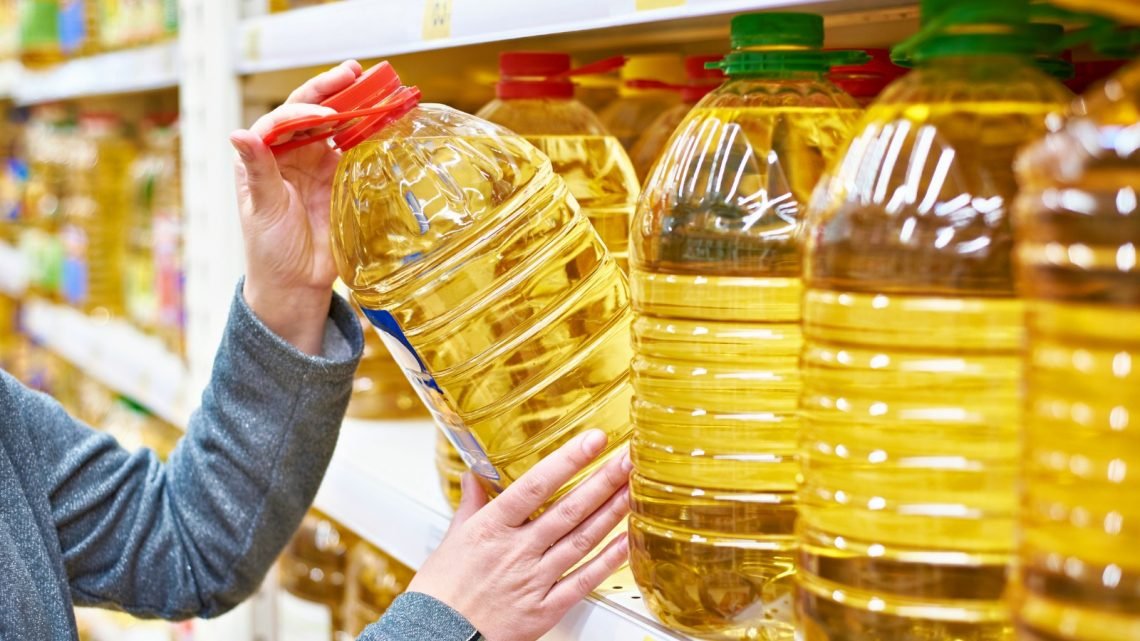
India’s vegetable oil imports climbed 13 per cent during the first six months of the 2025-26 oil year, underscoring the country’s deepening dependence on overseas edible oil supplies amid firm domestic demand, elevated international prices and shifting consumption dynamics in the world’s largest cooking oil market.
According to the Solvent Extractors’ Association of India (SEA), total vegetable oil imports during the November 2025 to April 2026 period rose to 7.94 million tonnes, compared with 7.04 million tonnes in the corresponding period a year earlier. In value terms, the import bill expanded even more sharply, rising 19 per cent to approximately Rs 87,000 crore from Rs 73,000 crore in the previous year, reflecting the combined impact of higher global prices and currency depreciation.
The growth was driven overwhelmingly by a dramatic increase in palm oil imports, which nearly doubled to 3.97 million tonnes from 2.74 million tonnes in the same period last year. The surge marks a significant reversal in India’s edible oil trade pattern after several quarters in which buyers had shifted toward softer oils such as soybean and sunflower oil due to pricing advantages. By contrast, imports of soft oils declined to 3.85 million tonnes from 4.13 million tonnes a year ago, indicating a recalibration in procurement strategies by refiners and importers responding to changing international price equations.
Indonesia and Malaysia continued to dominate India’s palm oil supply chain, reinforcing Southeast Asia’s strategic role in the country’s food security architecture. Argentina retained its position as the leading supplier of soybean oil, followed by Brazil, while Russia and Ukraine remained the principal exporters of sunflower oil to the Indian market despite persistent geopolitical disruptions affecting Black Sea trade flows.
Industry executives say the rebound in palm oil imports reflects both improved availability and the commodity’s renewed competitiveness in global markets, even as edible oil prices continue to remain elevated. Palm oil prices have risen between 14 per cent and 15 per cent compared with April 2025 levels, while soybean oil and sunflower oil prices have increased between 17 per cent and 22 per cent over the same period. The escalation in prices has intensified cost pressures across India’s food processing, hospitality and household consumption segments.
Compounding the challenge has been the depreciation of the Indian rupee, which weakened by more than 9.2 per cent against the U.S. dollar over the past year. The currency movement has significantly amplified landed import costs for refiners and traders, adding another layer of volatility to an already inflation-sensitive commodity basket. The SEA described the rupee’s decline as a matter of concern for the industry, particularly at a time when global agricultural commodity markets remain vulnerable to supply disruptions and freight fluctuations.
The data also revealed the increasing role of regional trade flows within South Asia. Nepal exported approximately 217,000 tonnes of refined oils to India during the first half of the oil year, consisting largely of refined soybean oil along with smaller quantities of refined sunflower oil, RBD palmolein and rapeseed oil. The trend reflects the growing significance of cross-border refining and re-export activity within the region’s edible oil ecosystem.
At the same time, India’s vegetable oil inventory position appears to be strengthening. Total stocks rose to 2.12 million tonnes in May 2026 from 1.35 million tonnes a year earlier, while pipeline inventories have shown a consistent upward trajectory since December 2025. Analysts say the rise in stocks could help stabilize domestic availability and moderate supply-side pressures during the second half of the oil year, particularly ahead of the festive and winter consumption season.
Even so, the latest import figures underscore the structural reality of India’s edible oil economy: despite being one of the world’s largest agricultural producers, the country remains heavily reliant on imported oils to meet domestic demand. With consumption continuing to expand alongside urbanization, changing dietary patterns and population growth, policymakers and industry stakeholders are likely to intensify efforts to boost domestic oilseed production and reduce long-term import dependence.