Saturday, 13 June 2026

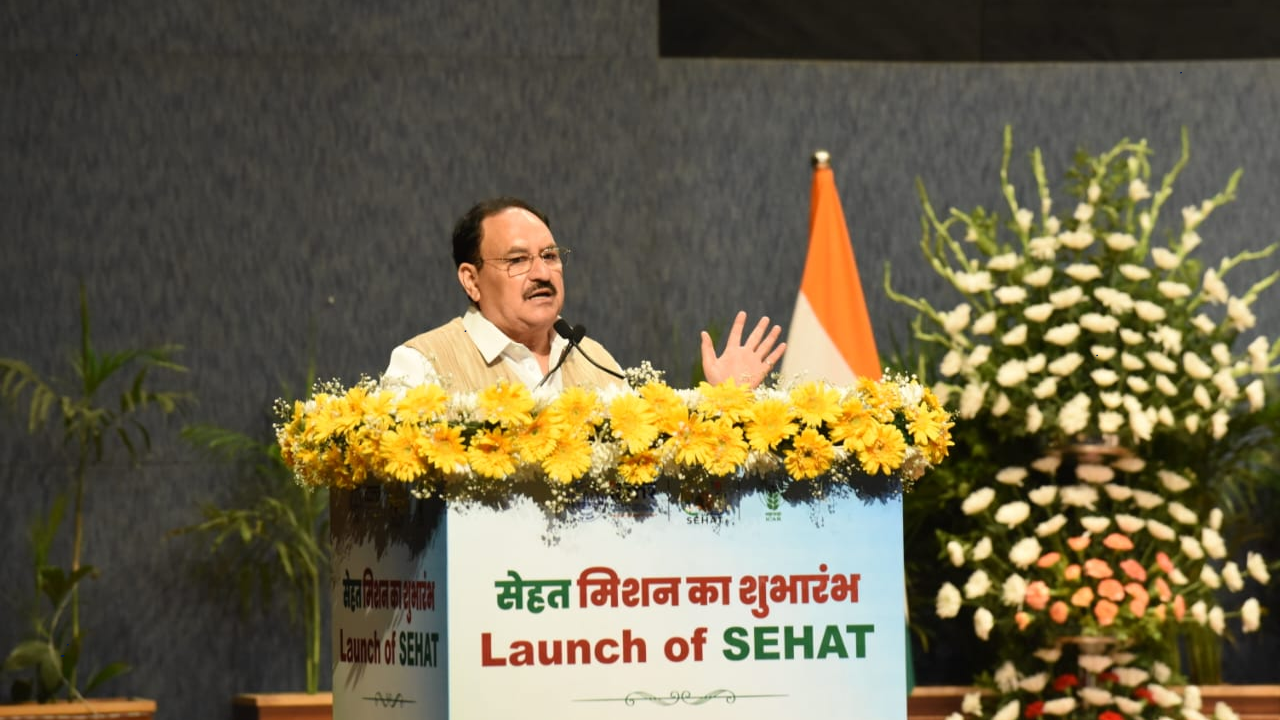
Initiative targets evidence-based transformation of agriculture to address non-communicable diseases and strengthen national nutrition security
The Government of India has launched a new national mission titled SEHAT, aimed at bringing agriculture, nutrition and public health onto a single integrated platform to improve long-term health outcomes across the country.
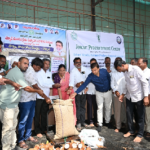
The initiative, named Science Excellence for Health through Agricultural Transformation, has been jointly introduced by Union Health Minister JP Nadda and Union Agriculture Minister Shivraj Singh Chouhan under the collaboration of the Indian Council of Medical Research and the Indian Council of Agricultural Research. The mission seeks to align agricultural innovation with national priorities in nutrition security, preventive healthcare, and disease management.
SEHAT is designed to address India’s dual burden of disease, where undernutrition continues to persist alongside a rising incidence of non-communicable and lifestyle-related conditions. The programme emphasises the need to move beyond isolated sectoral approaches and adopt an integrated framework where agriculture directly contributes to public health outcomes.
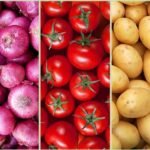
The mission focuses on strengthening evidence-based linkages between what is produced in farms and its impact on human health. It promotes the development of nutrient-rich and biofortified crops, diversification of food systems, and improved farming practices that support better dietary outcomes and farmer resilience. It also places attention on occupational health in agriculture and the growing role of functional foods in addressing conditions such as diabetes and hypertension.
A key dimension of the initiative is the expansion of the One Health approach, which connects human health, animal health and environmental systems through coordinated surveillance, diagnostics and research. This is intended to improve preparedness for future health challenges while ensuring more holistic policy design.
The government has positioned SEHAT as a long-term structural reform that brings science, agriculture and health policy onto a converging path, with the objective of ensuring that agricultural progress translates more directly into measurable improvements in public health and nutrition.