Saturday, 27 June 2026

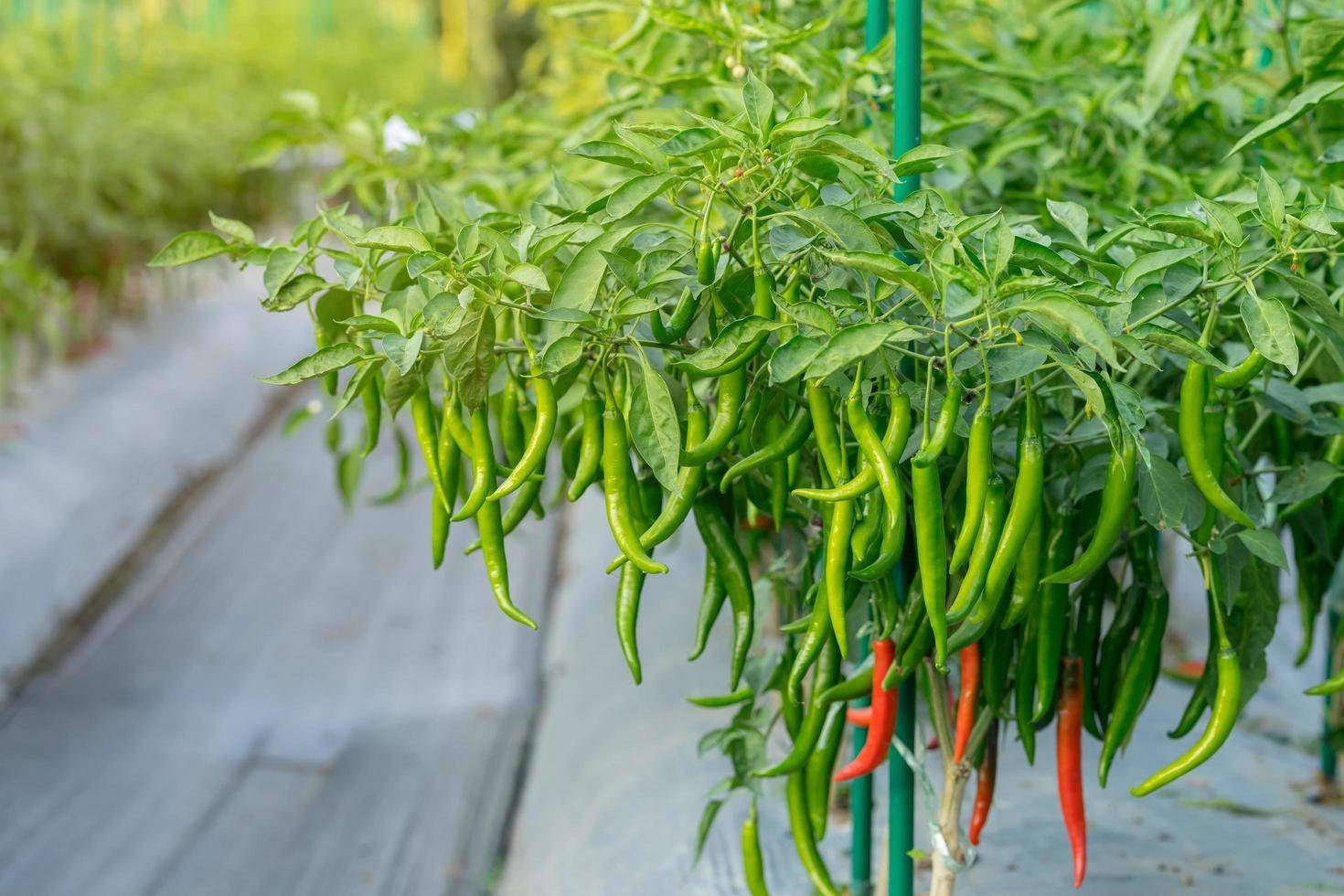
NRCG’s 195-chemical dossier aligns Indian crop protection with EU residue standards, fortifying farmer economics and export credibility.
India’s chilly growers now have a new arsenal at their disposal. ICAR–National Research Centre for Grapes (NRCG) unveiled a sweeping annexure cataloguing 195 chemicals approved under CIB & RC label claims for use in green chilly. This isn’t just a technical list—it is a strategic compliance blueprint designed to protect crops, safeguard farmer incomes, and secure India’s place in global spice markets.
A Disease Map with Chemical Precision
The dossier reads like a battle plan against the chilly sector’s most persistent enemies: powdery mildew, anthracnose, cercospora leaf spot, bacterial blight, dieback, and damping off. Each entry specifies formulation, dosage, EU Maximum Residue Limits (MRLs), and Pre-Harvest Intervals (PHIs).
For powdery mildew alone, the list spans Azoxystrobin 23 per cent SC (PHI: 5 days, EU MRL: 3.00 mg/kg) to Kresoxim-methyl 44.3 per cent SC (PHI: 25 days, EU MRL: 0.80 mg/kg). Copper-based protectants—Copper oxychloride 50 per cent WP and Tribasic Copper Sulfate 34.5 per cent SC—anchor the catalogue with broad-spectrum utility and relatively benign residue profiles.
Pest Control: From Thrips to Wet Rot
The pest management section is equally formidable. Thrips, damping off, and blight infestations are countered with next-generation molecules such as Broflanilide (PHI: 1 day, EU MRL: 0.01 mg/kg) and Fluxametamide 10 per cent EC (PHI: 5 days, EU MRL: 0.01 mg/kg). Traditional workhorses like Acephate 95 per cent SG and Acetamiprid 20 per cent SP remain in play, but the emphasis is clearly on precision chemistry designed to meet evolving resistance patterns while staying within export thresholds.
Seed treatments—Imidacloprid 48 per cent FS and Carbendazim 50 per cent WP (wet slurry)—signal NRCG’s push for discipline at the very first stage of crop life.
Compliance as Strategy
The annexure’s granular detail—down to PHIs as short as 3 days for Acetamiprid and as long as 53 days for Metalaxyl-M + Mancozeb—is not bureaucratic excess. It is a direct response to the unforgiving scrutiny of European buyers, where residue violations can derail entire consignments.