Tuesday, 30 June 2026

Enhanced inspections and documentation norms could reshape export supply chains
India’s agricultural export sector is entering a more stringent regulatory phase as the Agricultural and Processed Food Products Export Development Authority flagged revised European Union measures that increase inspection frequency and compliance requirements for a range of food products originating from India. The updated framework follows the European Commission’s latest revision under Regulation (EU) 2019/1793, amended through Regulation (EU) 2026/194 after its 13th bi-annual review. The move reflects heightened concerns over food safety risks, particularly pesticide residues and aflatoxins, as indicated by repeated alerts under the Rapid Alert System for Food and Feed.
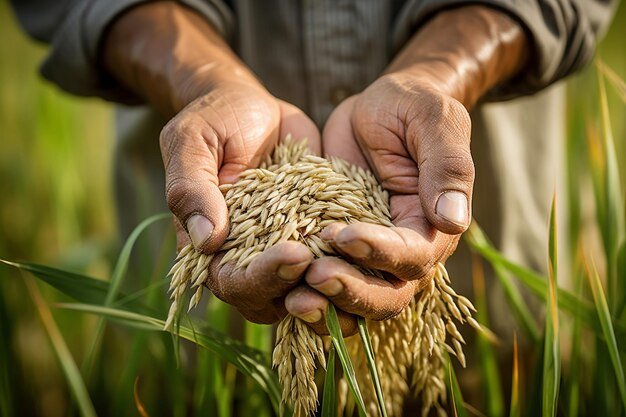
Under the revised regime, several Indian commodities will face increased identity and physical checks at European Union border control posts, with inspection frequencies significantly raised for certain categories. Products such as curry leaves, whether fresh, chilled, or frozen, will now undergo checks at a frequency of 30 per cent due to pesticide residue risks, while rice consignments will be inspected at a 10 per cent frequency for similar concerns. These tighter border controls are expected to impact clearance timelines and place greater emphasis on shipment-level compliance before export.
At the same time, a wider group of products will be subject to enhanced compliance requirements, including mandatory laboratory analytical reports and official certification issued by competent authorities in India. Groundnuts and their processed forms, including peanut butter, will face some of the strictest scrutiny, with inspection frequencies reaching up to 50 per cent due to aflatoxin contamination risks.
Processed food items such as sauces, mixed condiments, and mustard-based preparations will be monitored for pesticide residues with inspection levels around 20 per cent. Drumsticks (Moringa oleifera), whether fresh, chilled, or frozen, will see inspection frequencies ranging from 10 per cent to as high as 75 per cent depending on classification, while yardlong beans will be checked at a 50 per cent frequency for pesticide residues. Each consignment in these categories must now be supported by validated laboratory reports and official certification, significantly raising pre-export compliance requirements.
The European Union’s decision to tighten controls has been driven by a higher rate of non-compliance in Indian consignments, particularly involving pesticide residues and aflatoxins, along with an increase in notifications through the Rapid Alert System for Food and Feed. These alerts, combined with inspection findings from EU member states and monitoring data from exporting countries, form the basis of the bloc’s bi-annual review process, which determines the level of scrutiny applied to imported food products.
In response, APEDA has advised exporters to strengthen compliance measures across the entire supply chain. This includes building stronger backward linkages with farmers, adopting Good Agricultural Practices, and implementing Hazard Analysis and Critical Control Points systems at processing and handling stages. Exporters have also been directed to ensure strict adherence to quality protocols for all consignments and to follow established procedures for handling RASFF alerts, including corrective actions in cases of non-compliance.
The tightening of EU import norms is expected to have immediate and structural implications for India’s agri-export ecosystem. Exporters are likely to face higher compliance costs due to increased testing and certification requirements, as well as potential delays at EU borders arising from more frequent inspections. The risk of shipment rejections could impact exporter credibility, particularly for smaller players who may struggle to meet the enhanced standards. At the same time, the new regime is likely to accelerate a shift toward more traceable and quality-assured supply chains, favouring exporters who are already aligned with global best practices.
More broadly, the development underscores a structural shift in global agricultural trade, where access to premium markets is increasingly determined by compliance, traceability, and food safety assurance rather than just price competitiveness. For India, maintaining its position in high-value markets such as the European Union will depend on how effectively it strengthens farm-to-fork quality systems and builds resilience against evolving regulatory standards. As scrutiny intensifies, compliance is no longer a procedural requirement but a critical lever for sustaining and expanding agri-export growth.