Friday, 3 July 2026

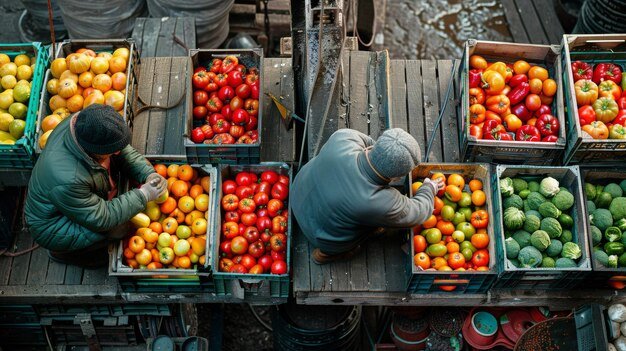
Exports highlight competitiveness in protein and seafood; imports reveal dependence on edible oils
India’s quick estimates for February 2026 reveal a trade landscape marked by sharp contrasts, with exports of coffee, marine products, and meat registering strong gains, while traditional strengths such as spices and oilseeds weakened. On the import side, vegetable oils and fresh produce rose significantly, even as pulses and cotton contracted. The data underscores India’s evolving role in global agri-trade, balancing domestic priorities with international competitiveness.
Exports in February highlighted India’s growing strength in high-value segments. Coffee shipments surged to $235.74 million, a 32 percent increase year-on-year, with cumulative growth of 20 percent to $1856.48 million. Marine products rose 13 percent to $578.13 million, while meat, dairy, and poultry exports climbed 23 percent to $552.36 million, with cumulative growth of nearly 25 percent.
These gains underscore India’s expanding footprint in protein and seafood markets. At the same time, tea exports dipped 6 percent to $69.78 million, though cumulative shipments rose 11 percent. Rice remained steady at $1201.55 million, while other cereals posted a remarkable 170 percent jump, reflecting diversification in India’s grain basket. Spices fell 19 percent to $348.76 million, and oil meals and oilseeds dropped more than 30 percent, highlighting demand pressures in global markets.
Imports presented a different narrative. Vegetable oil imports rose sharply to $1604.95 million in February, a 33 percent increase year-on-year, with cumulative imports up 11 percent to $17963.51 million, underscoring India’s dependence on edible oils. Fruits and vegetables imports climbed 30 percent to $340.53 million, with cumulative growth of 18 percent, reflecting rising consumer demand for diverse produce.
By contrast, pulses imports fell 38 percent to $303.93 million, with cumulative imports down 36 percent to $3230.10 million, in line with India’s policy push for self-reliance in pulse production. Cotton raw and waste imports dropped 59 percent in February to $40.50 million, though cumulative imports surged 61 percent to $1833.76 million, pointing to volatility in textile sector demand.
The February trade snapshot highlights India’s dual narrative: resilience in exports of coffee, marine products, and meat, alongside recalibration in imports of pulses and cotton. Rising vegetable oil and fresh produce imports underscore consumer demand and global integration, while declines in spices and oilseeds point to shifting demand dynamics. India’s trade basket is being reshaped to balance domestic priorities with global competitiveness. The overarching signal is one of strategic stability — New Delhi is anchoring commodity flows with foresight, positioning India as both a stabilizer and a strategic partner in global food and agri-trade markets.