Friday, 3 July 2026

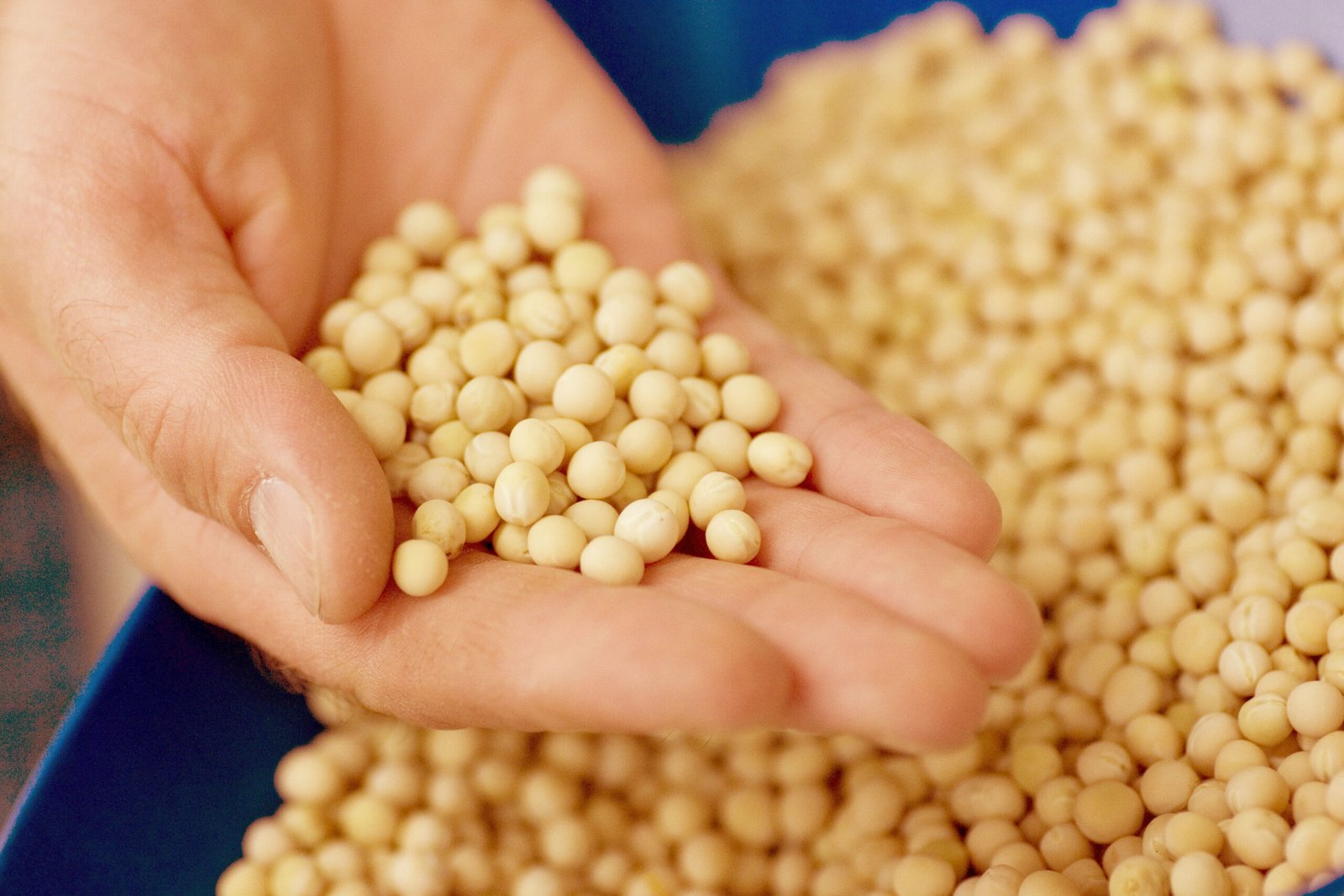
Policy underscores a delicate balancing act between farmer protection, global trade integration, and protein security
The Government of India, through the Ministry of Commerce & Industry, has announced the extension of the import period for yellow peas (ITC HS Code 07131010) until March 31, 2027. Issued under Notification No. 10/2025-26, this move ensures continuity in the country’s import framework for one of the most widely consumed pulses, reaffirming India’s role as a pragmatic and resilient player in global agri-trade.
Key Highlights
The import of yellow peas will continue to be classified as “Free”, without the Minimum Import Price (MIP) condition and without port restrictions. Imports remain subject to registration under the online Import Monitoring System, ensuring transparency and oversight. The policy applies to all consignments where the Bill of Lading is issued on or before March 31, 2027. This extension builds on a series of prior notifications, carrying forward the liberalized import regime that was set to expire on March 31, 2026.
“Import of Yellow Peas under ITC (HS) Code 07131010 is ‘Free’ without the MIP condition and without Port Restriction, subject to registration under online Import Monitoring System… for all import consignments where Bill of Lading is issued on or before 31st March 2027.” — Notification No. 10/2025-26
Strategic Trade Signal from New Delhi
India’s latest extension on yellow pea imports is more than a bureaucratic adjustment — it is a calculated signal of stability and foresight. At a time when global markets are wrestling with inflationary pressures and fractured supply chains, New Delhi is deliberately positioning itself as a predictable anchor in agri-trade. By removing barriers such as Minimum Import Price (MIP) and port restrictions, the government demonstrates confidence in its monitoring mechanisms and a willingness to integrate seamlessly with international supply networks.
This policy move dovetails with India’s broader narrative of resilient logistics, inclusive trade, and pragmatic foresight. It underscores the country’s dual commitment: protecting consumer affordability while sustaining farmer interests through calibrated policy design. For multinational agribusinesses, the message is unmistakable — India is not merely a vast consumption market, but a policy-driven partner shaping the architecture of global food flows.