Wednesday, 1 July 2026

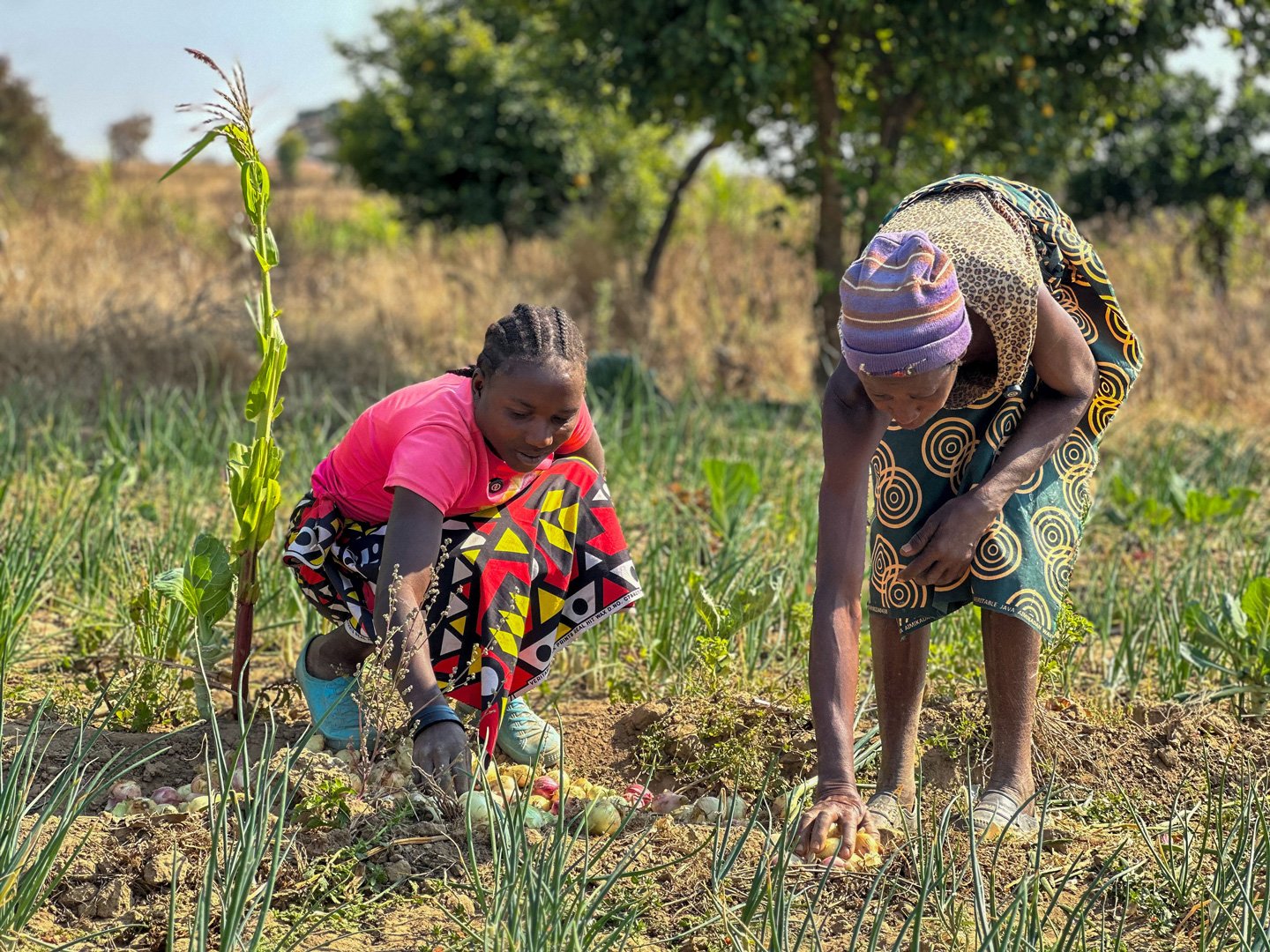
Photo courtesy: FAO/Samuel Creppy
Water reservoir constructed in southern Angola means better harvests, options and resilience for farmers
Rita’s mornings used to start with a three-kilometre walk to fetch water. With crops to tend and children to feed, every hour and every bucket mattered. For years, lack of water meant uncertainty for Rita, where crops would perish due to drought or insufficient irrigation.
It was a dam that restored balance to her day and to her community’s food security.
The Food and Agriculture Organization of the United Nations (FAO), together with the government of Angola and funding from the European Union, constructed a dam that has created a water reservoir for the community, a lifeline for farmers and pastoralists alike.
The construction of the dam is part of a broader, integrated water resilience strategy led by FAO through the FRESAN (Strengthening Resilience and Food and Nutrition Security in Angola) programme in southern Angola.
“Through this project we can plant in every season now,” she says, explaining how year-round irrigation lets her mix staples, like wheat, with vegetables for home meals. She also has a surplus to sell. In the afternoons, she carries baskets of onions and tomatoes to the local market, where steady sales help cover school fees and other necessities.
At home, her children water the crops and join her in trying out new practices learned through FAO’s Farmer Field Schools (FFS). Her eldest takes notes on the techniques learned in the sessions and they then apply them together.
The long-term vision for the Banda Chibia dam is to generate hydro power for the communities while providing water for households and irrigation.
The dam now provides reliable water access to more than 5 000 people and irrigates approximately 750 hectares of land.
As Rita’s daughter, Ana, also a local farmer, remarked, “The dam has given us more than just water, it has given us time, health and opportunity to grow more diversified crops. We are now economically empowered as we sell some of the vegetables we grow here in the local market.”
Beyond water, knowledge is expanding
Similar dams integrated with Farmer Field School approaches have been built to support off-season horticulture, enabling farmers to grow high-value crops such as tomatoes, onions and lettuce throughout the year.
Trained by FAO, the Agrarian Development Institute provided farmer field schools where extension and community facilitators assisted farmers in testing climate-smart options such as mulching, crop diversification and efficient irrigation, enabling them to make collaborative decisions in their fields.
To date, 7 078 farmers, the majority of whom are women, have been trained through the Farmer Field Schools under FRESAN.
For families like Rita’s, the combination of infrastructure and learned skills is the difference between coping and planning. Reliable water has unlocked dry-season horticulture, such as onions, tomatoes, leafy vegetables, and offered steadier income. Practical training has improved soil care and water use, reduced losses and strengthened nutrition at home.
For Rita and numerous other farmers in Banda Chibia, easier access to water thanks to the dam means children spending more time at school and parents spending more time tending to their fields.
With larger harvests and healthier meals, communities are standing taller and more prepared for the next dry season.
This story is part of a series celebrating women farmers worldwide, from producers, fishers, and pastoralists to traders, agricultural scientists, and rural entrepreneurs. The International Year of the Woman Farmer 2026 recognises their essential contributions to food security, economic prosperity, and improved nutrition and livelihoods, despite heavier workloads, precarious working conditions, and unequal access to resources. It calls for collective action and investment to empower women, in all their diversity, and to build a fairer, more inclusive, and sustainable agrifood system for all.
To read the full story click: https://www.fao.org/newsroom/story/where-there-is-water-theres-a-way/en