Friday, 3 July 2026

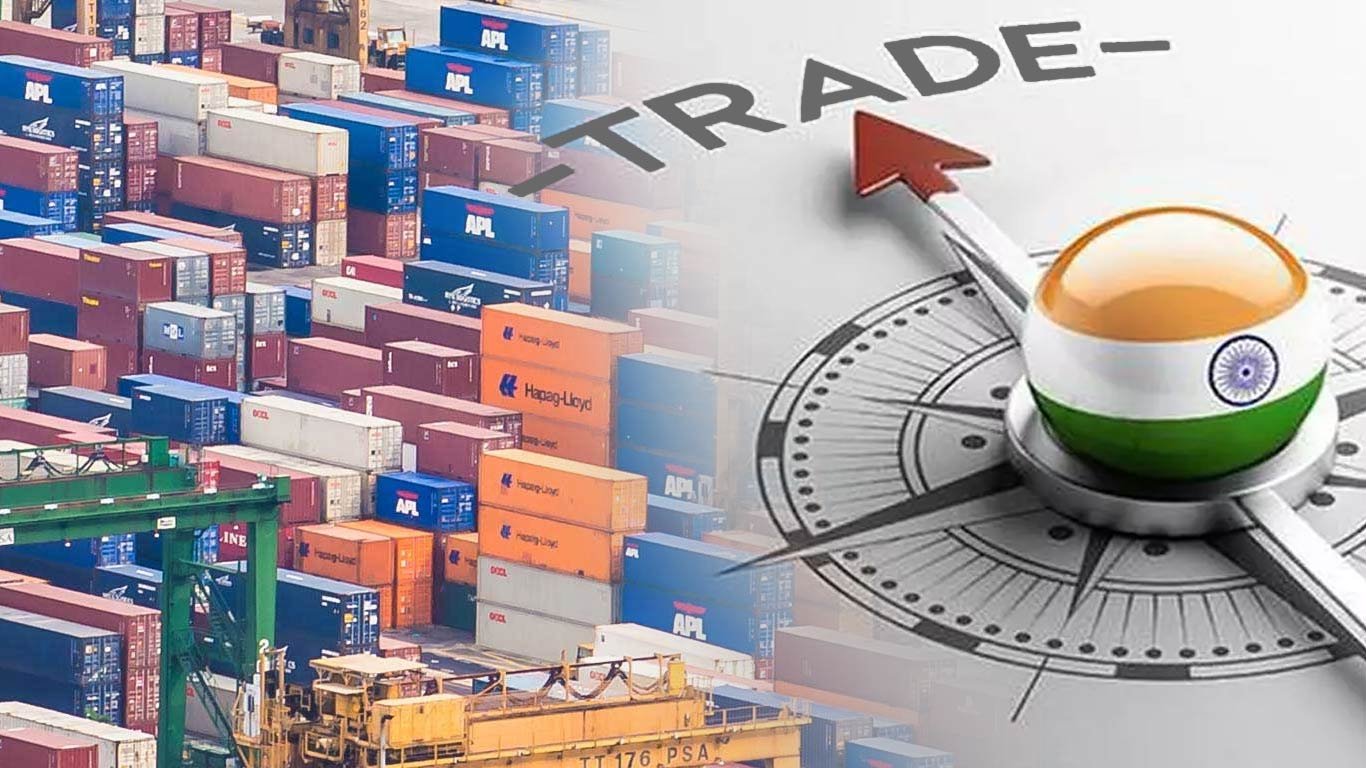
Lower tariffs revive shrimp and rice exports as agriculture re-emerges as a growth driver
India and the United States have put agriculture back at the center of their bilateral trade relationship, with a new interim trade framework sharply reducing tariffs and reopening market access for key farm and allied products.
Under the agreement, Indian exports to the U.S. will now face an 18 per cent tariff, down from the earlier 50 per cent levy that had weighed heavily on shipments of seafood, rice, fruits, and processed foods since mid-2025. Exporters say the rollback restores price competitiveness for Indian farm goods that had struggled to hold shelf space in the U.S. market.
Seafood—particularly frozen shrimp—is expected to see the fastest rebound. The U.S. is India’s largest seafood market, accounting for more than a third of marine exports. Shipments had declined sharply after cumulative duties touched nearly 60 per cent, leaving India at a disadvantage versus rivals such as Ecuador. Industry executives say the lower tariff could help stabilise volumes and revive farmgate prices in coastal states.
Rice exports are also poised to benefit. The U.S. remains a key destination for Indian basmati rice, with shipments rising in recent months despite tariff headwinds. Spices, honey, dairy products, and processed foods are expected to see improved demand as pricing pressures ease.
In return, India will cut or eliminate duties on a wide range of U.S. food and agricultural products, including dried distillers’ grains (DDGs), red sorghum for animal feed, tree nuts, fresh and processed fruits, soybean oil, wine, and spirits. Lower tariffs on DDGs are expected to reduce feed costs for India’s livestock and poultry sectors, while increasing competition for domestic feed producers.
While the deal signals momentum, dairy and shrimp remain sensitive areas, with both sides acknowledging that non-tariff barriers—such as sanitary and phytosanitary standards—will require further negotiation.
Agriculture and allied activities account for over 46 per cent of India’s workforce and are projected to contribute 15.6 per cent of national income in FY26, underscoring the political and economic stakes. For now, the interim deal marks a clear shift: farm trade is once again a pillar of the India–U.S. economic partnership, not a bargaining chip.