Friday, 3 July 2026

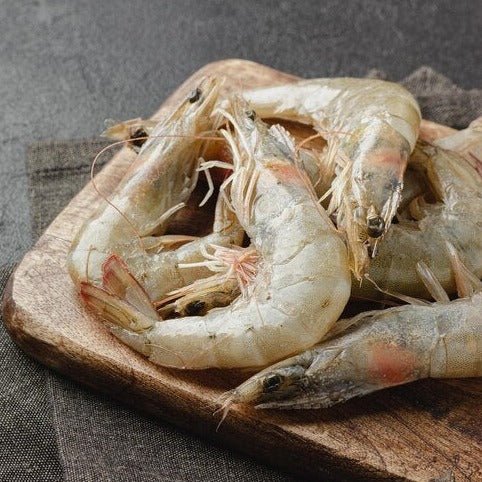
U.S. regulators are intensifying scrutiny of imported shrimp after new data showed a continued rise in shipments rejected for banned antibiotics, with Indonesian producers emerging as a major focal point in early 2026.
The U.S. Food and Drug Administration (FDA) reported 121 seafood entry line refusals in January, of which 11—about 9.1 per cent—involved shrimp contaminated with prohibited veterinary drugs, including nitrofurans. The figures extend a three-year upward trend in shrimp import rejections tied to antibiotic residues, underscoring persistent compliance challenges in global aquaculture supply chains.
Indonesia at the Center of Enforcement Actions
Of the 11 shrimp-related refusals, seven involved shipments from Indonesia, a notable escalation when viewed against historical data. Between 2016 and 2024, the FDA refused a total of just eight Indonesian shrimp entry lines for veterinary drug residues. January 2026 alone nearly matched that nine-year total.
“These refusals signal a clear shift in enforcement intensity and raise fresh concerns about antibiotic use in parts of the Indonesian shrimp aquaculture sector,” industry analysts say.
BAP-Certified Exporters Not Immune
The FDA attributed the January refusals to shipments from exporters in Indonesia, Vietnam, Hong Kong, and China, including three companies holding Best Aquaculture Practices (BAP) certifications—highlighting that certification does not guarantee immunity from regulatory action.
Among the most heavily cited firms was PT. Tamron Akuatik Produk Industri of Indonesia, a four-star BAP-certified processor. The company, which was added to Import Alert 16-129 in August 2025 for nitrofuran contamination, accounted for seven separate entry line refusals in January alone. The rejected shipments included both raw and breaded shrimp and were flagged across multiple FDA import divisions nationwide.
Vietnamese exporters also faced enforcement actions. Gallant Dachan Seafood Co., Ltd., a three-star BAP-certified processor, had two entry lines refused for nitrofuran contamination, while Seavina Joint Stock Company, a four-star BAP processor, had one shipment rejected for similar violations. Neither company is currently listed on FDA import alerts related to unapproved drugs.
In China, Hoptai Marine Products Company Limited saw one shrimp shipment refused for veterinary drug residues. The company is not on the FDA’s “green list” under Import Alert 16-131.
Broader Compliance Signals
In a separate action, the FDA’s Division of West Coast Imports rejected a shipment of Vietnamese shrimp produced by Fimex VN on January 6 for “added bulk” following sampling, adding to concerns about product integrity alongside drug residues.
Implications for the Global Shrimp Trade
The January data reinforces growing regulatory pressure on shrimp-exporting nations as U.S. authorities tighten oversight on antibiotic use and food safety compliance. For global seafood suppliers, the trend raises the stakes for traceability, testing, and on-farm controls—particularly as buyers and regulators demand higher standards across international supply chains.
As enforcement actions accelerate, industry experts warn that exporters failing to address antibiotic misuse risk not only shipment refusals but prolonged detention under FDA import alerts, with potentially significant commercial consequences.