Saturday, 27 June 2026

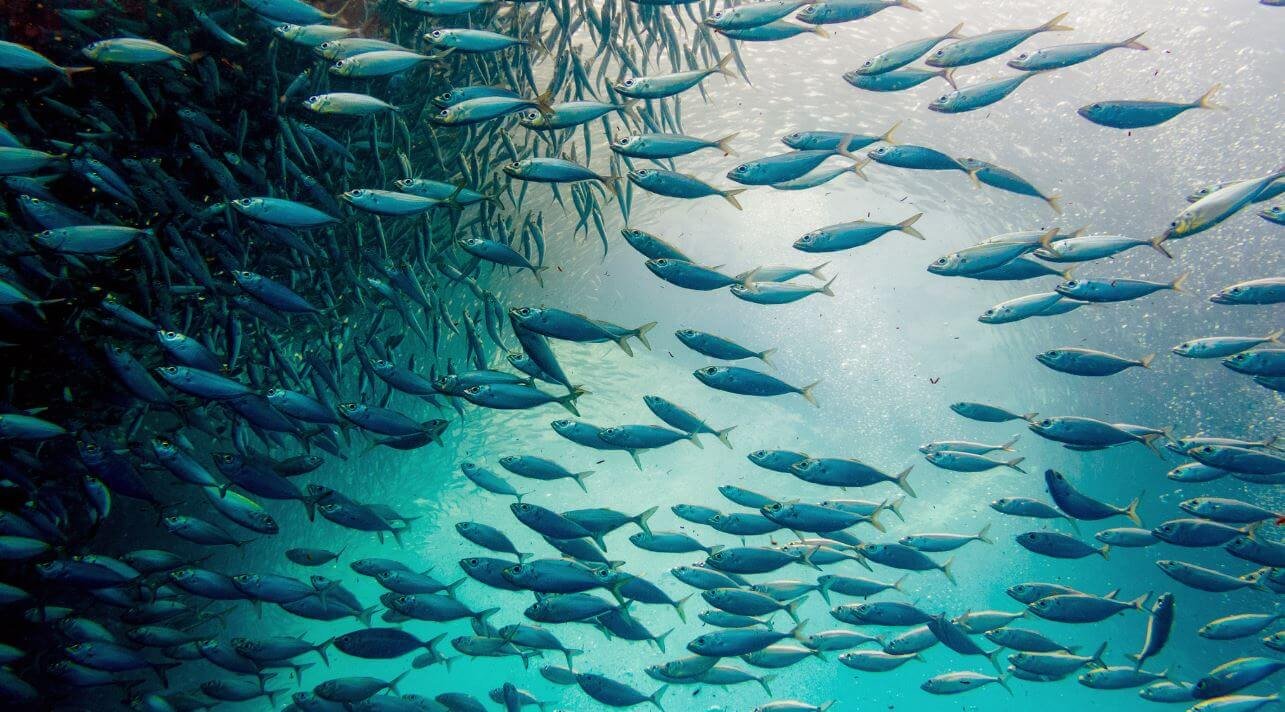
Deepens India’s agricultural transformation by extending policy focus beyond crops to water bodies, fisheries and livestock value chains.
Through the integrated development of reservoirs, strengthened coastal fisheries and targeted support for animal husbandry entrepreneurship, the Budget positions allied sectors as critical drivers of farm income stability, nutrition security and rural employment.
Reservoir Development as a Multi-Sector Asset
The Budget proposes the integrated development of 500 reservoirs, recognising them as productive economic assets rather than static water infrastructure. By combining irrigation support, inland fisheries, aquaculture, tourism and local enterprise, the initiative aims to maximise the economic value of existing water bodies.
For agriculture, healthier reservoirs enhance irrigation reliability and enable fish cultivation, creating complementary income streams for farming households. Integrated management also improves water-use efficiency and climate resilience in regions vulnerable to rainfall variability.
Strengthening Coastal and Inland Fisheries
Budget 2026 places renewed emphasis on fisheries in coastal ecosystems, focusing on sustainability, stock management and infrastructure support. Investments in landing centres, cold chains and processing facilities are expected to improve post-harvest outcomes and price realisation for fishers and fish farmers.
By linking fisheries more closely with domestic and export markets, the Budget reinforces their role as one of the fastest-growing contributors to agricultural GDP and rural employment.
Entrepreneurship in Animal Husbandry
Recognising livestock as a stabiliser of farm incomes, Budget 2026 introduces a credit-linked subsidy programme to promote entrepreneurship in the animal husbandry sector. The initiative targets small and medium enterprises engaged in dairy, poultry and allied activities, lowering entry barriers and crowding in private investment.
This is complemented by the modernisation of livestock infrastructure, including breeding facilities, feed systems, animal health services and cold-chain logistics. Together, these measures aim to shift animal husbandry from subsistence activity to organised enterprise.
Building Dairy and Poultry Value Chains
The creation and expansion of dairy and poultry value chains form a core pillar of the Budget’s rural growth strategy. By strengthening collection, processing and marketing infrastructure, the Budget seeks to improve efficiency, reduce wastage and enhance farmer participation in value-added segments.
These value chains also support nutritional security by ensuring consistent availability of milk, eggs and protein-rich foods, while generating employment across production, processing and logistics.
A Broader Vision for Farm-Led Growth
Taken together, the initiatives on reservoirs, fisheries and livestock reflect Budget 2026’s integrated approach to agriculture. By aligning water resources, allied sectors and entrepreneurship, the Budget aims to diversify income sources, reduce vulnerability to climate and price shocks, and raise overall rural productivity.
As India advances toward Viksit Bharat, the Budget underscores a central policy shift: sustainable agricultural growth will increasingly be driven by the strength of its allied sectors and the entrepreneurial capacity of rural communities.
— Suchetana Choudhury (suchetana.choudhuri@agrospectrumindia.com)