Monday, 22 June 2026

Industry sees per-hectare productivity, research-led innovation and modern inputs as the key to sustaining farmer incomes
India’s agricultural sector has shown resilience and continuity even amid economic uncertainty, but sustaining income growth for farmers will depend on how effectively the country addresses deep-rooted productivity challenges. The Economic Survey 2025–26 offers a snapshot of both progress made and constraints that persist, particularly in yield gaps, farm structure and climate-related risks.

According to Dr. R.G. Agarwal, Chairman Emeritus of Dhanuka Agritech Limited, the survey underscores agriculture’s enduring role in the Indian economy. “Indian agriculture has made steady progress in recent years, with foodgrain production remaining at high levels and agriculture continuing to support nearly half of India’s workforce while contributing close to one-fifth of the economy,” he says.
This consistency, he notes, has been supported by structural improvements such as better irrigation coverage, wider adoption of technology and increased diversification into horticulture and allied activities, all of which have helped improve resilience at the farm level.
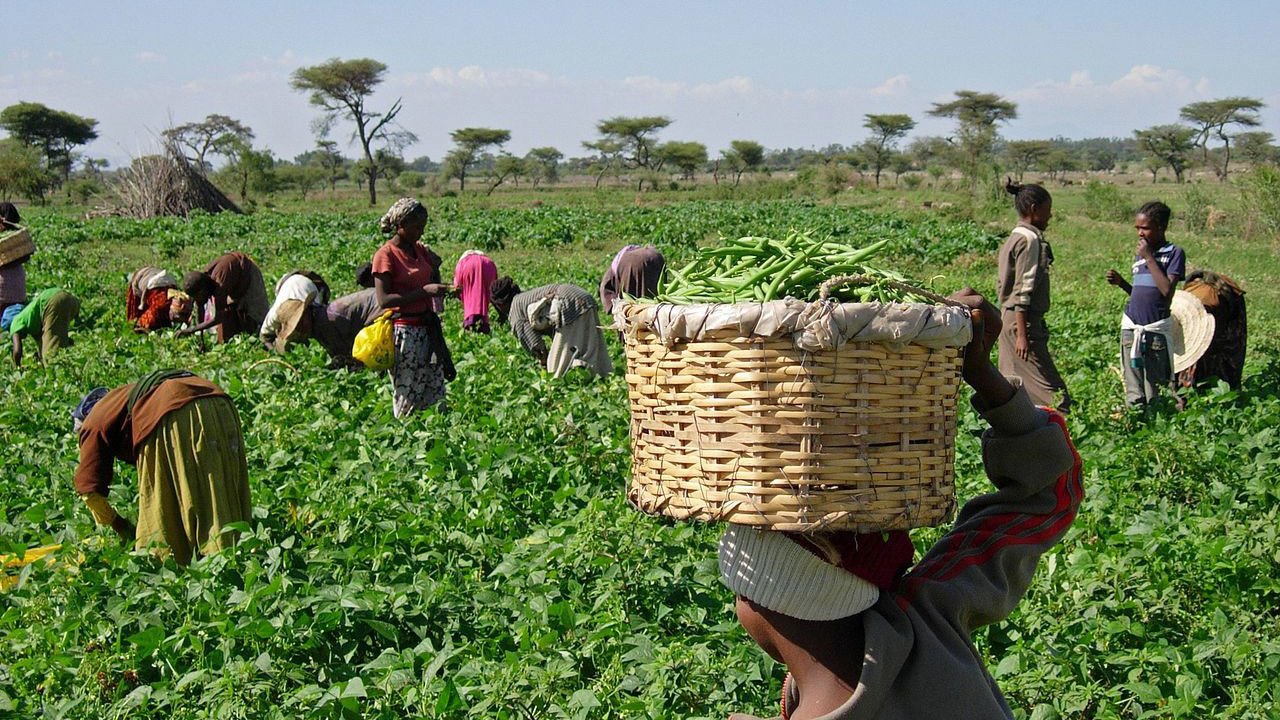
Yet the survey also flags persistent challenges that weigh on both productivity and farm incomes. Crop yields for pulses and oilseeds remain significantly below global benchmarks, limiting India’s ability to meet domestic demand efficiently and exposing farmers to price and import volatility. At the same time, landholdings continue to fragment, constraining economies of scale and making it harder for farmers to adopt advanced practices in a cost-effective manner.
Climate variability is emerging as an added layer of risk. Erratic rainfall, rising temperatures and more frequent extreme weather events are increasing production uncertainty and cost pressures across regions. For farmers operating on thin margins, these shocks can quickly erode gains made through higher output or better prices.
From an industry perspective, Dr. Agarwal argues that these trends reinforce the need to rethink how agricultural growth is pursued. “The focus must shift towards improving per-hectare productivity rather than only increasing acreage,” he says. With cultivable land under pressure, future gains will have to come from higher efficiency, better crop management and smarter use of inputs.
He emphasises the role of research-led innovation and balanced crop protection practices in bridging yield gaps without compromising sustainability. Timely adoption of modern agricultural solutions—ranging from improved formulations to precision application—will be critical to ensure that productivity gains are durable and translate into stable income growth for farmers.
As the Economic Survey makes clear, India’s agricultural trajectory is no longer just about producing more. The next phase of growth will be defined by how effectively productivity, resilience and incomes move together—turning steady output into long-term prosperity for the farm sector.
— Suchetana Choudhury (suchetana.choudhuri@agrospectrumindia.com)